
July 12/13, 2025 – Concerts in Tübingen and Ludwigsburg, Germany – premiering Randall Svane’s Piano Concerto.
This past July I traveled to Germany to perform a new Piano Concerto with the Tübingen Academic Orchestra and conductor Philipp Amelung. The Concerto was written and dedicated to me by Randy Svane, a wonderful composer I have been working with for many years now. This was my second time collaborating with the youthful and excellent orchestra, following our exhilarating performances of Brahms’ 2nd Piano Concerto in 2019.
The program started with the Svane Piano Concerto, followed by Bruckner’s 3rd Symphony.

I arrived in Stuttgart on Tuesday morning, July 8, rented a car and headed to the Airbnb in the outskirts of Tübingen. In the afternoon I met Philipp at the beautiful music building of the University in the old town. We spent some time going over the concerto.
Founded in 1477, Tübingen University is one of the oldest and most prestigious universities in the world. Its faculties in the natural sciences, theology and humanities, have made great contributions in education and research. Among its illustrious alumni, are astronomer Johannes Kepler, poet Friedrich Hölderlin (whose poems were set to music by Beethoven, Brahms, Strauss, Reger, Hindemith and others) and philosophers Friedrich Schelling and Georg Wilhelm Friedrich Hegel. The last three were roommates during their studies.
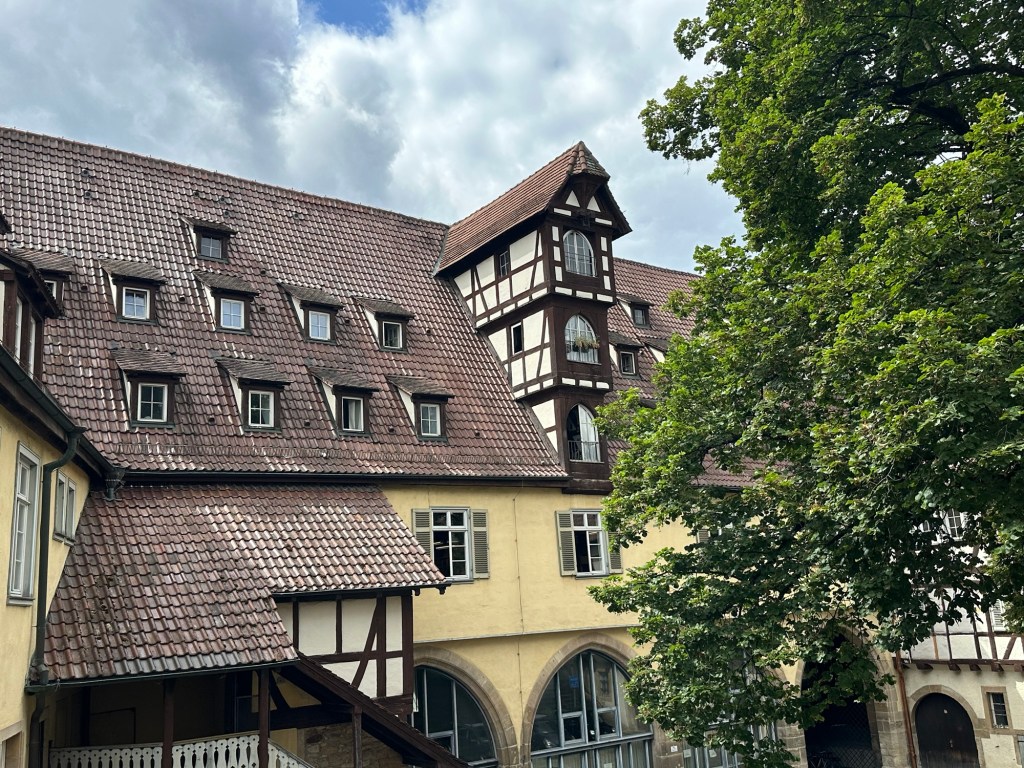
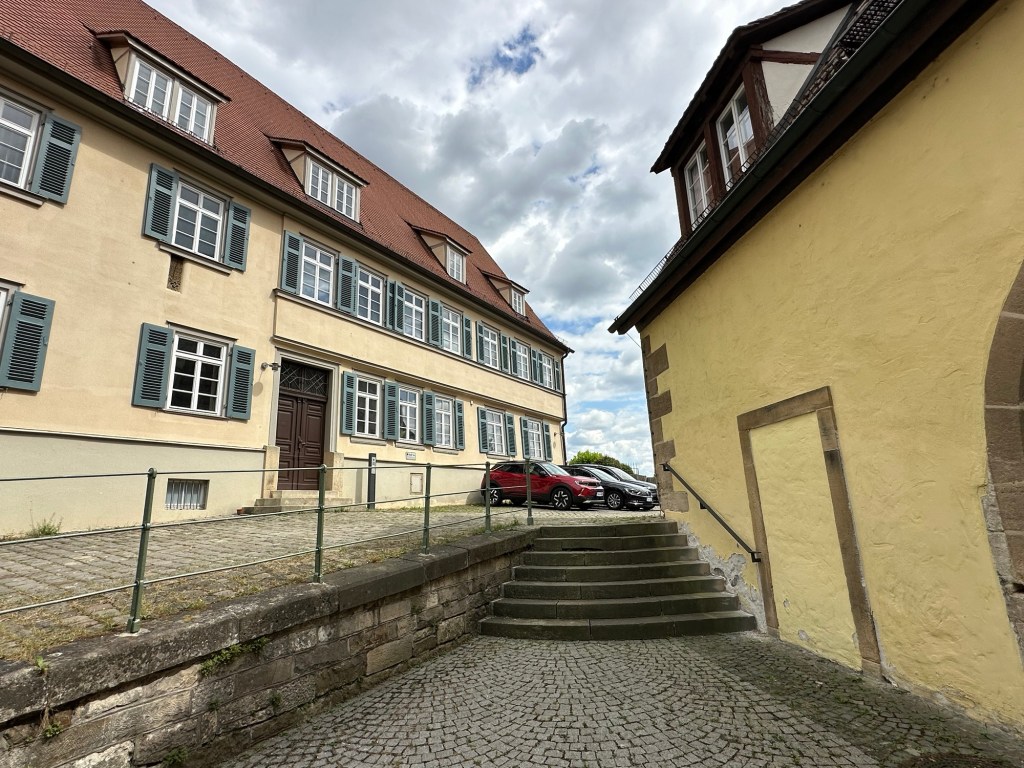
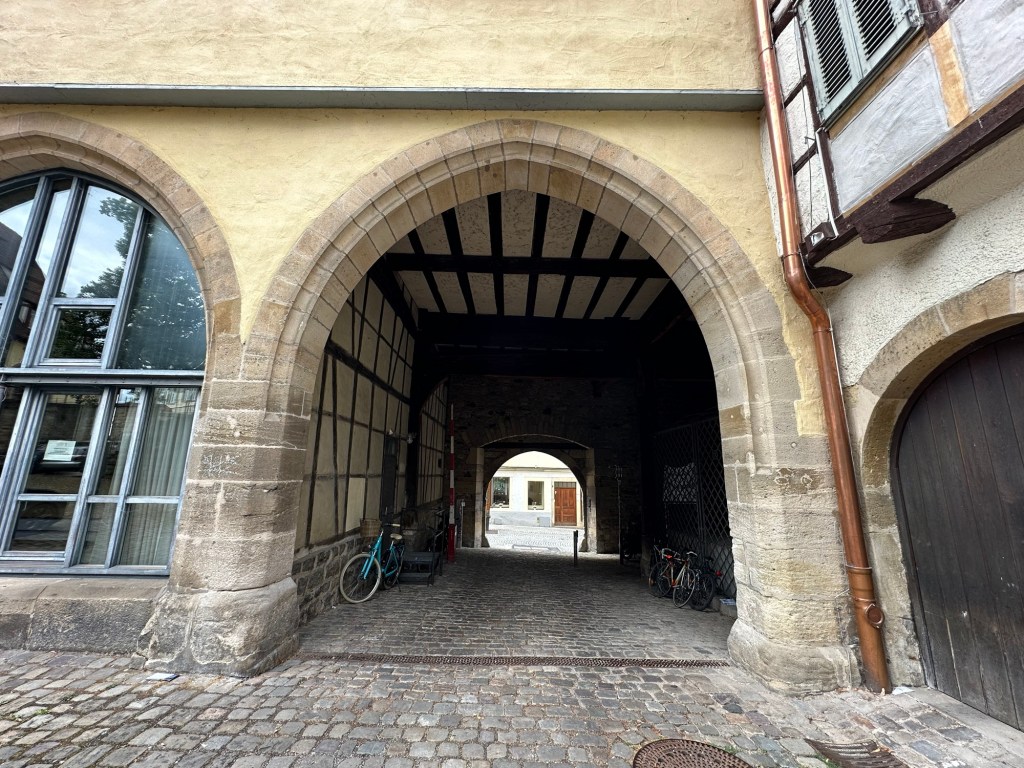
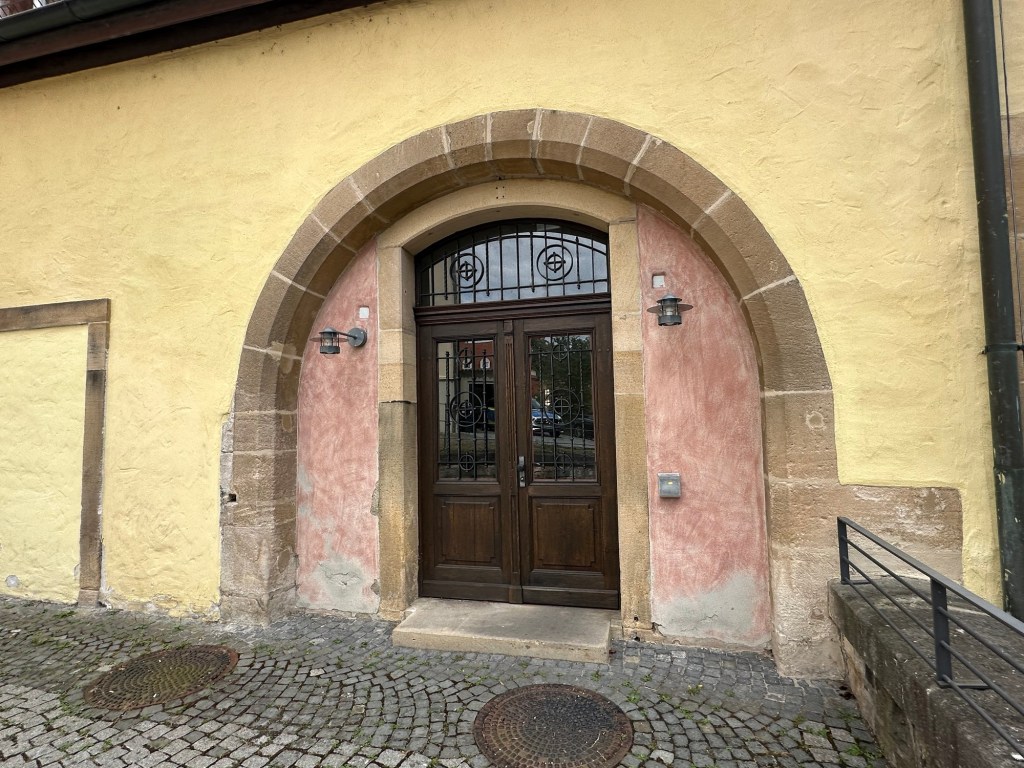
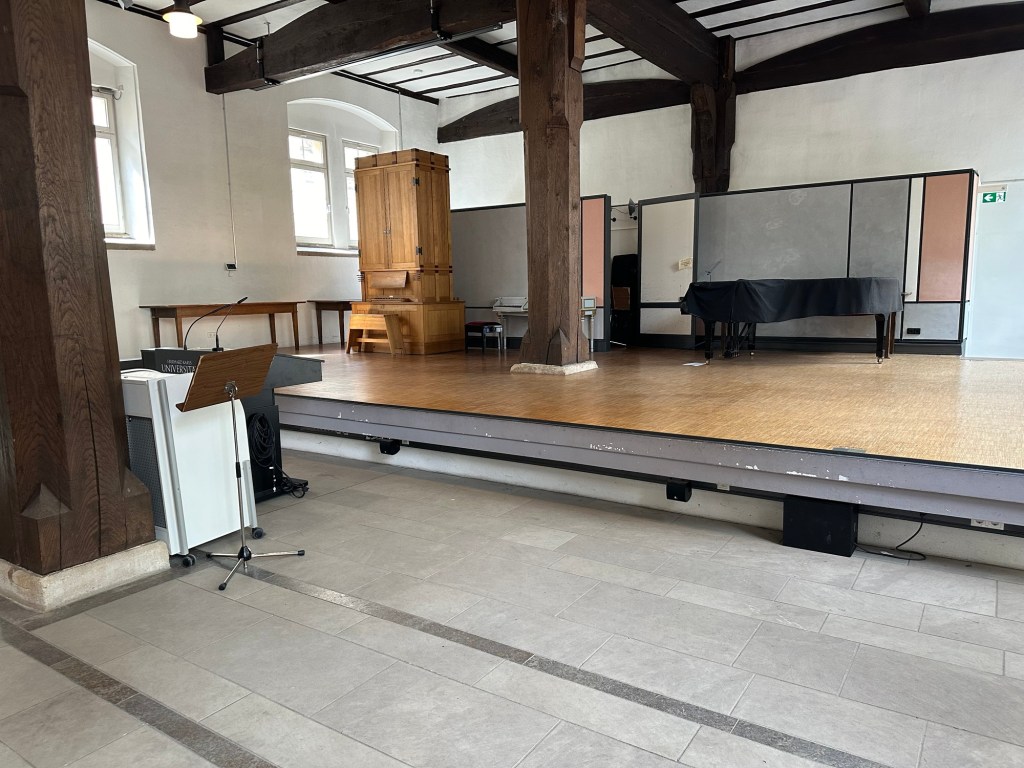
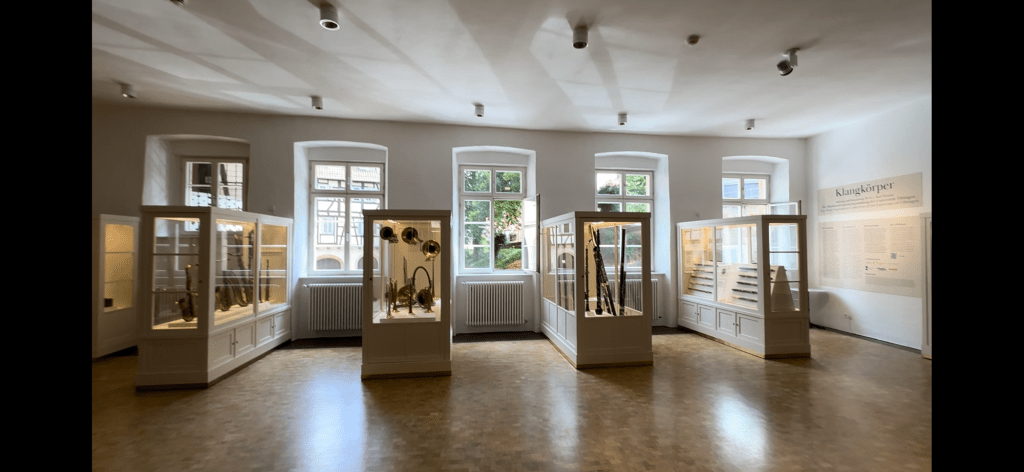
The music building dates from the 14th century and originally belonged to the nearby Bebenhausen monastery. In the 19th century, it housed the biggest winery in Tübingen (animal drawn carts entered through the huge arched doorways). Eventually, it became the music building of the University where they have classrooms, offices, a recital hall and an exhibition of historic instruments.




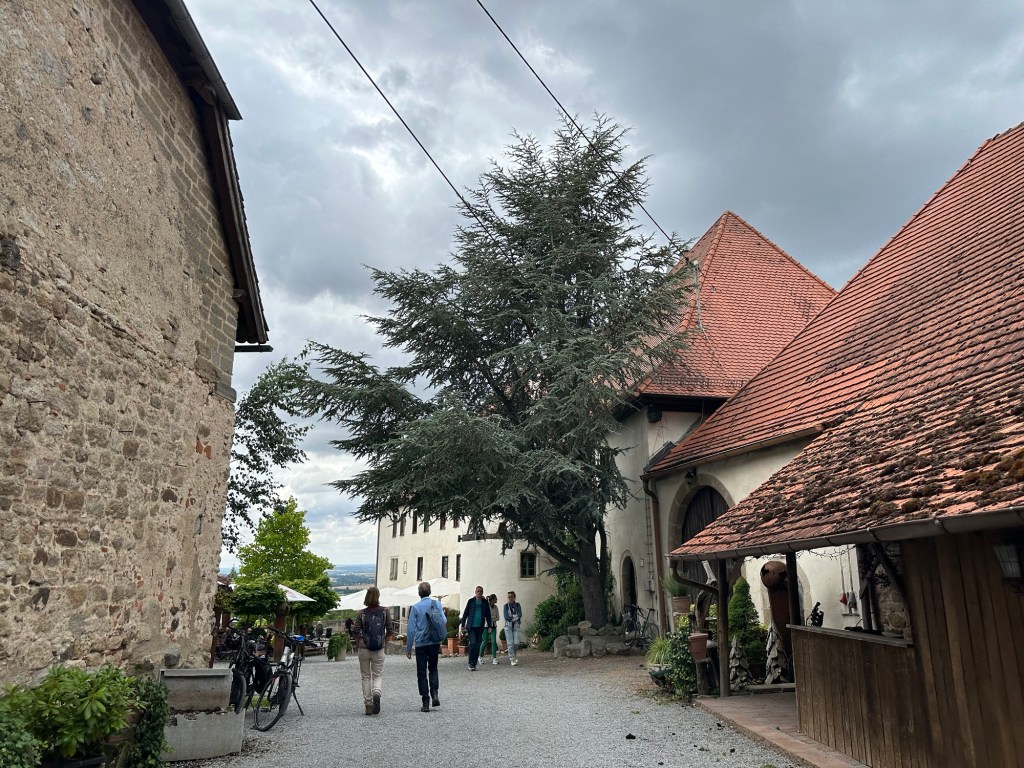
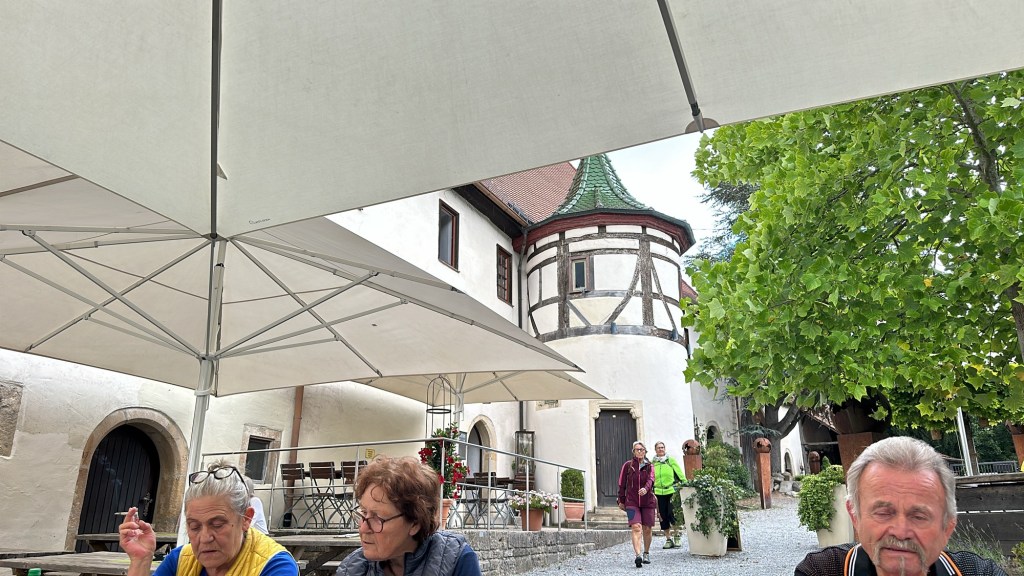
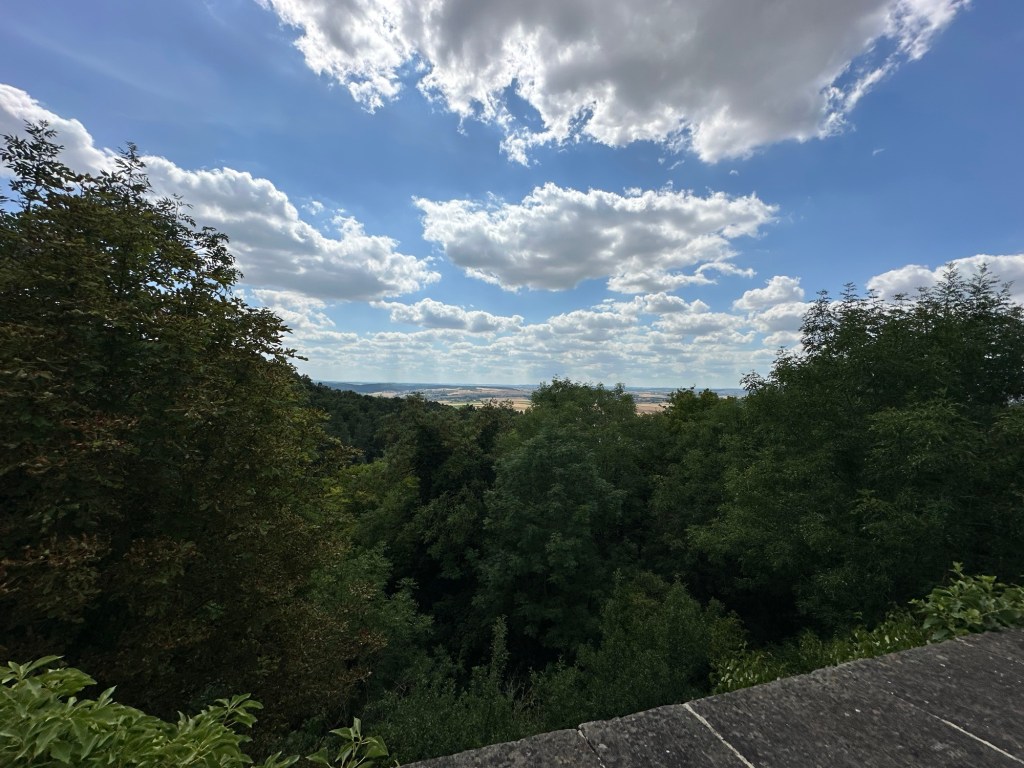
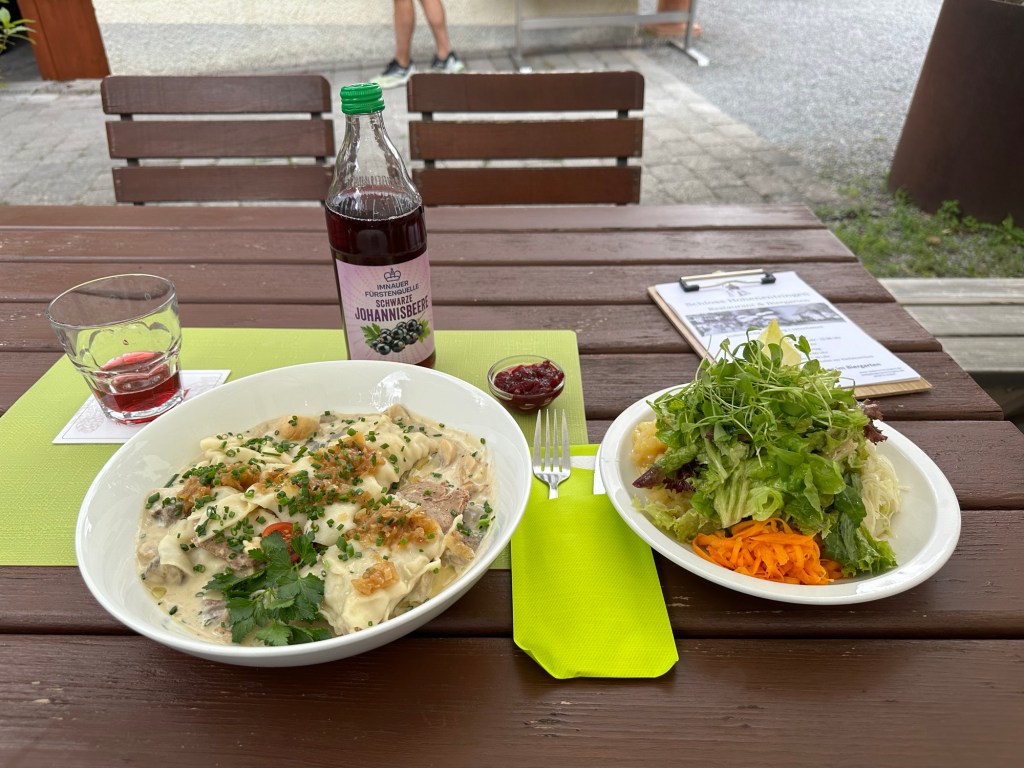
On Wednesday, I found an excellent restaurant just a few minutes drive from the Airbnb. The restaurant is located at Schloss Hohenentringen which is a 15th century castle on a hill overlooking the whole area. They serve traditional local Swabian fare there.

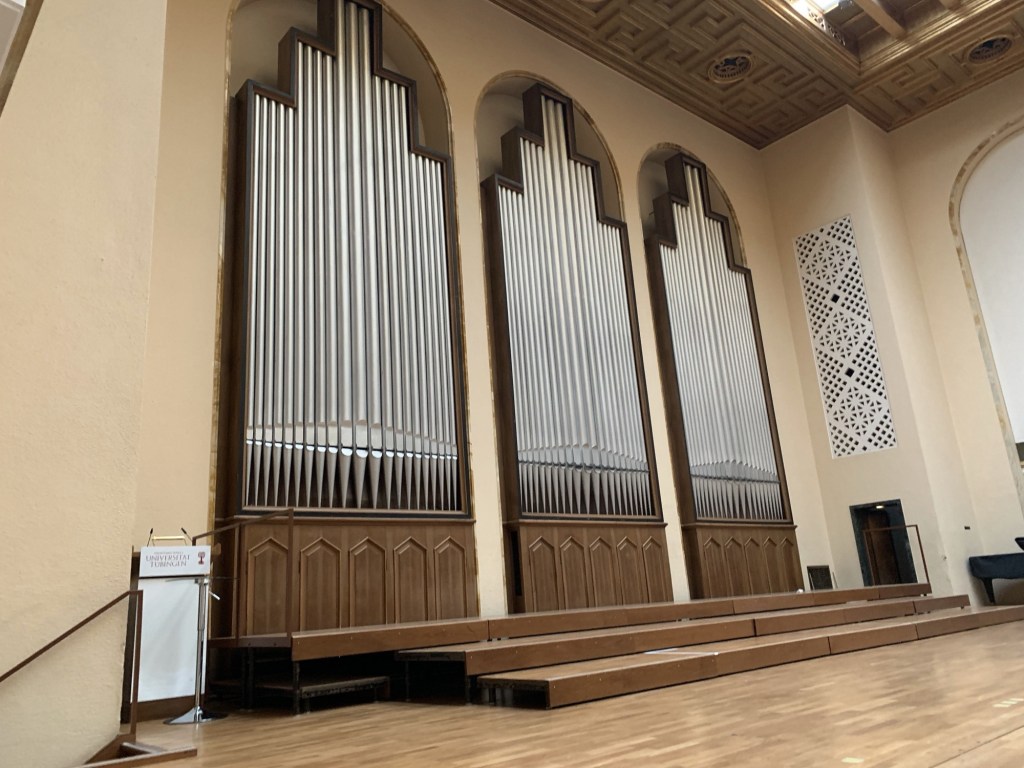
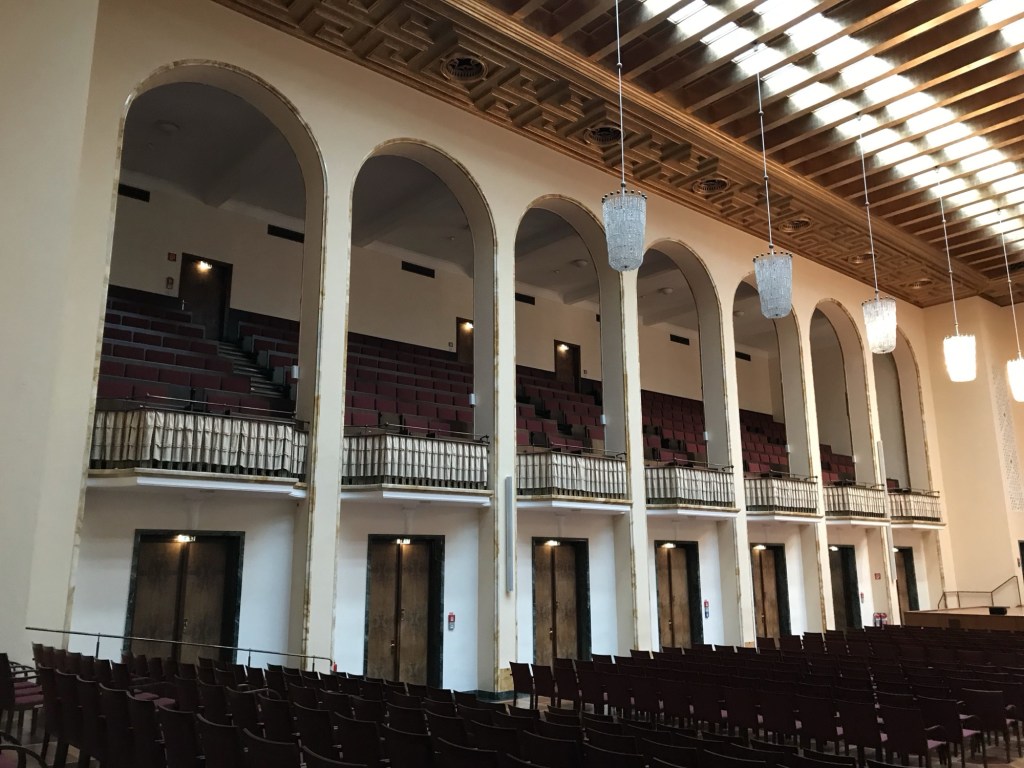
The two rehearsals with the orchestra were on Wednesday and Thursday evenings at the concert hall in the Neue Aula building.




Since this brand new piece was never played before, those rehearsals were the first time that the orchestra and the piano parts came together which was a thrilling experience for us all. By the end of Thursday’s rehearsal, we were ready for our concerts coming up that weekend.
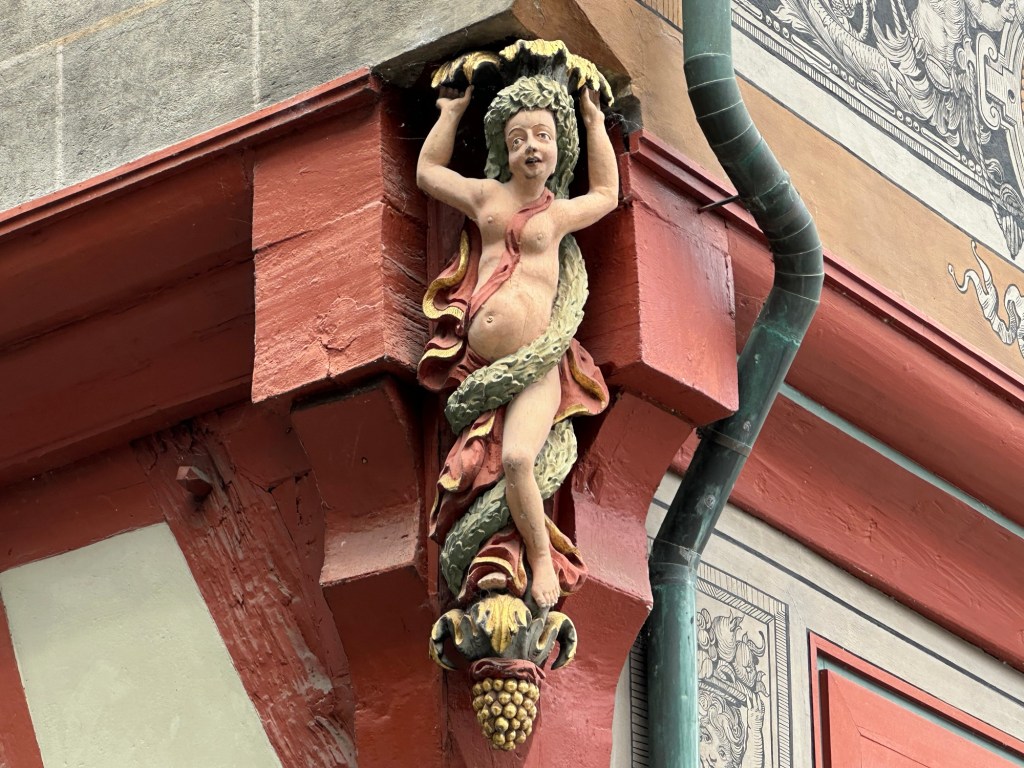
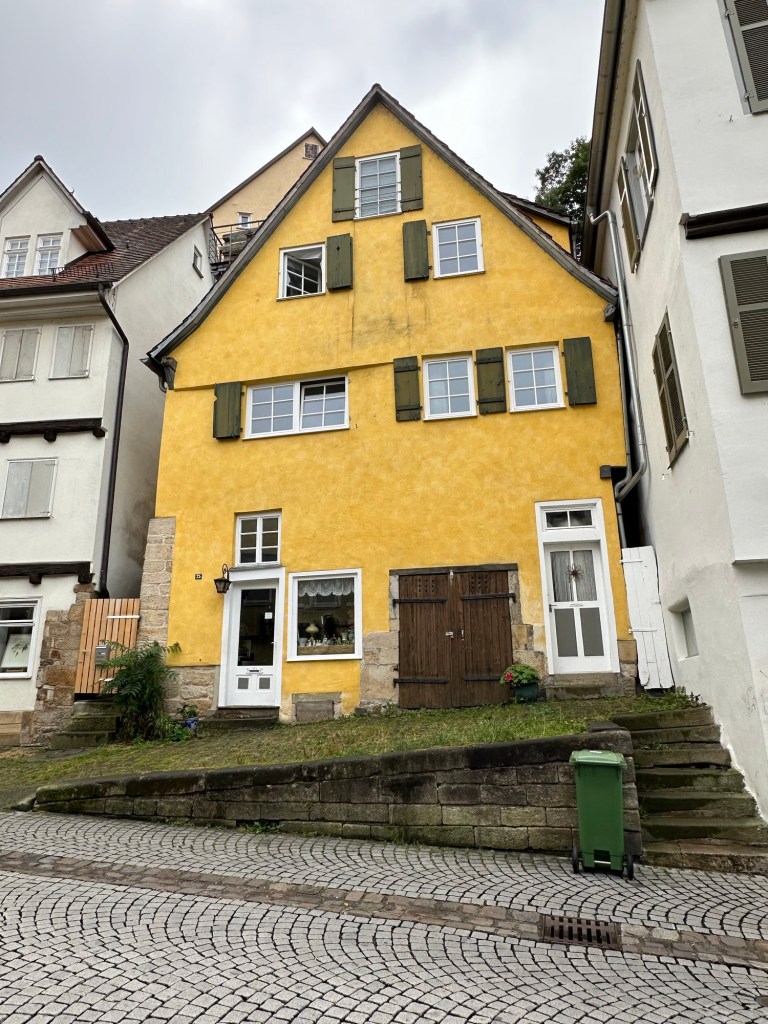
On Friday I went to downtown Tübingen to look around at the old city.


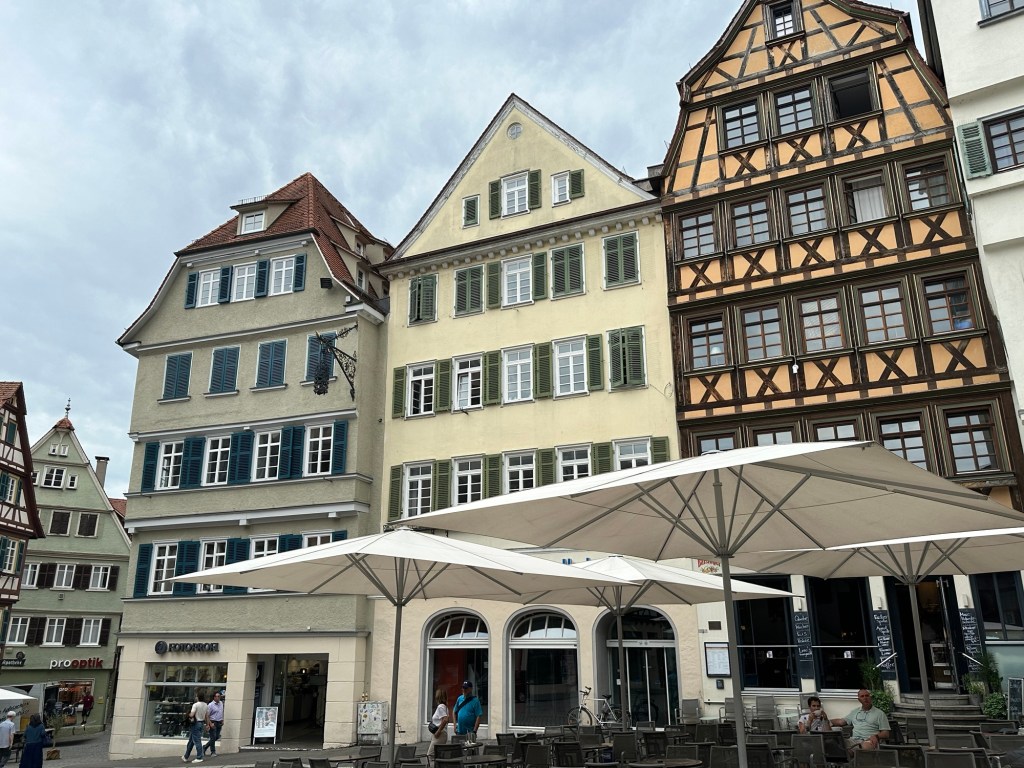

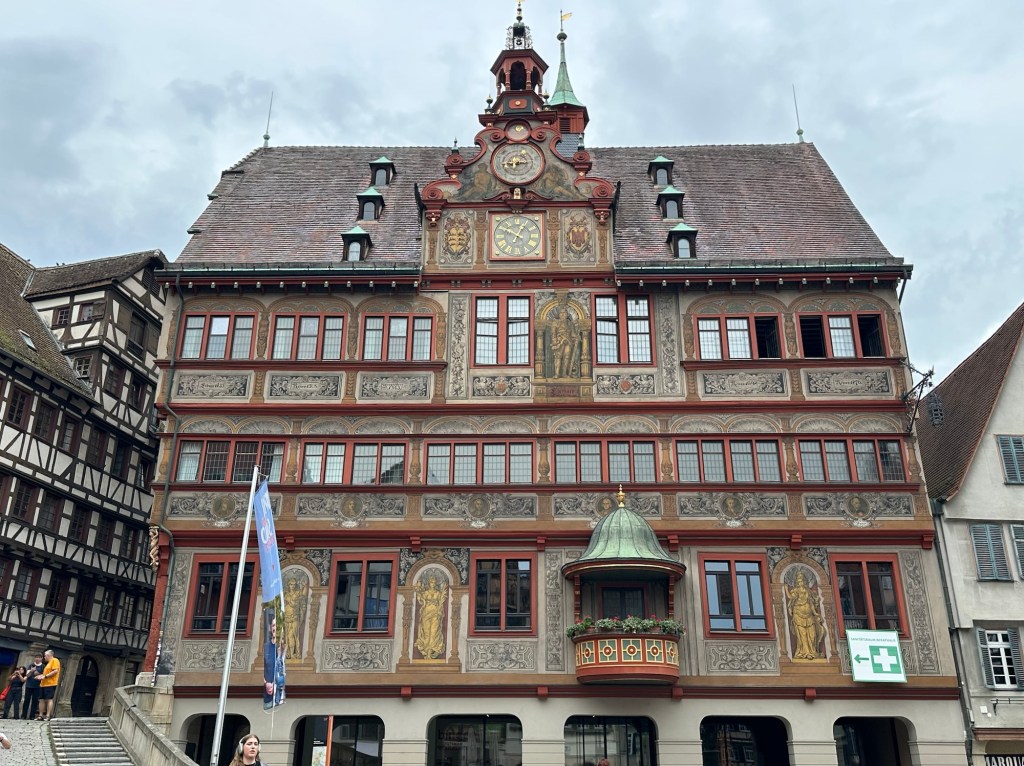



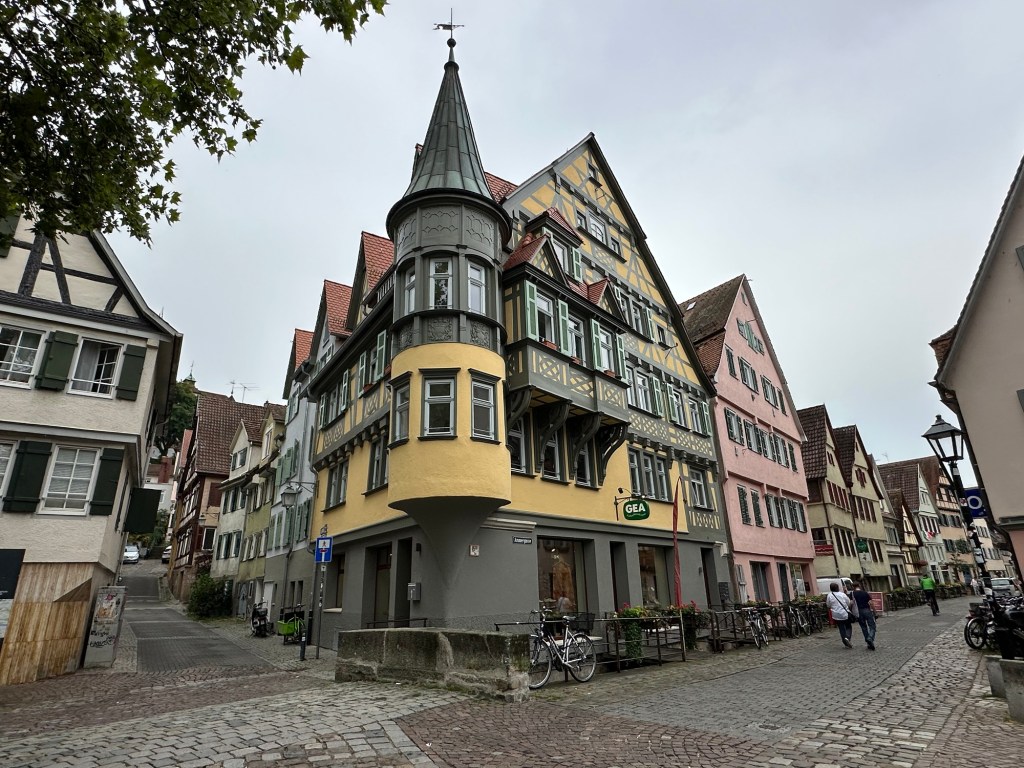

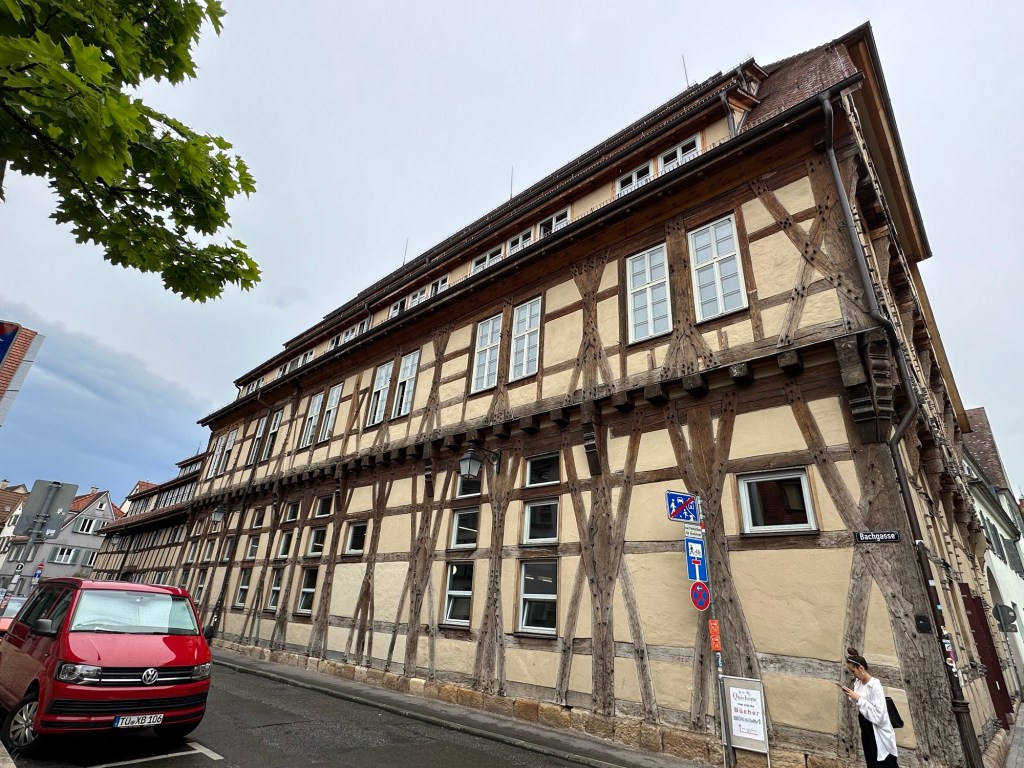
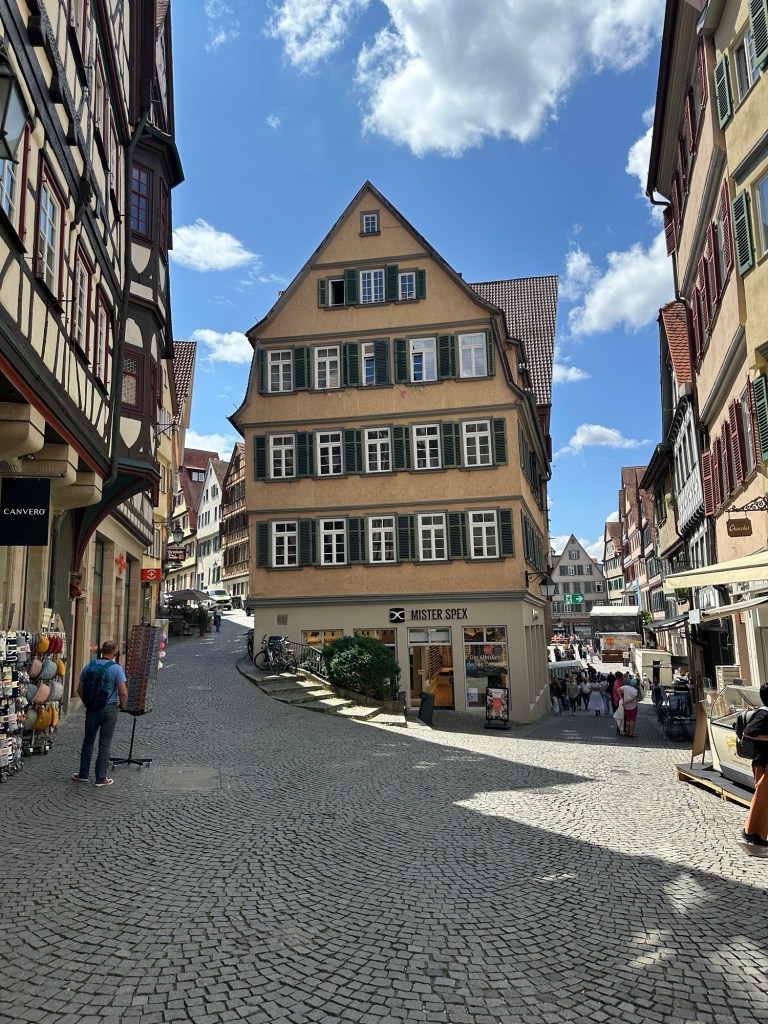
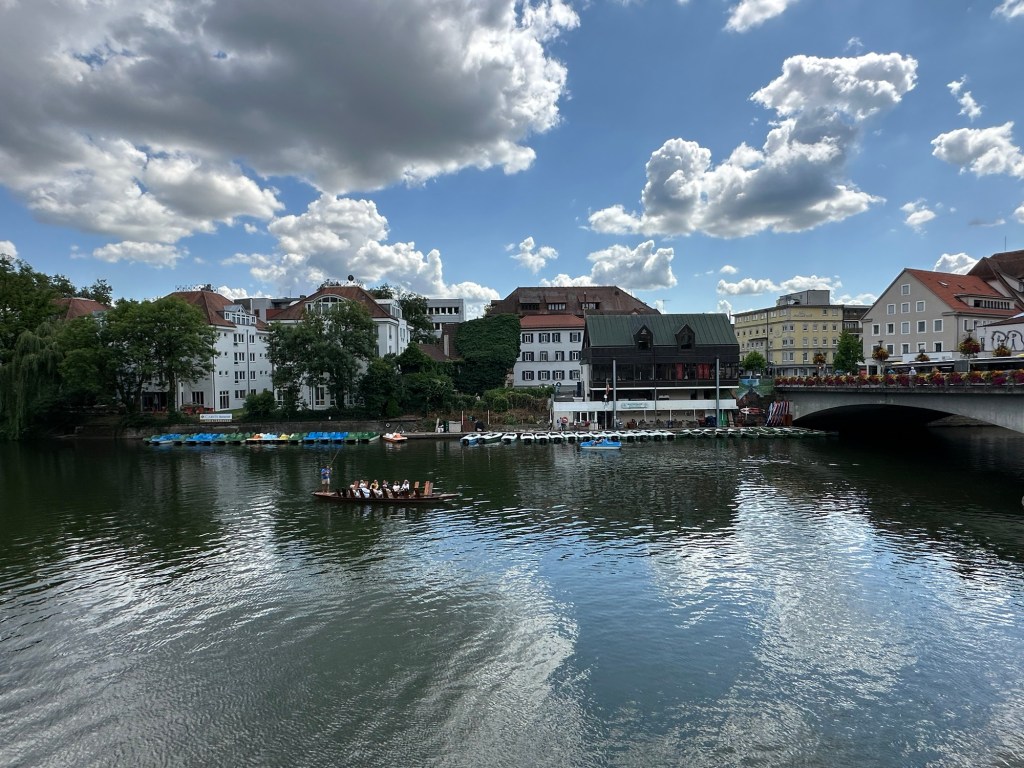
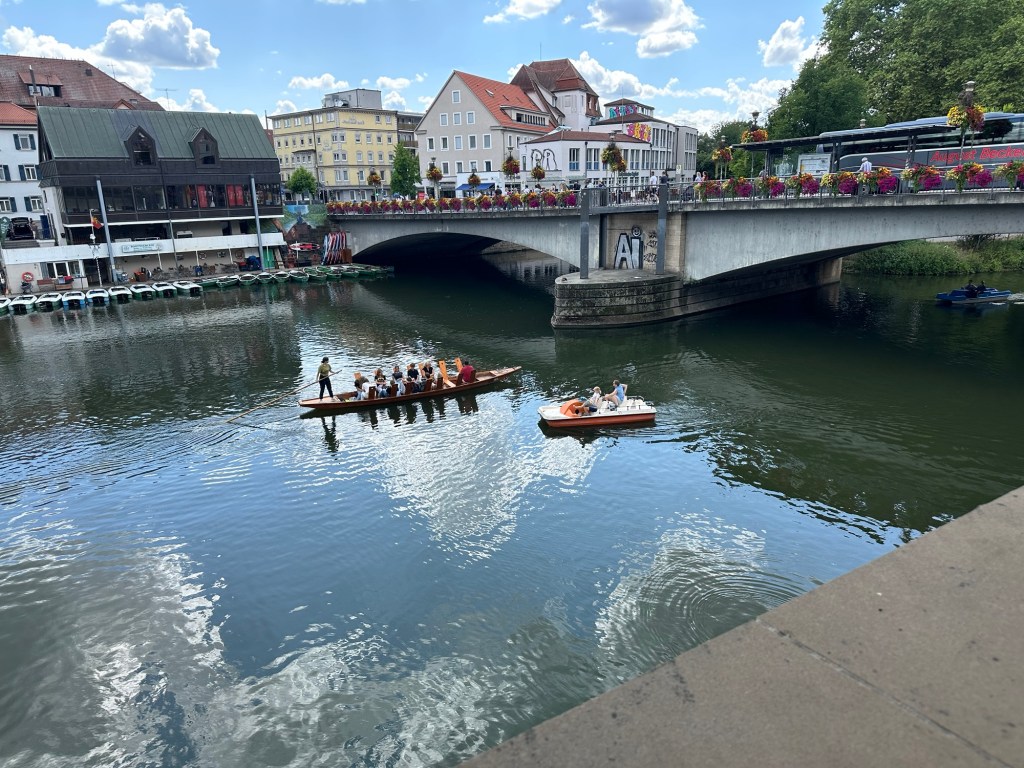
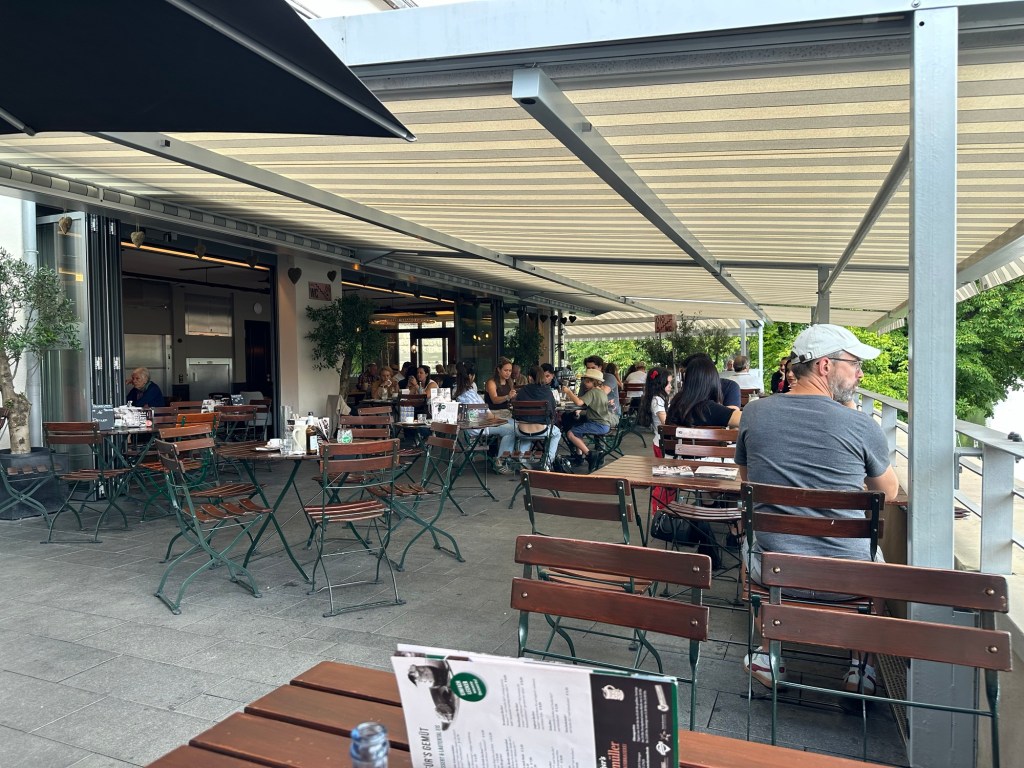
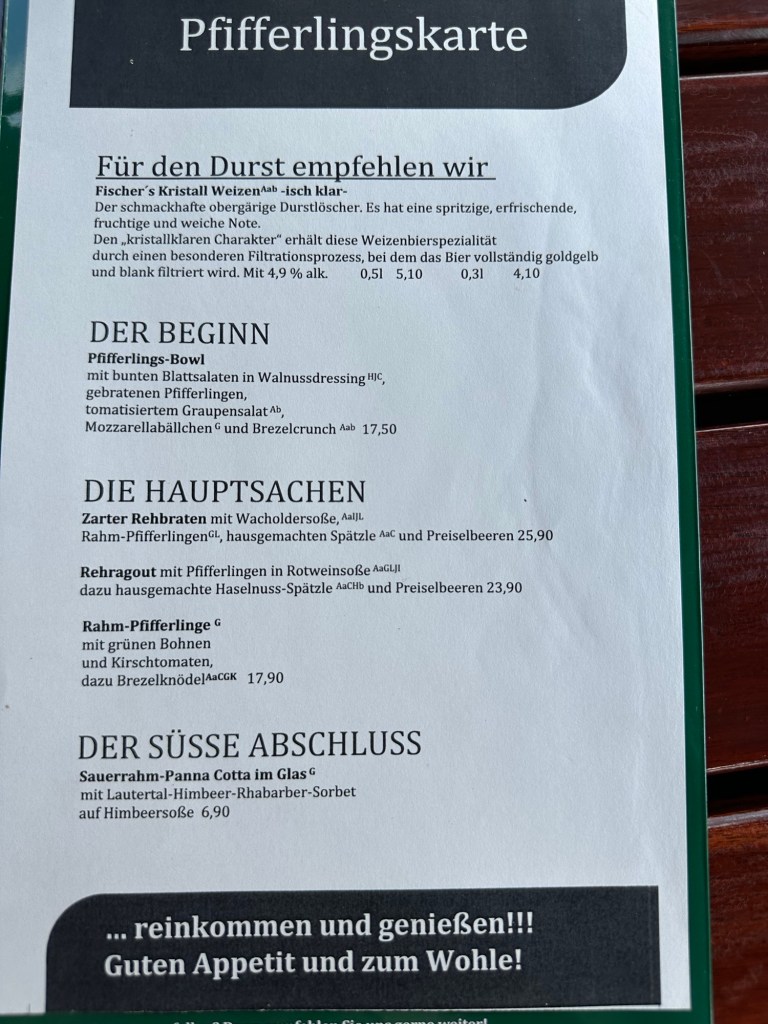
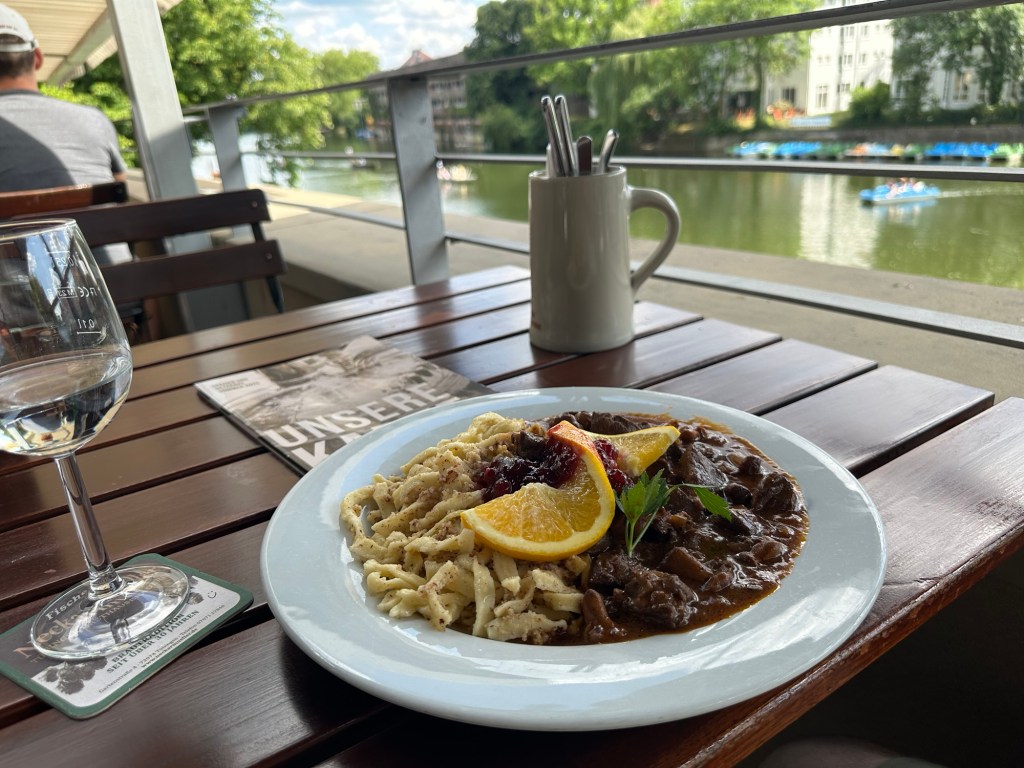
Lunch was at a well known local restaurant, Neckarmüller, right on the bank of the river Neckar which crosses the town. The views and the flavors were superb!


The first concert was on Saturday, July 12 at 7 pm. The green room of the concert hall has pictures of the incredible artists who performed there – Kempff, Michelangeli, Szeryng, Rostropovich, Fischer-Dieskau, Prey, Celibidache and others. It makes you feel simultaneously proud and humbled.


The concert was great! We got an ecstatic reception from the 600 people in the audience and we were all very happy and excited about playing the program again the following day.

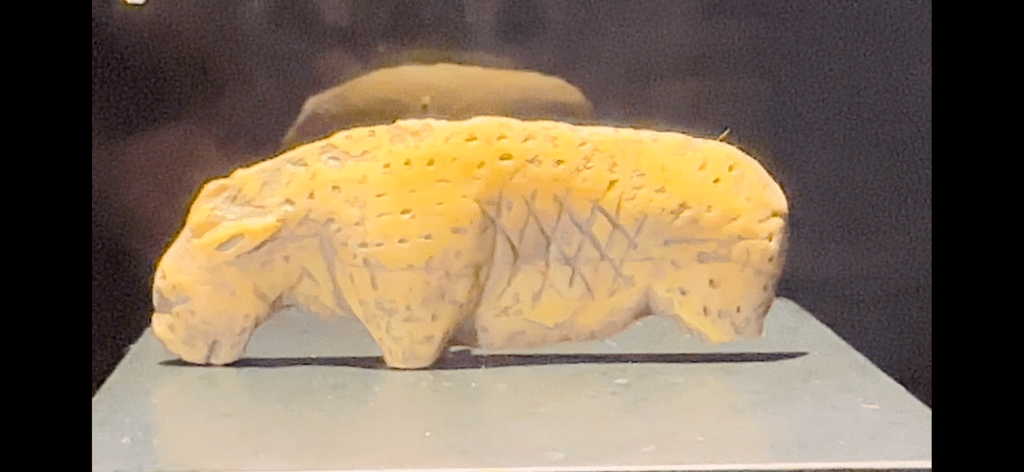
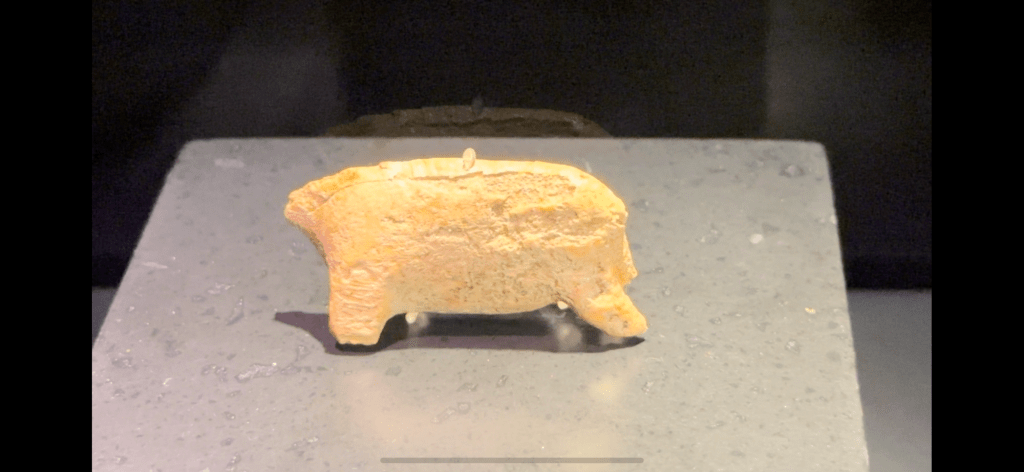
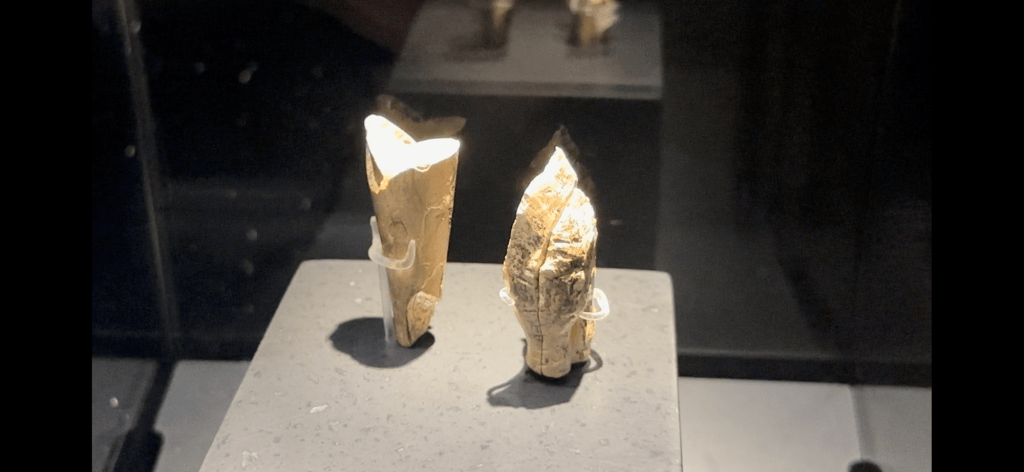
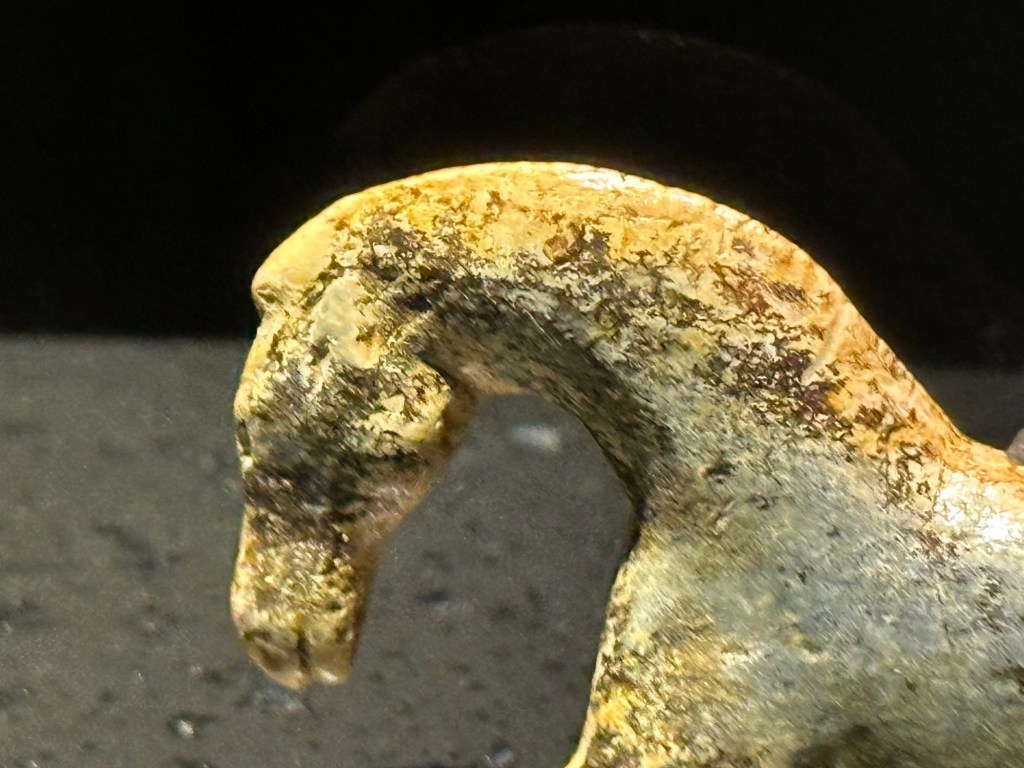
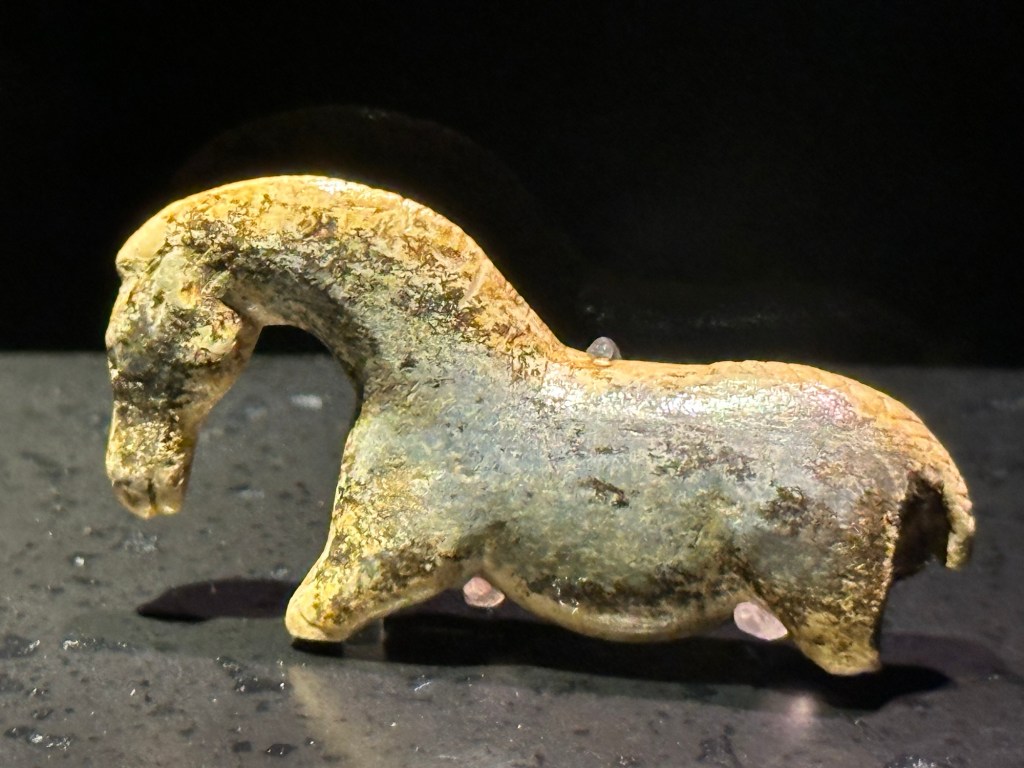
One of the places I wanted to visit during my trip was the University’s Museum of Ancient Cultures. The museum is the only university institution in the world to house artifacts with world heritage status. The featured objects in their collection are carvings made from mammoth ivory around 40,000 years ago.
On Sunday morning, I headed to the museum at Schloss Hohentübingen which as the name suggests, is located on top of the hill overlooking the whole area. The old town, which is usually very lively with lots of people, was practically deserted on that early Sunday morning. Since it’s a pedestrian area, I walked up to the top of the beautiful hill and arrived at the majestic gate of the castle which after another short climb, leads to the castle’s courtyard and museum entrance.
The room where the ancient artifacts are located is a small, dark room with about a dozen glass enclosures, each containing one of the carvings. They were all found in the Vogelherd cave, about an hour and a half drive from Tübingen. The carvings are very small and are mostly of animals, the most incredible one being that of a horse. Also exhibited are fragments of the oldest musical instruments of mankind.


In the afternoon Philipp and I drove together to Ludwigsburg, a town located just north of Stuttgart about 50 minutes from Tübingen. The concert took place at the beautiful Church of Peace.
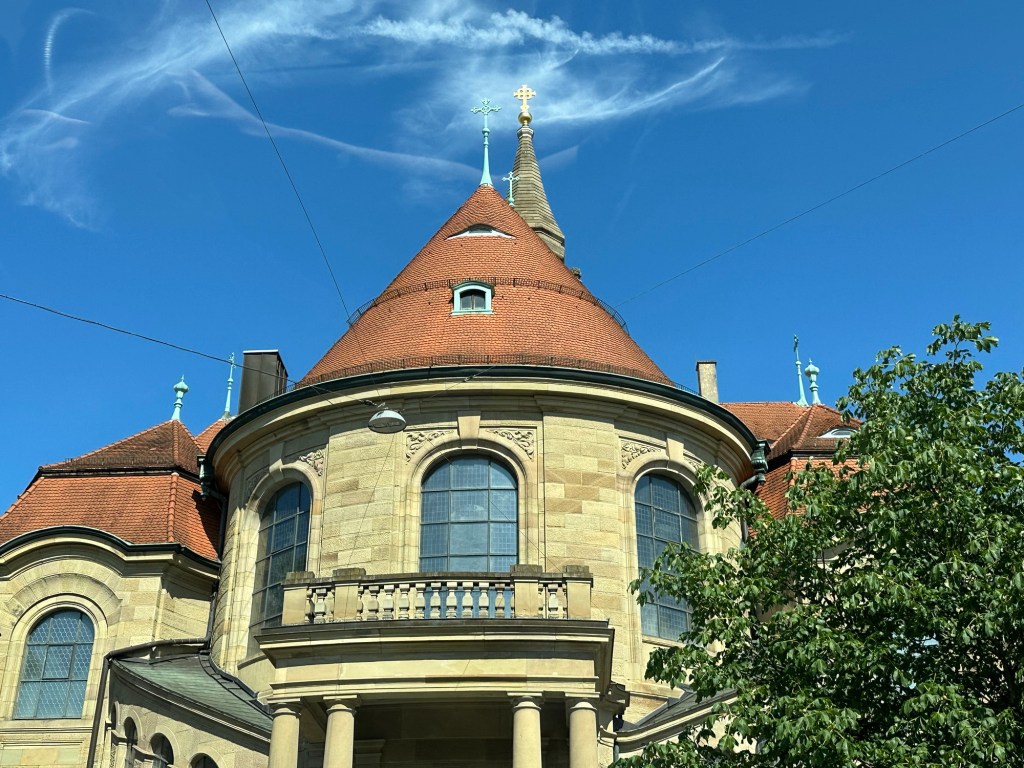


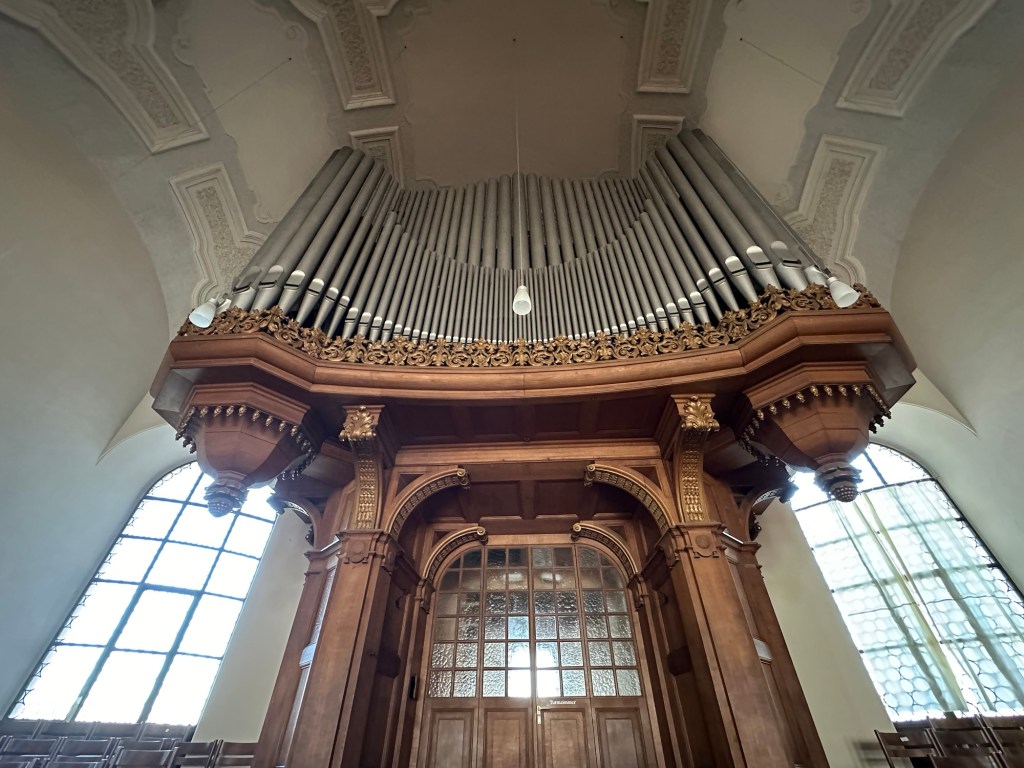
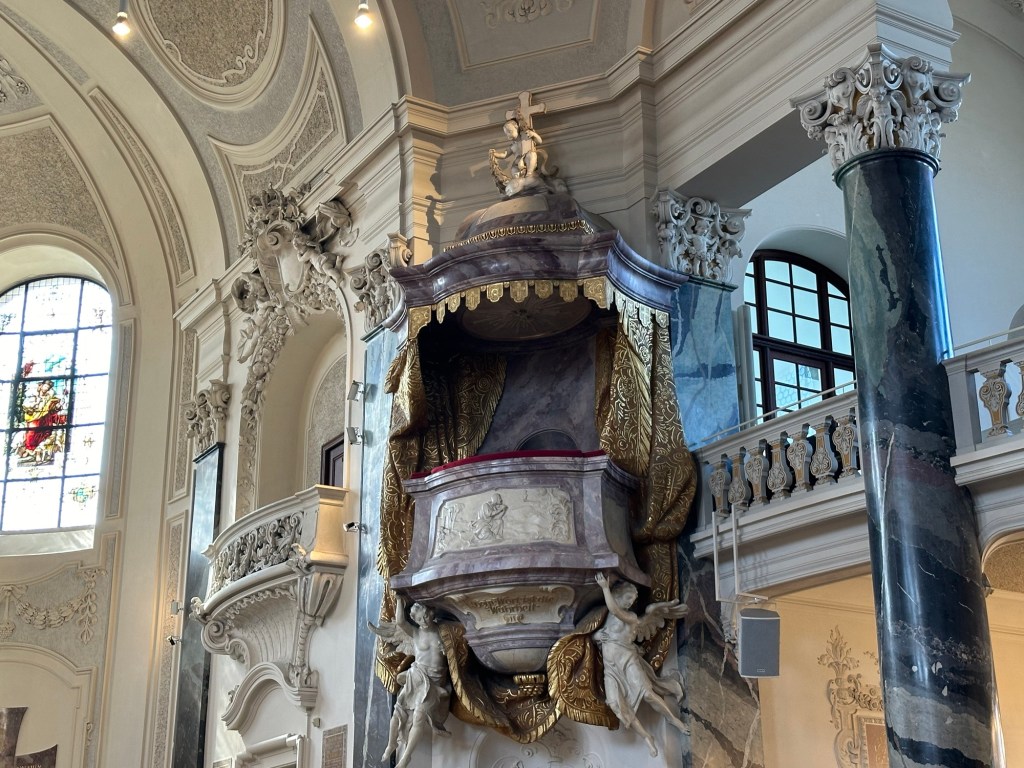

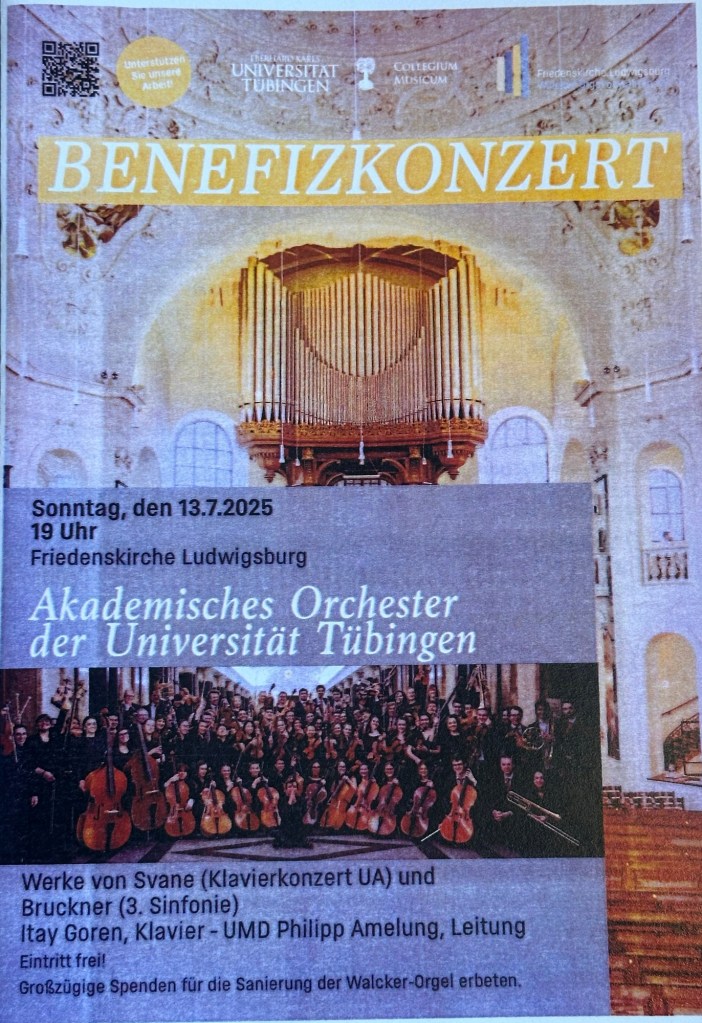
The concert again was fantastic and playing the piece a second time was absolutely wonderful. The medium size Bechstein piano sounded rich and colorful in the excellent acoustics of the church.


A reviewer wrote an excellent review on his blog:
Itay Goren, endowed with a rich diversity of touch, power and fluency, responded to the great applause in Tübingen with a Chopin Waltz and in Ludwigsburg with an improvisational arrangement of a cantata chorus by Bach.
Read the full review in German here.
Here is the video of the Concerto:
After intermission, I went up to the balcony to listen to the Bruckner. Here is a short excerpt:
After the concerts were finished, I spent my remaining time exploring the old town. Arriving at the old town, I found a small alley which goes up the hill through a wooded area all the way up to the Castle. It was quite a climb!
Here are some more videos and pictures from this enchanting town.
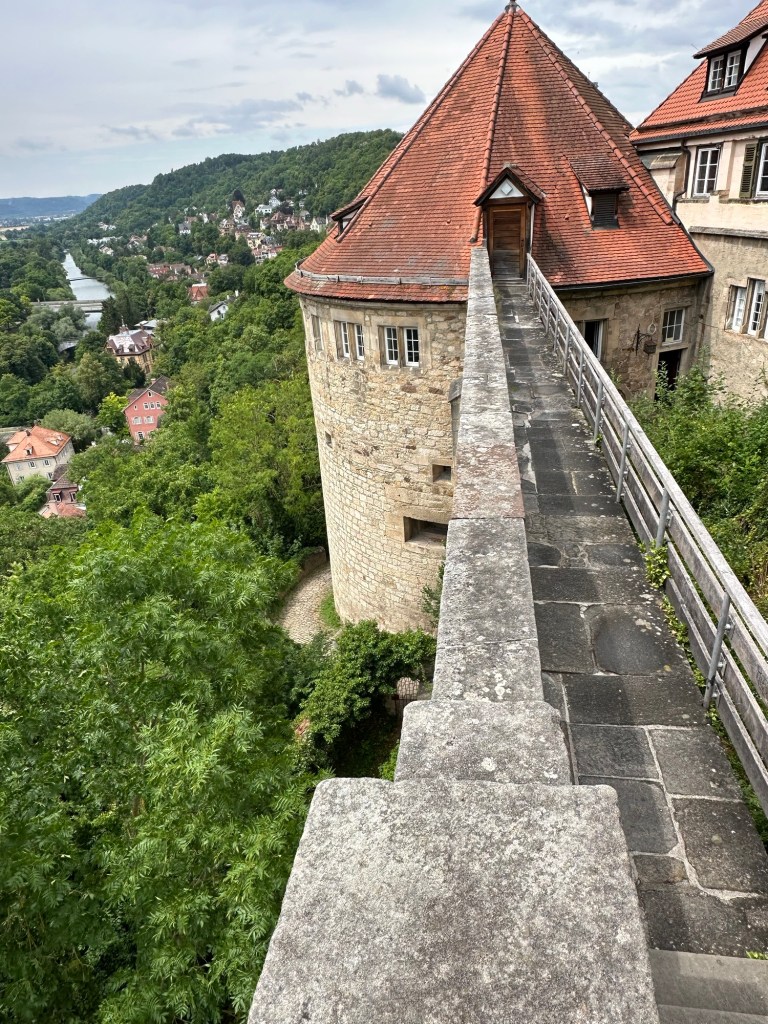
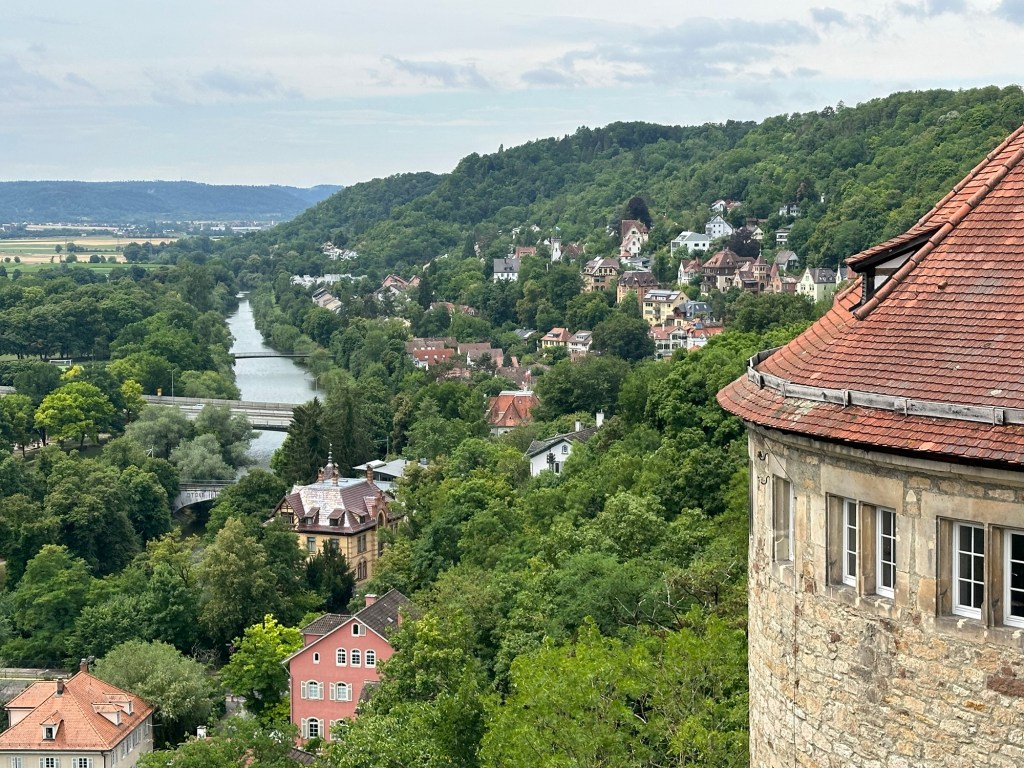

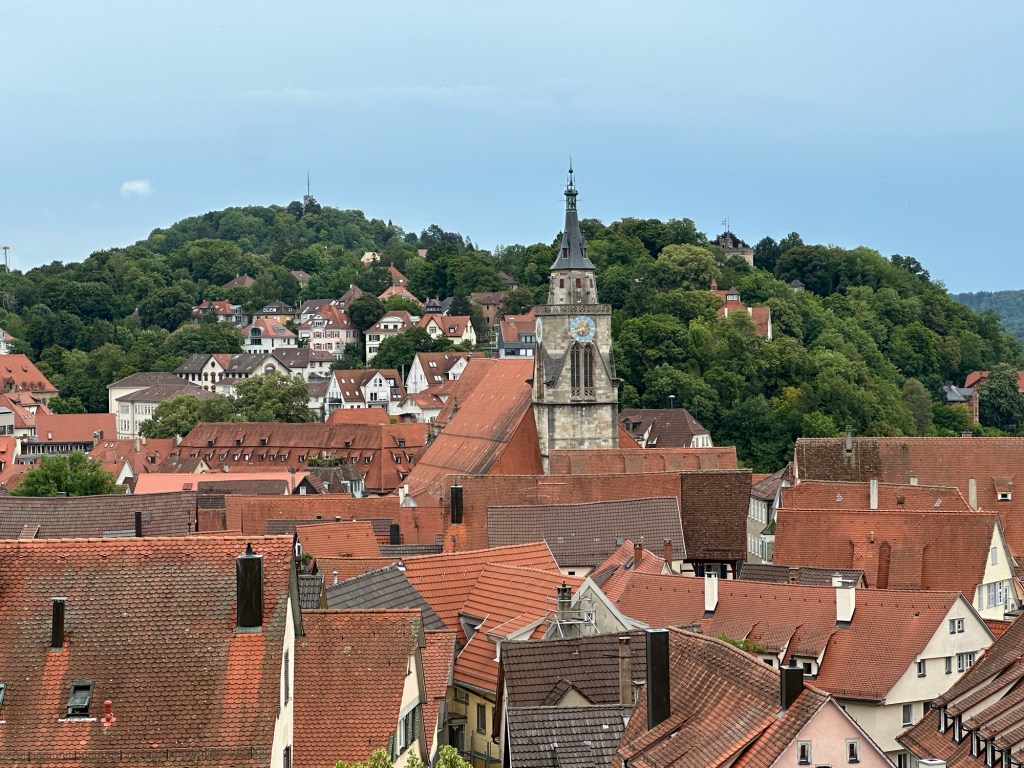

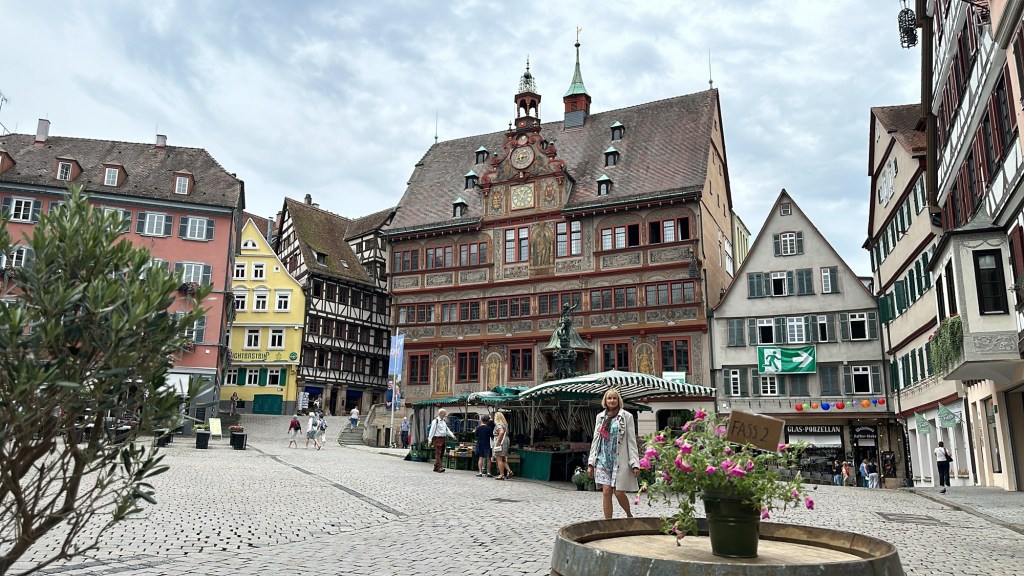
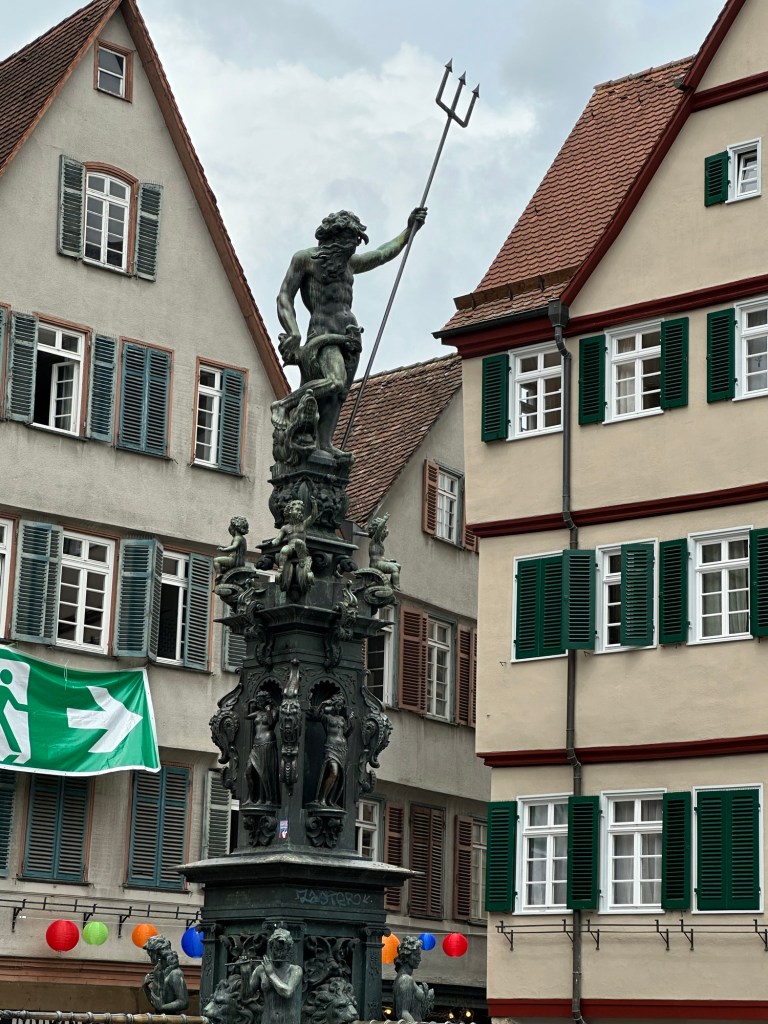
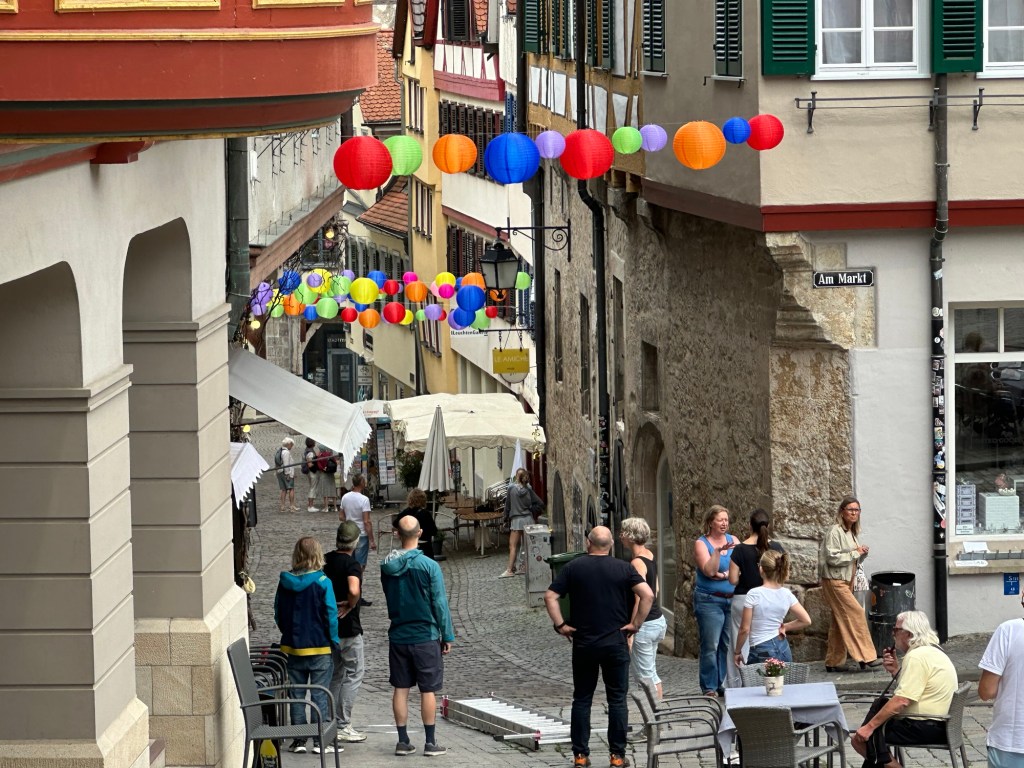
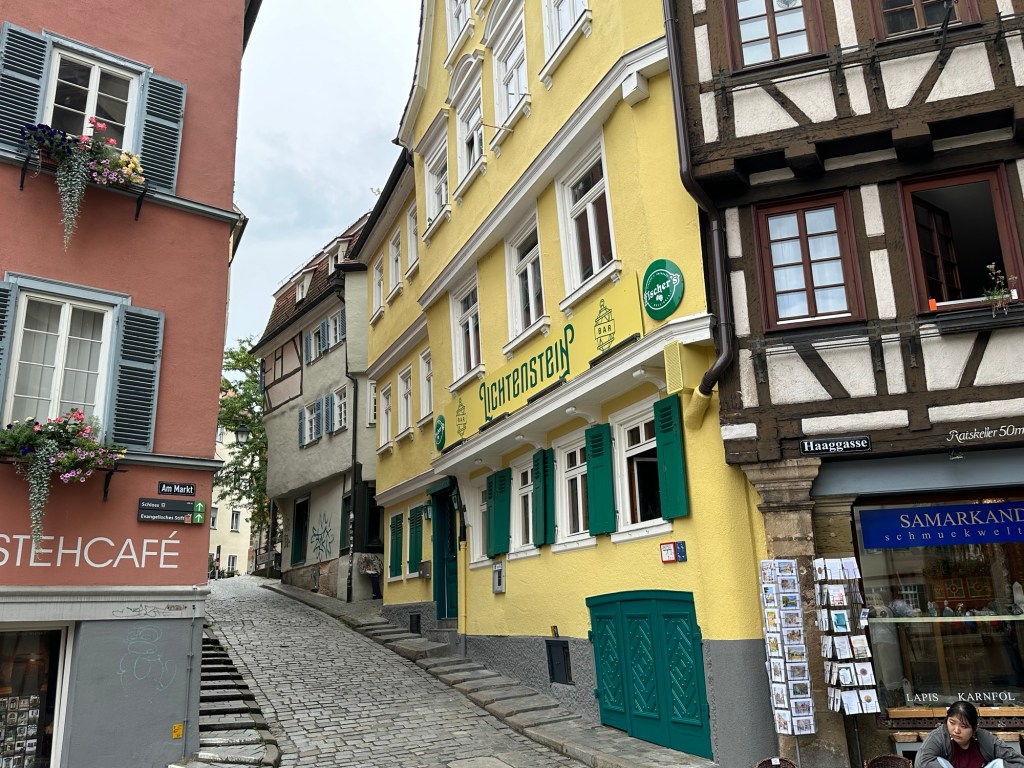


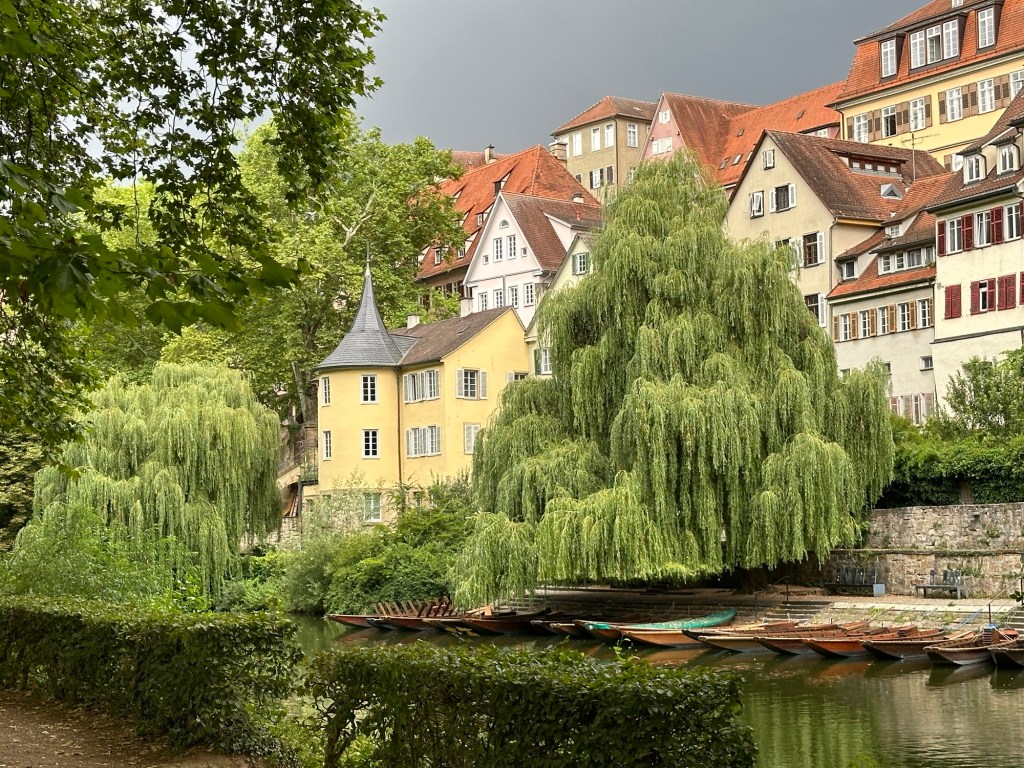
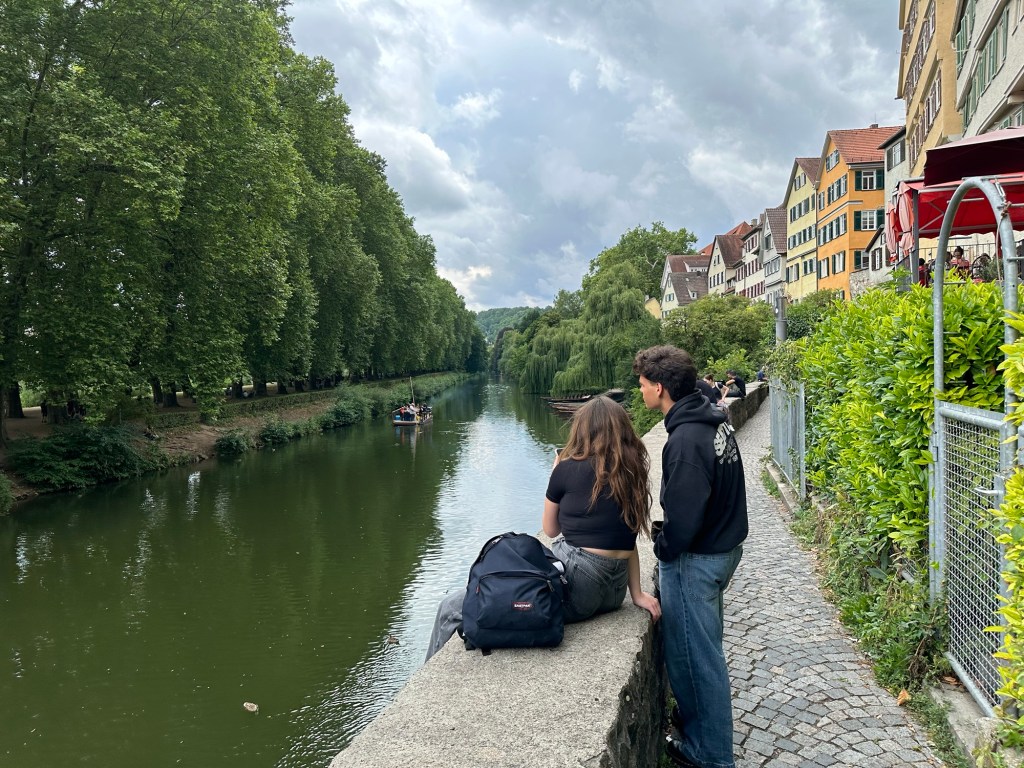
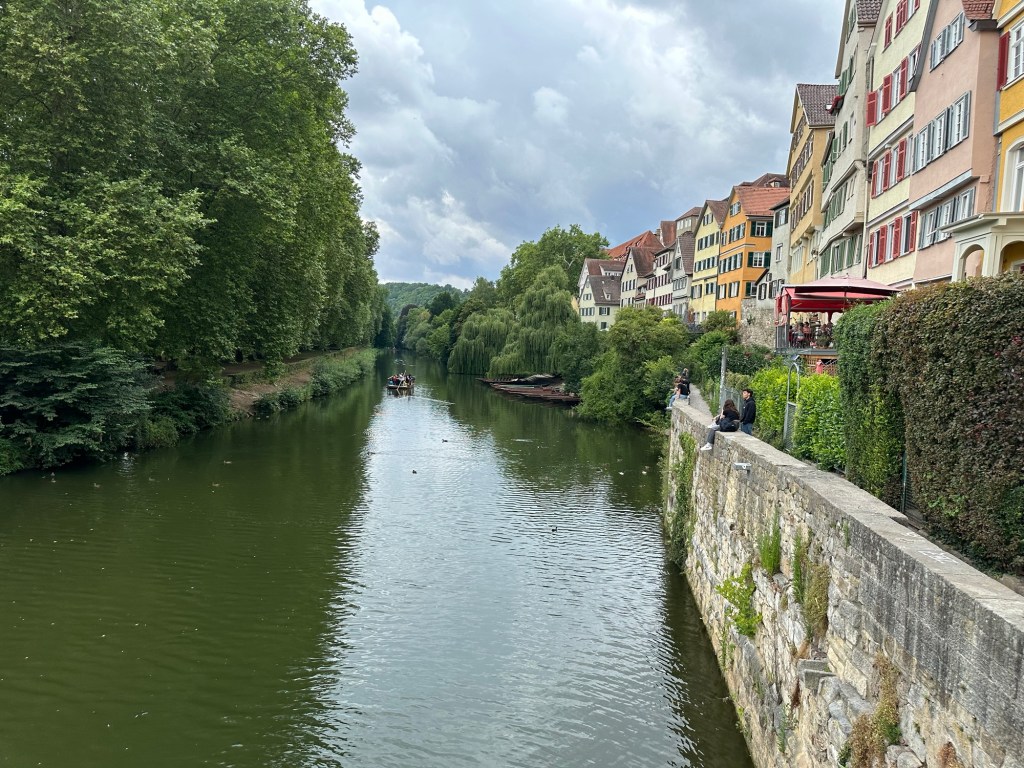
Until next time, Auf Wiedersehen!
Fall 2025, GRAMMY Submission
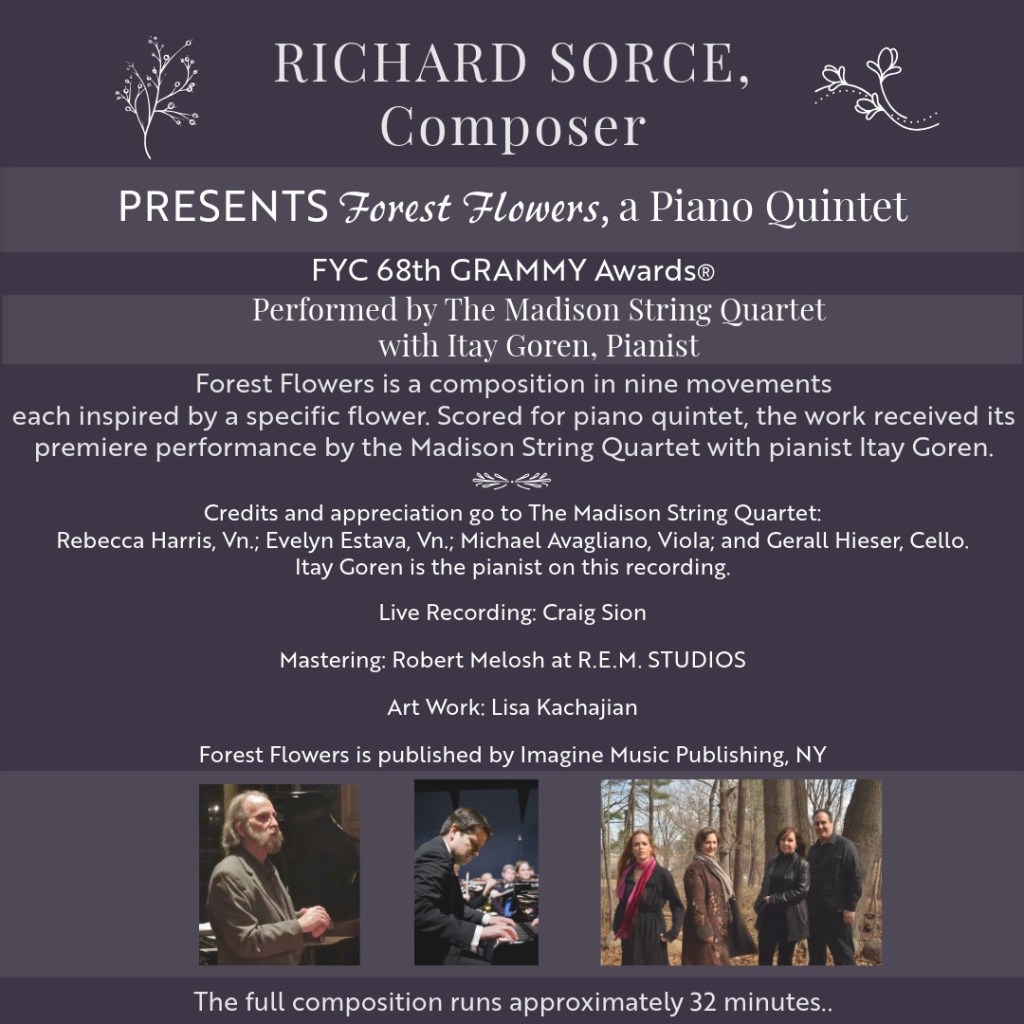
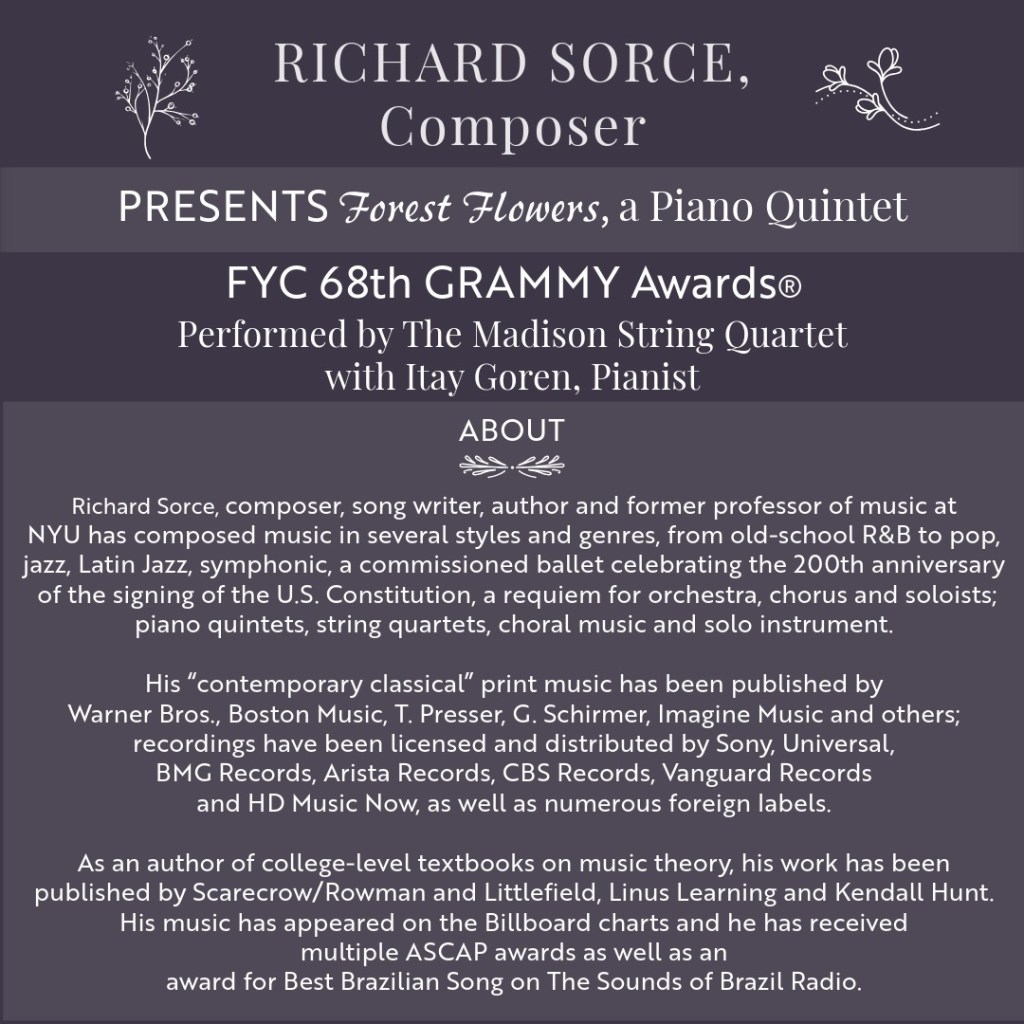
Last year I performed Richard Sorce’s Forest Flowers together with the Madison String Quartet. Richard is a voting member of the Grammy’s and he submitted the recording we made to the Grammy Committee in the Contemporary Classical Composition category. Here is a message he shared with us:
“Greetings Music Creators,
I hope you are well and have had a musically productive year. This year I have entered an original work in the Grammy “Best Contemporary Classical” category entitled, “Forest Flowers.” This is a composition for Piano Quintet featuring the Madison String Quartet with Pianist, Itay Goren. The piece is in nine movements, or more accurately, sections, each representing a particular flower, and with a total performance time of approximately 32 minutes. (Active links are at the end of this text). Although it is one continuous piece, each “movement” appears as a separate track. If you would consider listening I would be most appreciative…and, if you have a submission this year, I’m listening. (see FYC below).
Thank you, with best wishes, Richard”
Tour in Italy October 19-29, 2024

Here are some impressions, pictures (click on a picture to enlarge) and videos from my recent concert tour in Italy. It was an incredible experience!
My first concert was on Sunday, October 20 in the small community of Lerma, province of Alessandria in the Piedmont region.


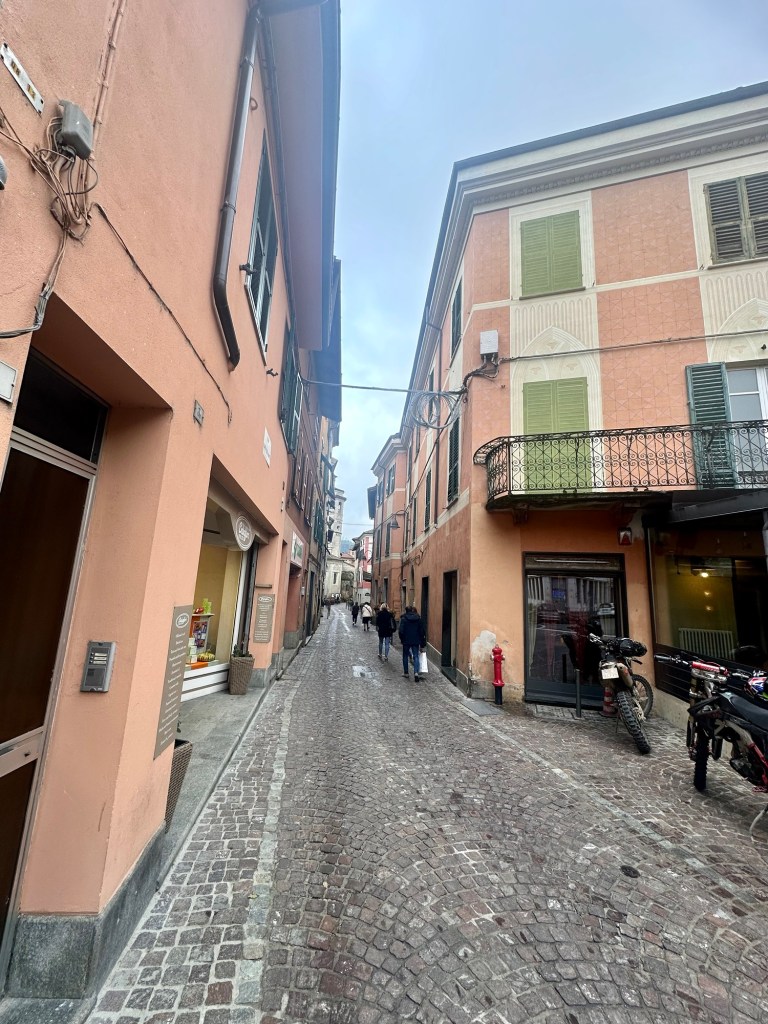
This beautiful area is situated along rolling hills dotted with vineyards and picturesque villages. I stayed in a hotel in neighboring Gavi, a small town with a medieval fortress, lovely central piazza and small alleys with restaurants and small shops.

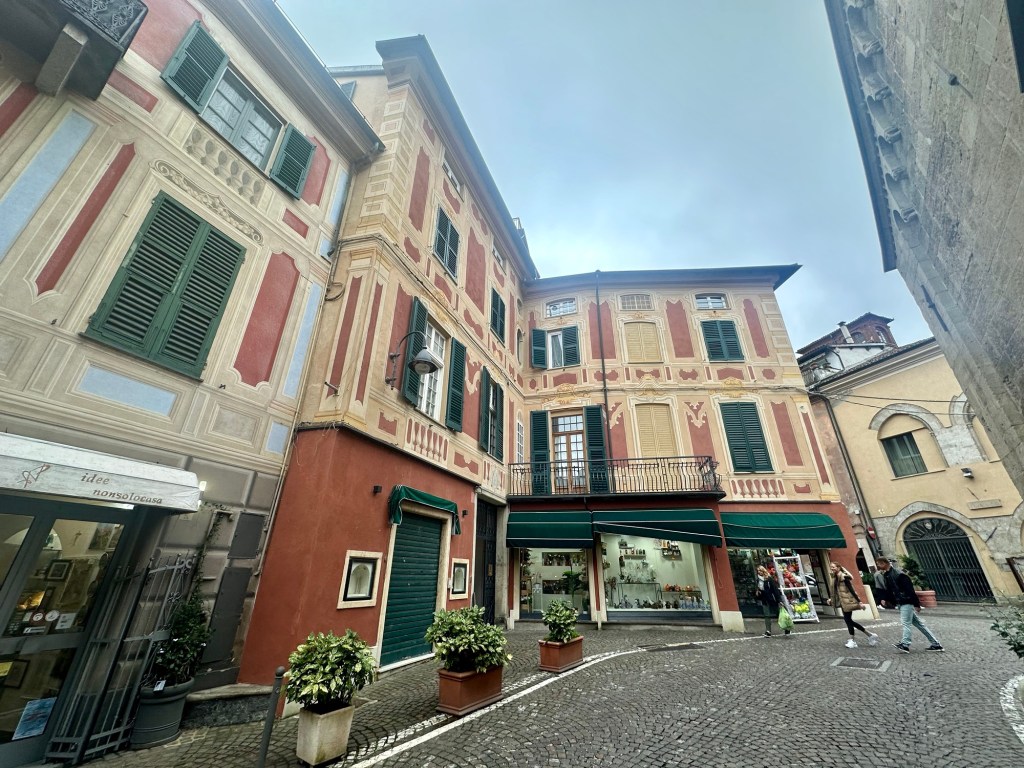
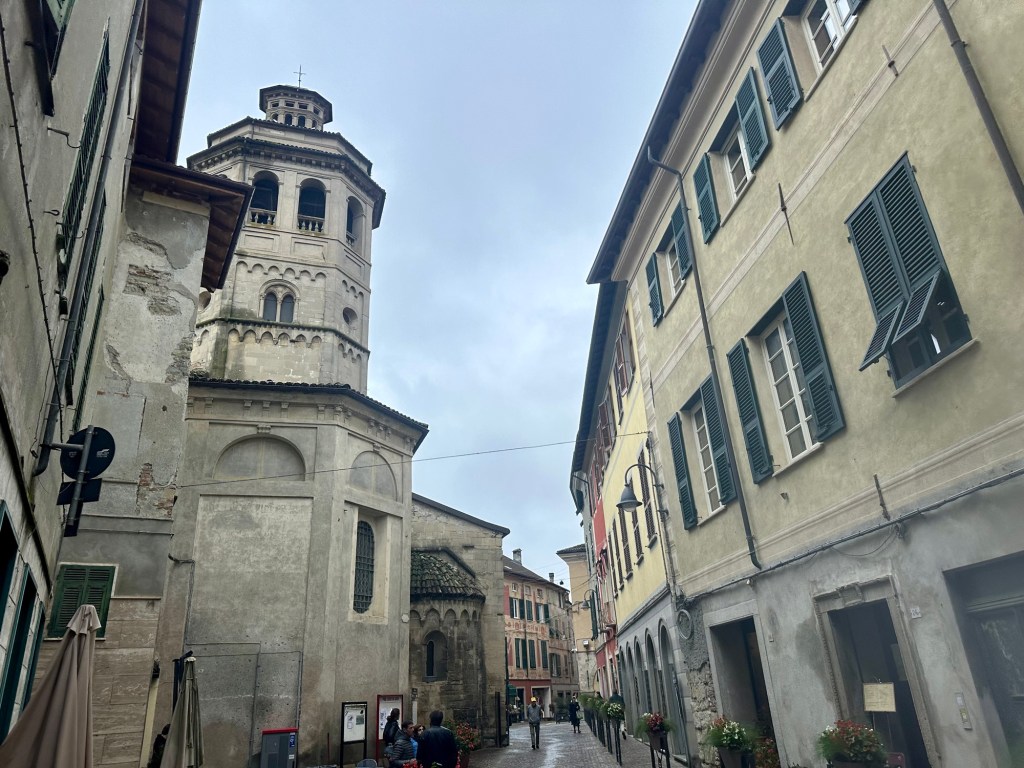
The concert in Lerma took place in the local auditorium and a fantastic Fazioli piano was brought especially for the event. It was a real pleasure playing on that magical piano. Here are a few pictures and a video of Brahms’ Intermezzo Op. 117 No. 1:
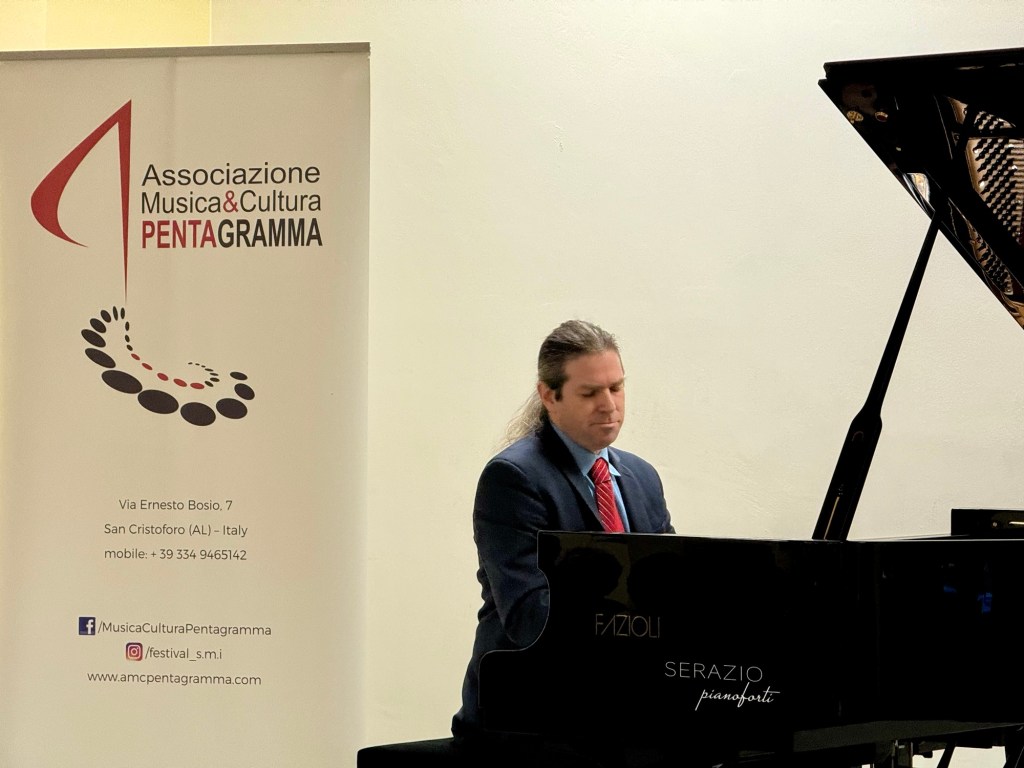
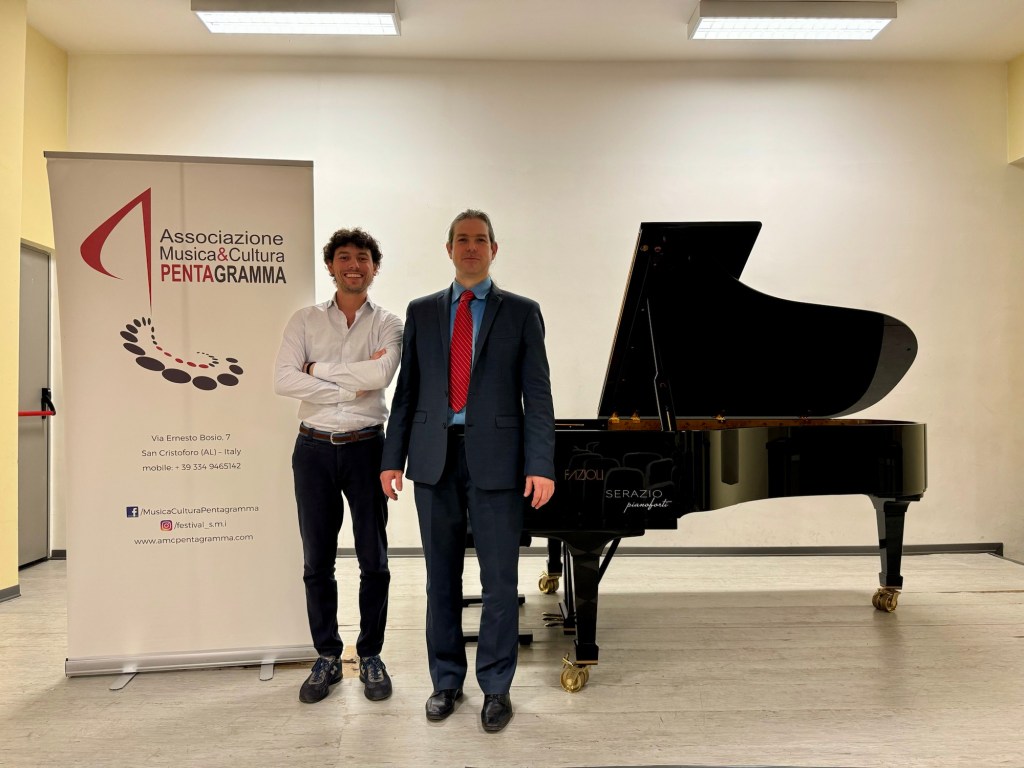
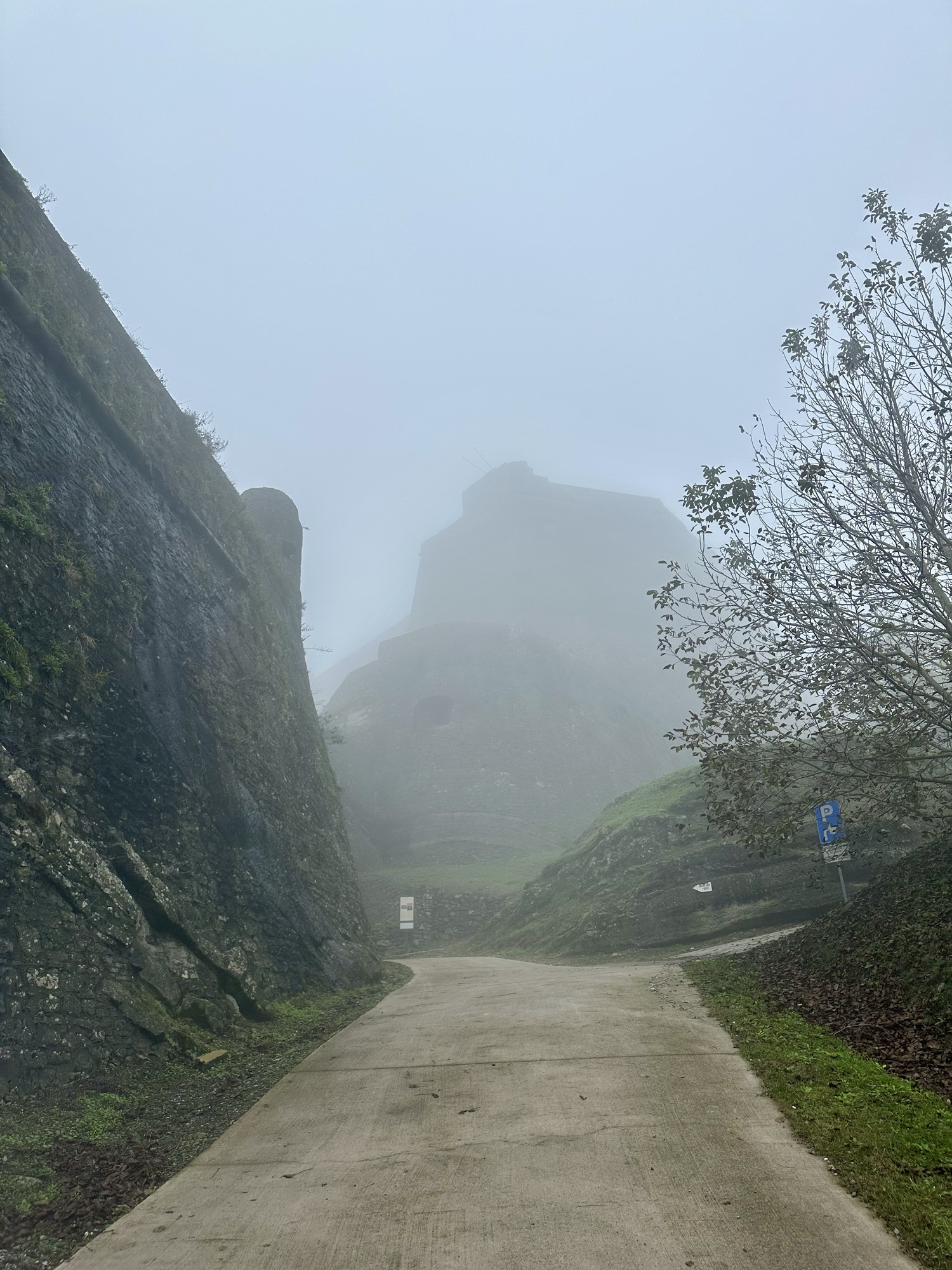
The next morning a drive up to the fog covered fortress and a stop at La Chiara Winery, where one can find Gavi di Gavi, the area’s well-known white wine.
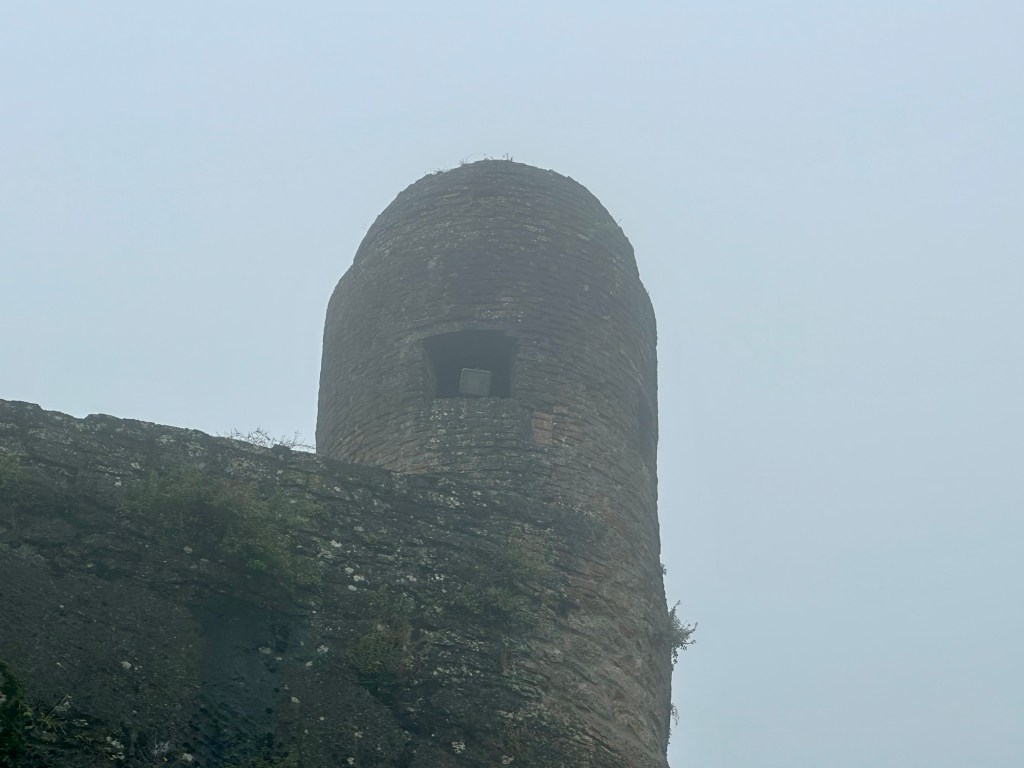
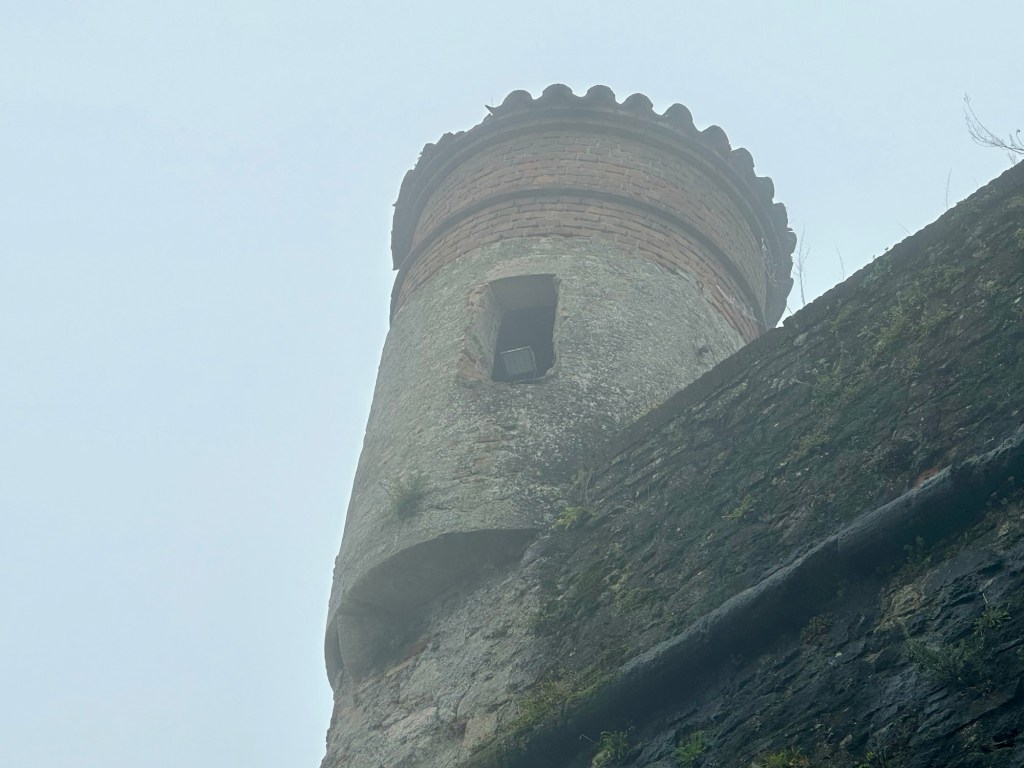
My next concert was scheduled for Friday, October 25 in the city of Pavia, Lombardy.

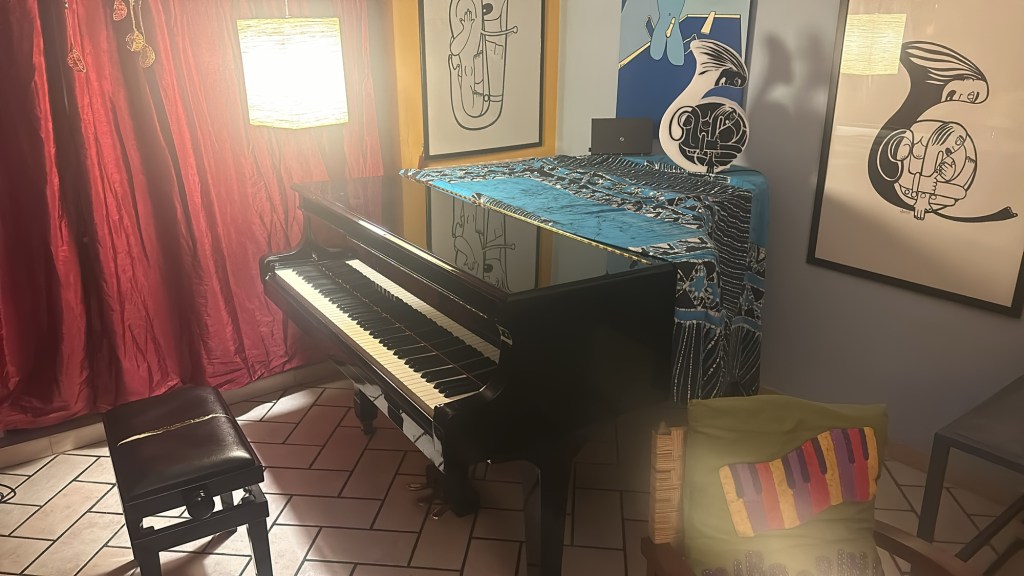
Since I had several days until the concert, I decided to book an Airbnb with a piano in Milan, so I could practice at will and do some sightseeing. I was lucky to find an Airbnb that belongs to a musical and literary family in Milan.


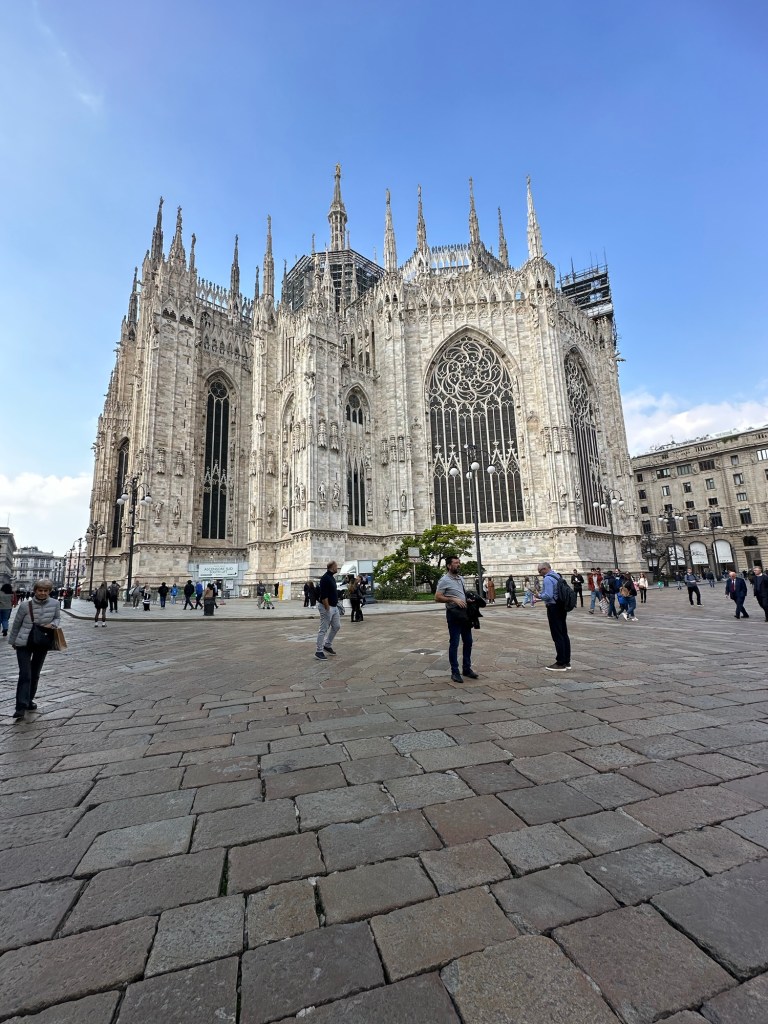
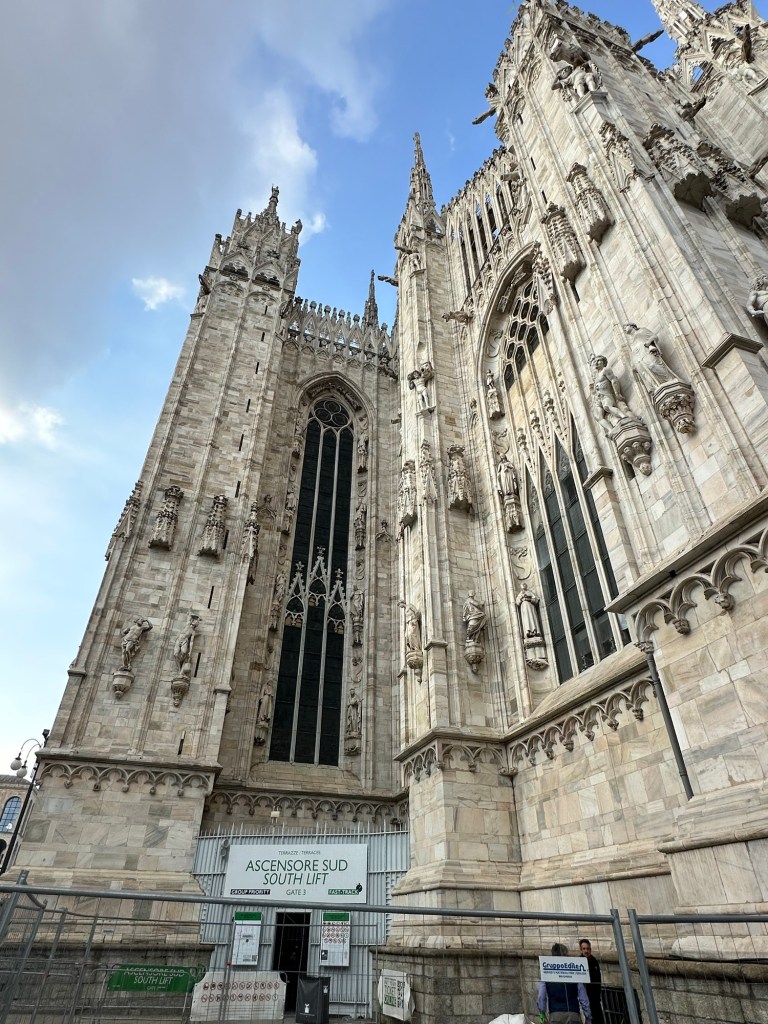
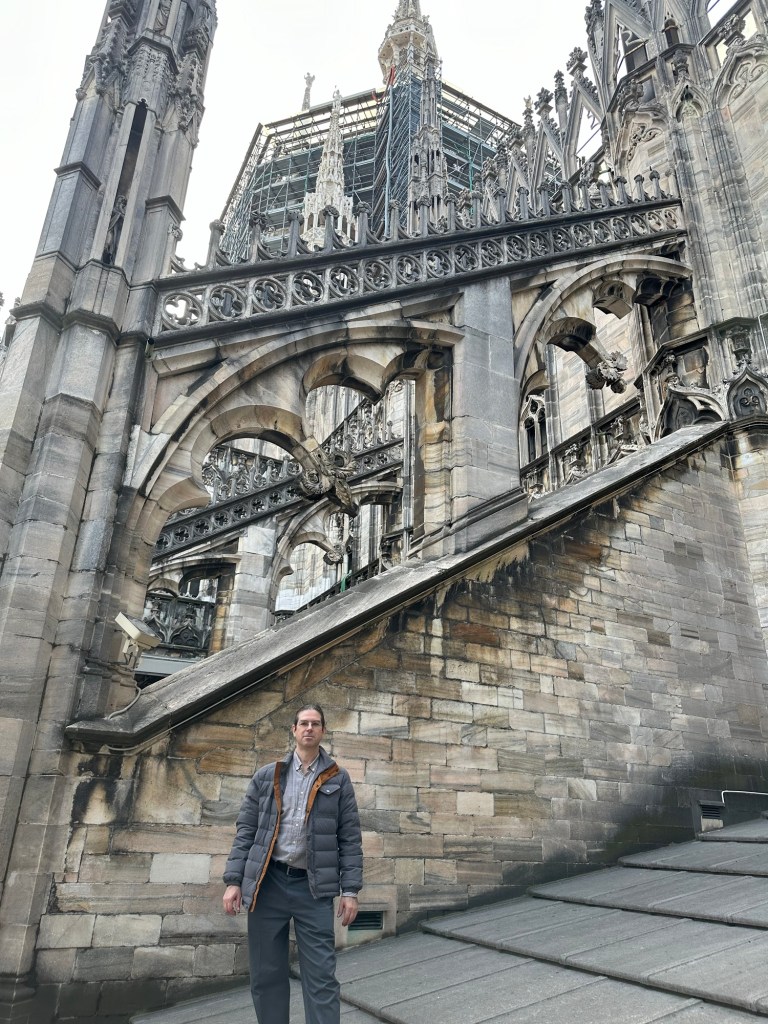
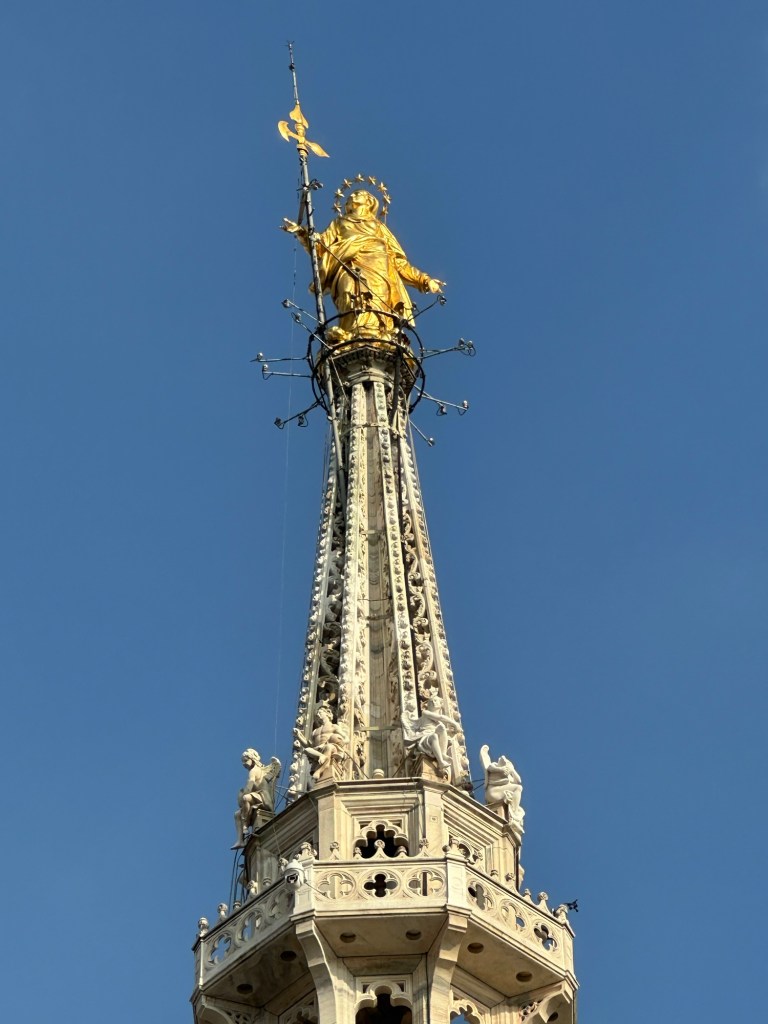
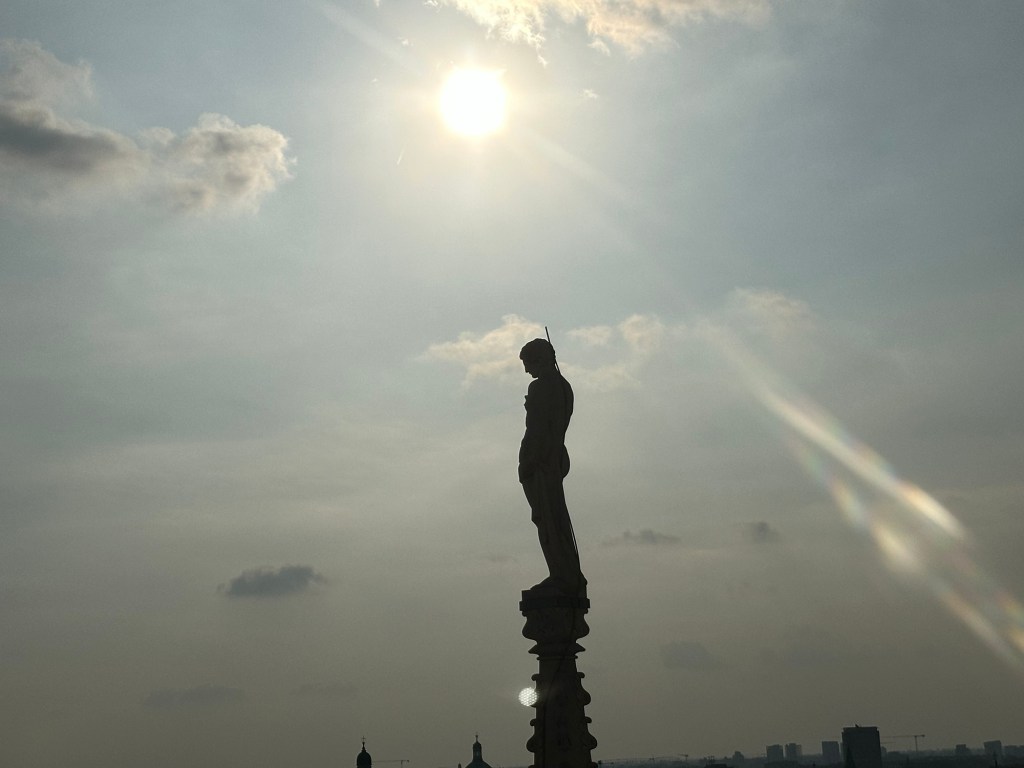
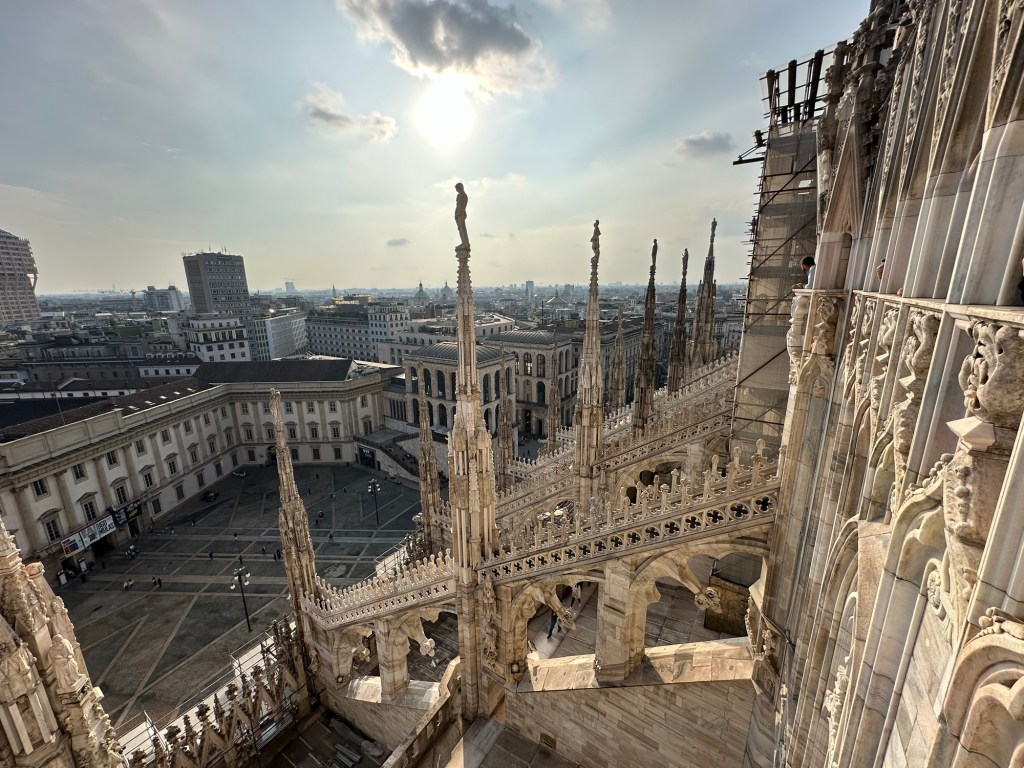
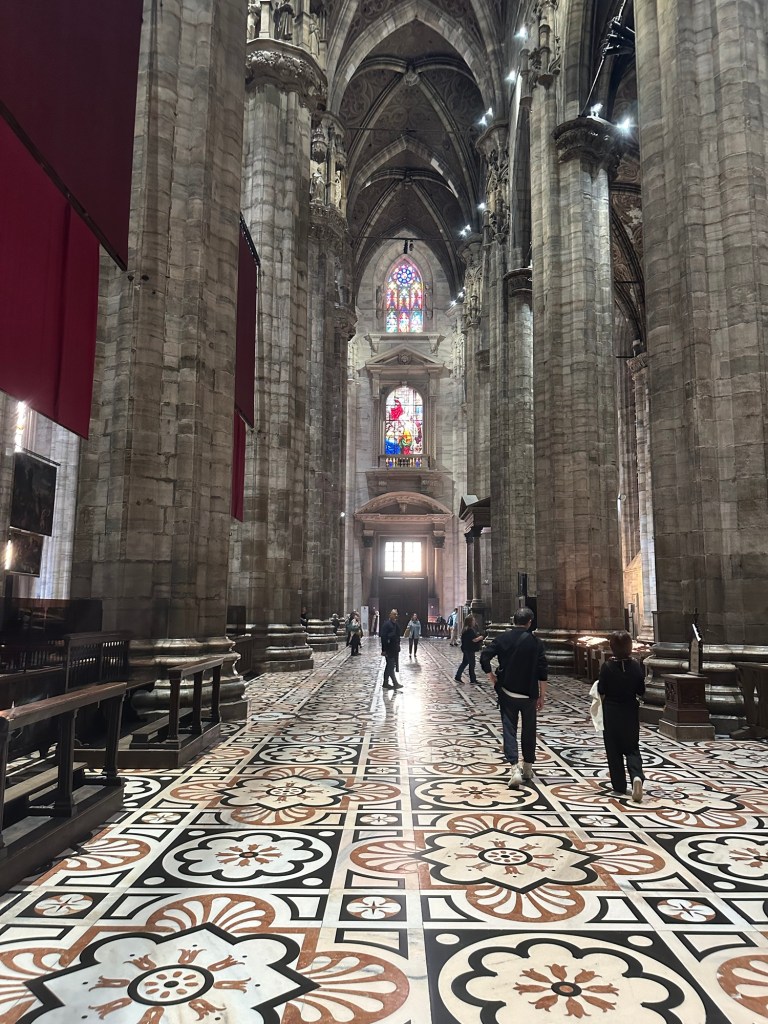
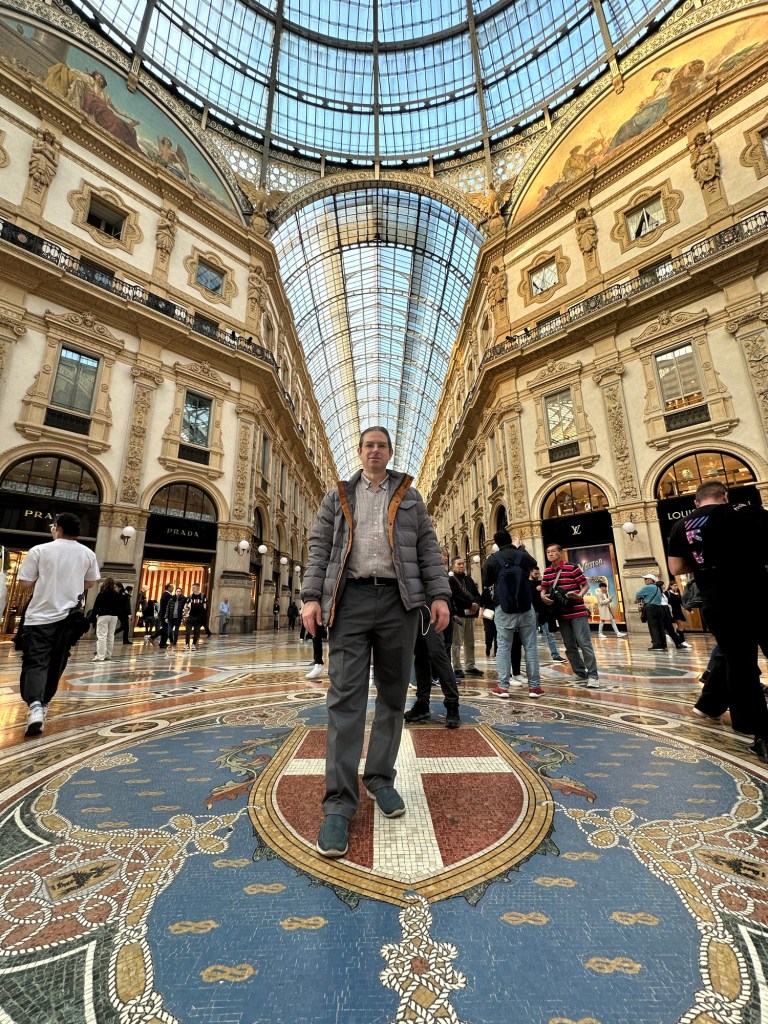
Although the weather during my stay in northern Italy was mostly rainy, foggy and grey, there was one day with excellent weather, so I took this opportunity to visit the Duomo and go up to the rooftop. There were many visitors at the Duomo that day and it was so nice seeing everyone enjoying the beautiful weather and taking in the majestic views of and from the cathedral.




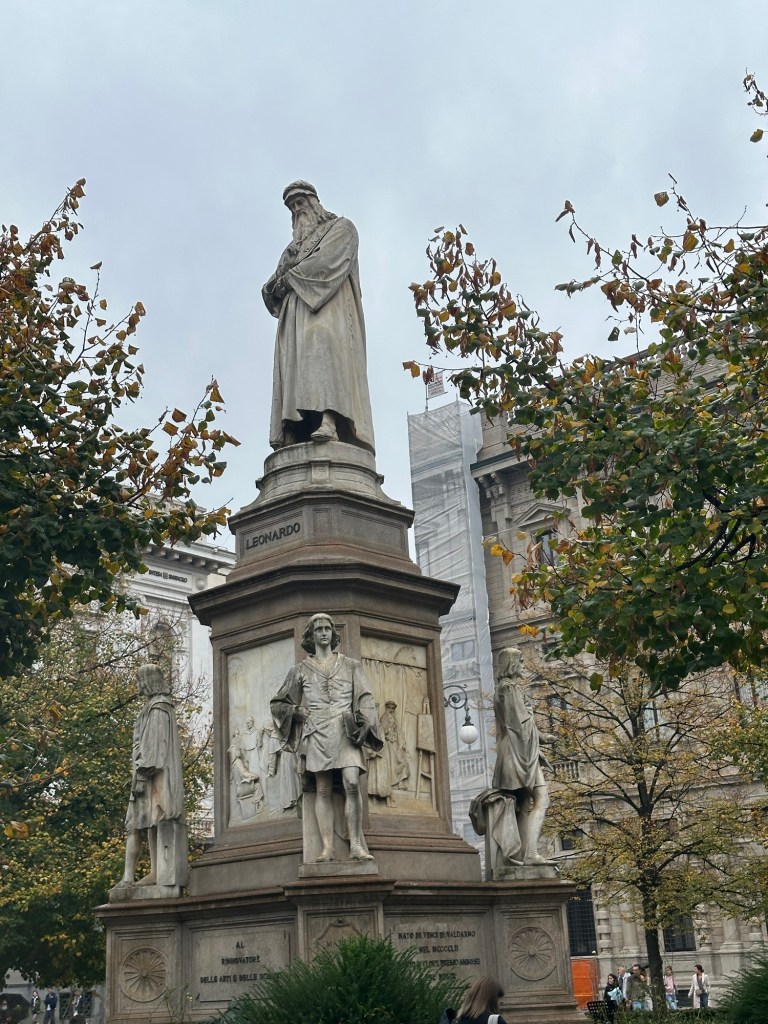
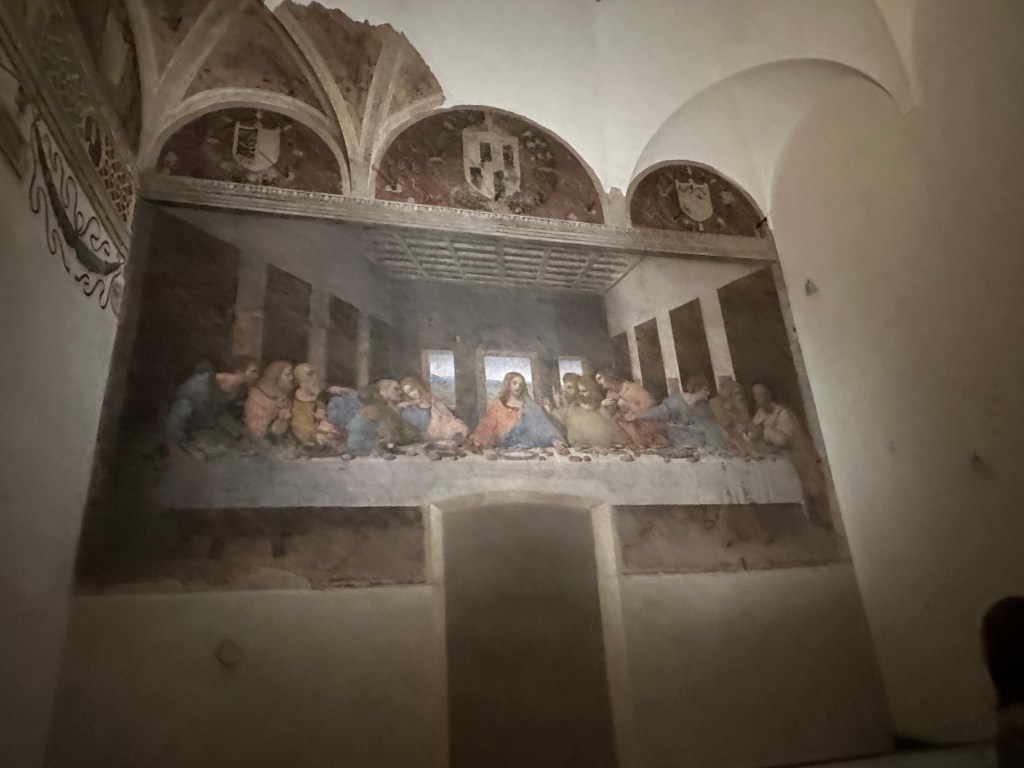
I planned ahead to go and see Leonardo da Vinci’s The Last Supper, and buying a ticket in advance proved to be a very good idea!


The concert on Friday in Pavia took place at 9 pm at the historic Church of San Lanfranco. The frescos, paintings, statues and architecture of the church created a very mysterious atmosphere, which contributed to the whole concert experience.
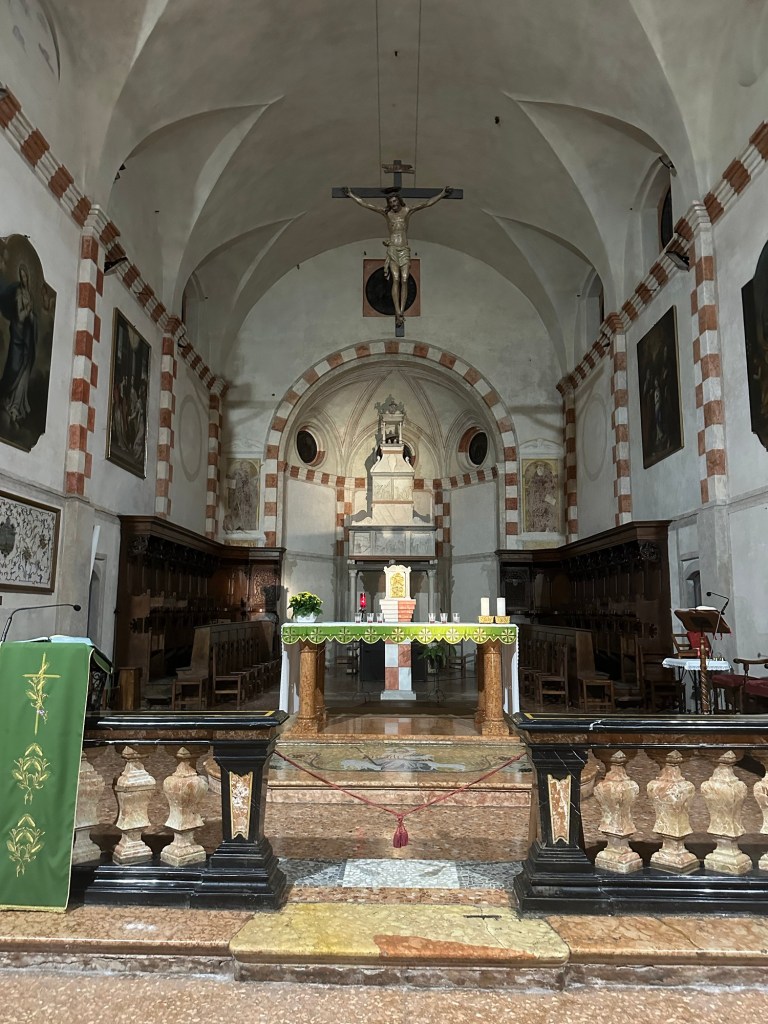
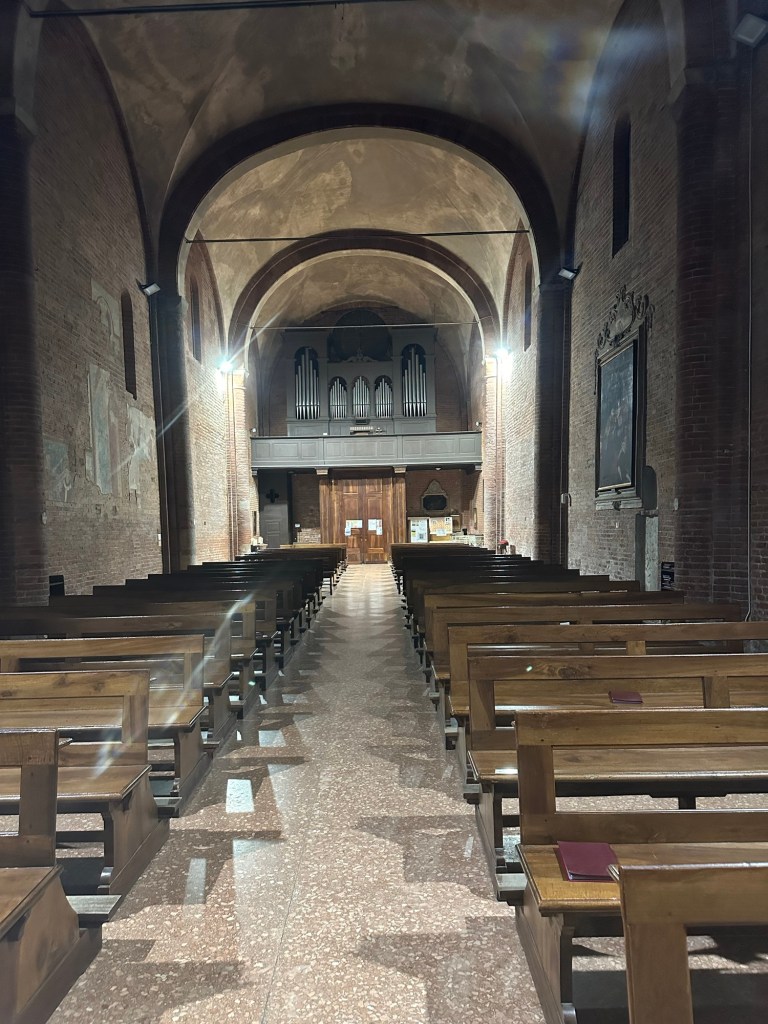


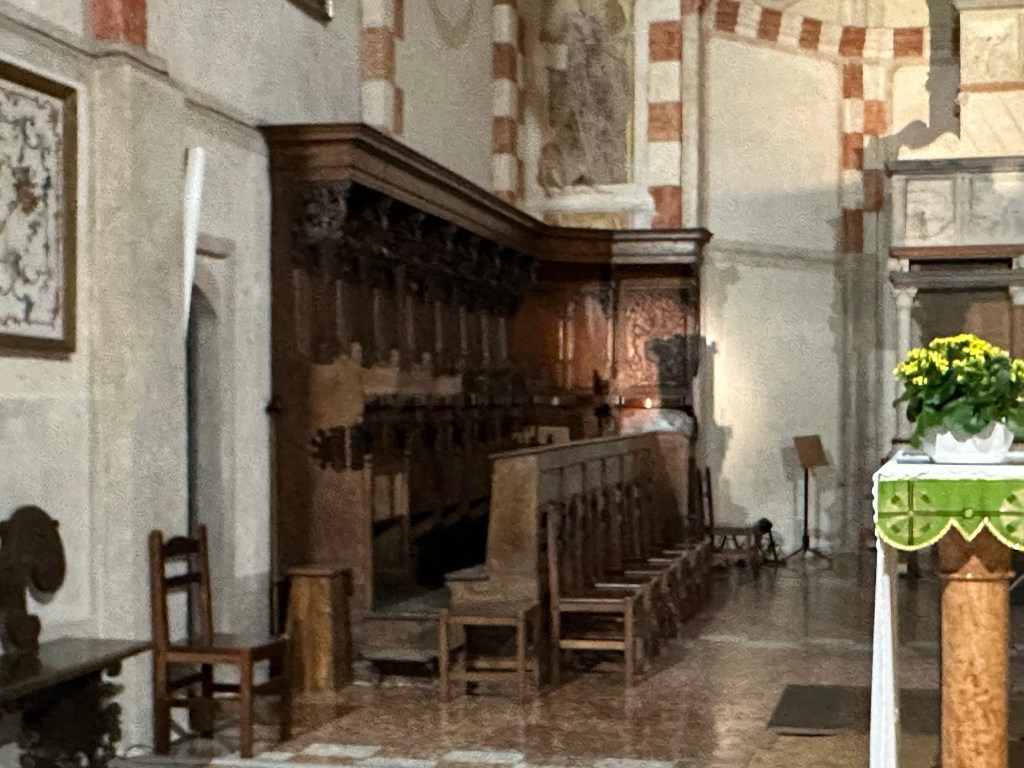

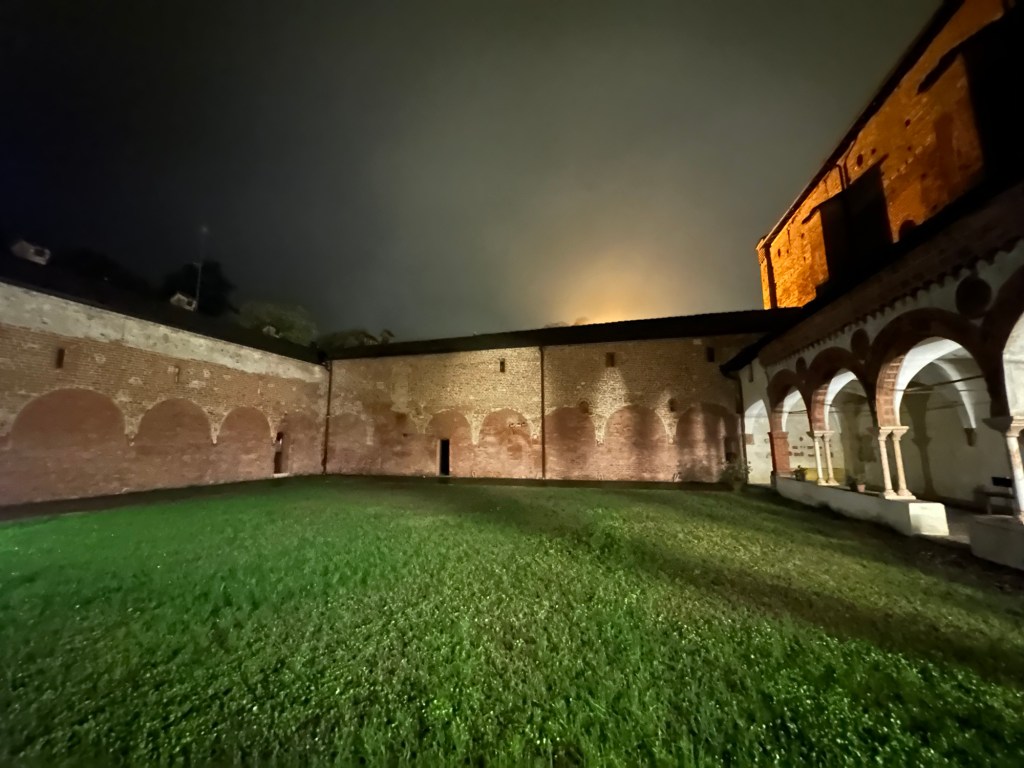
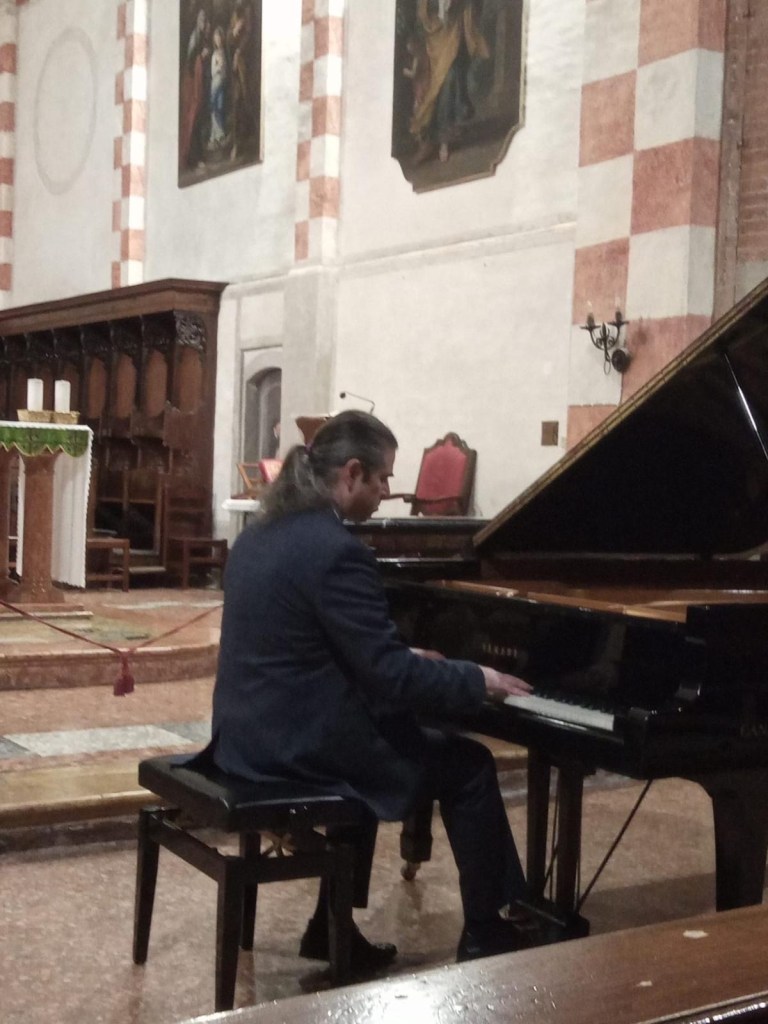
The church has a good Yamaha piano and together with the live acoustics it sounded really full. Here is the 3rd movement of Beethoven’s Sonata Op. 31 No. 1:
The following day I drove down to Tuscany. On the way I stopped at the Violin Museum in Cremona and it just happened that they had a concert by a young violinist playing a famous Stradivarius from 1727. It’s a great museum where one can spend many hours.


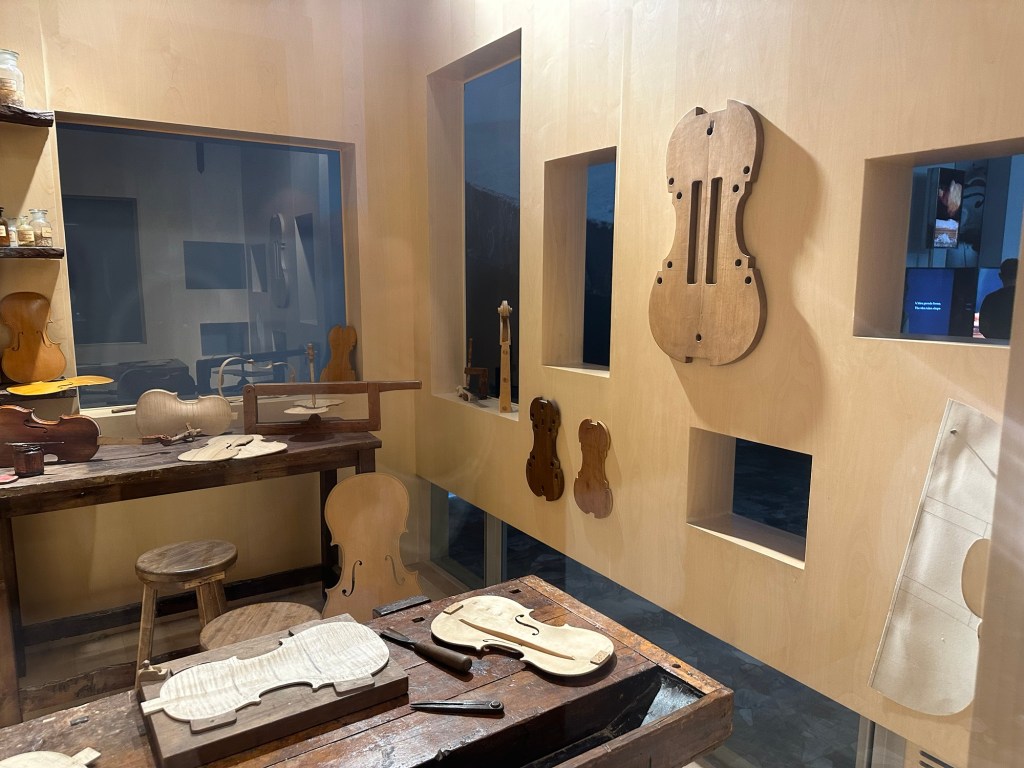
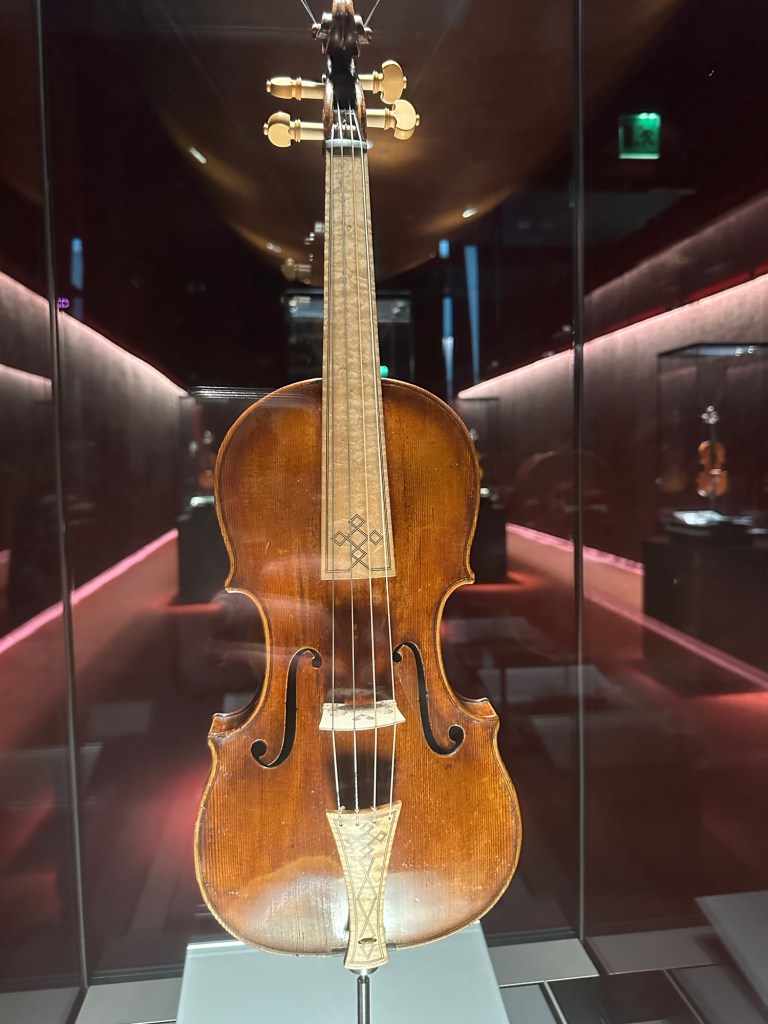
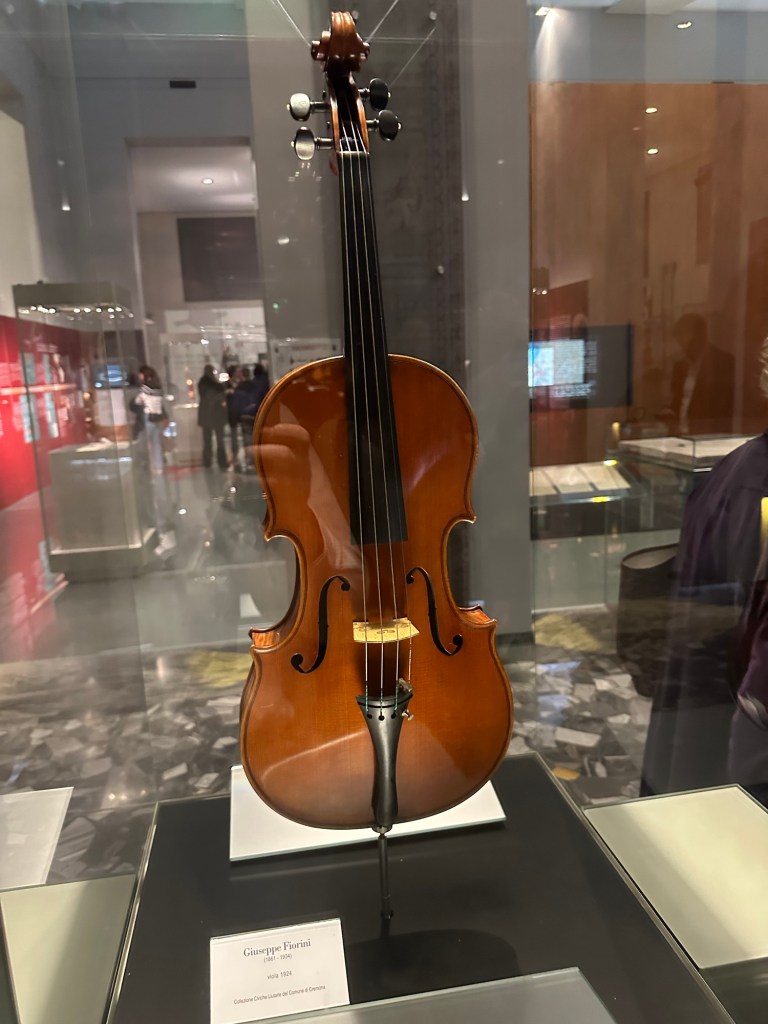
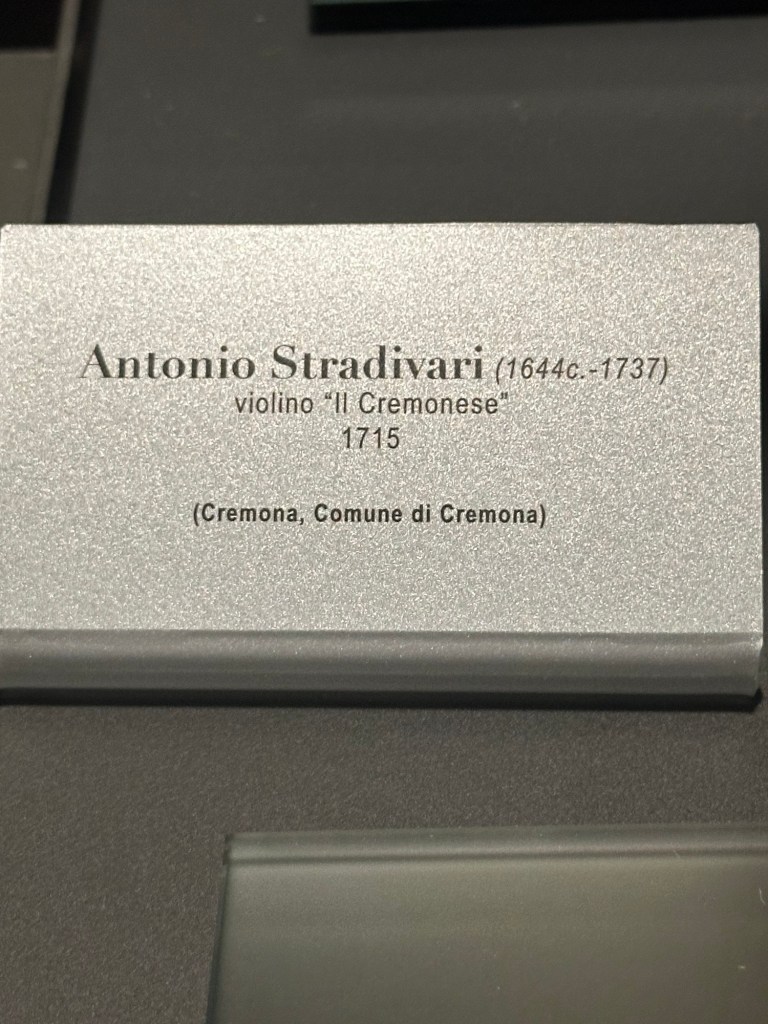
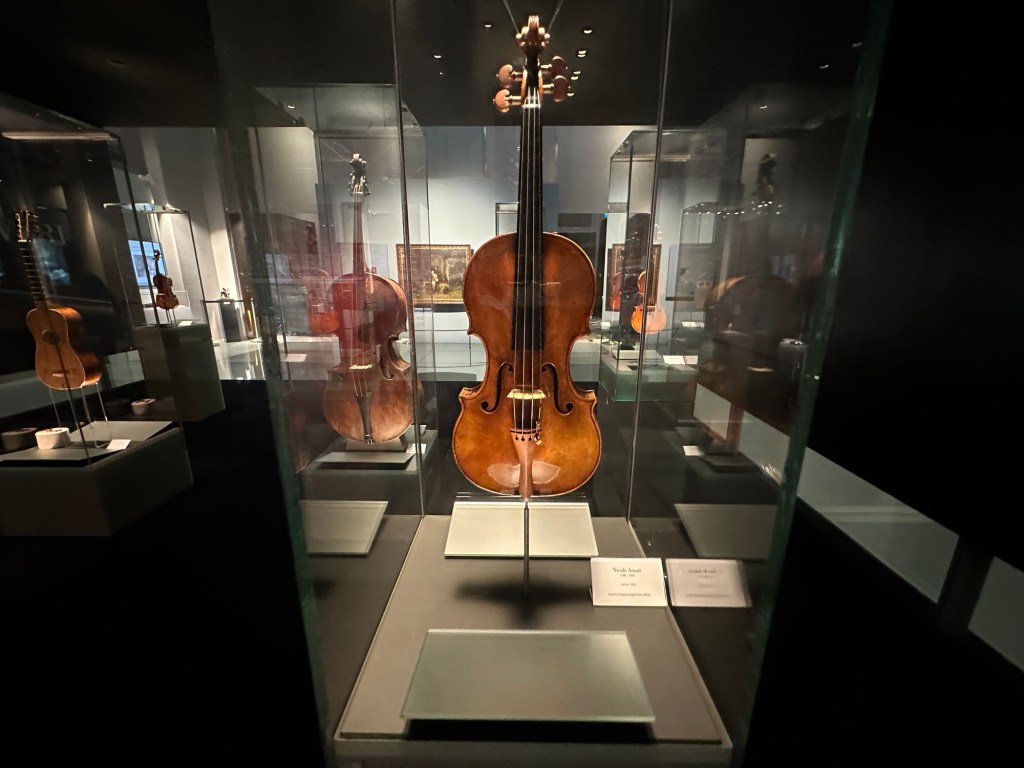

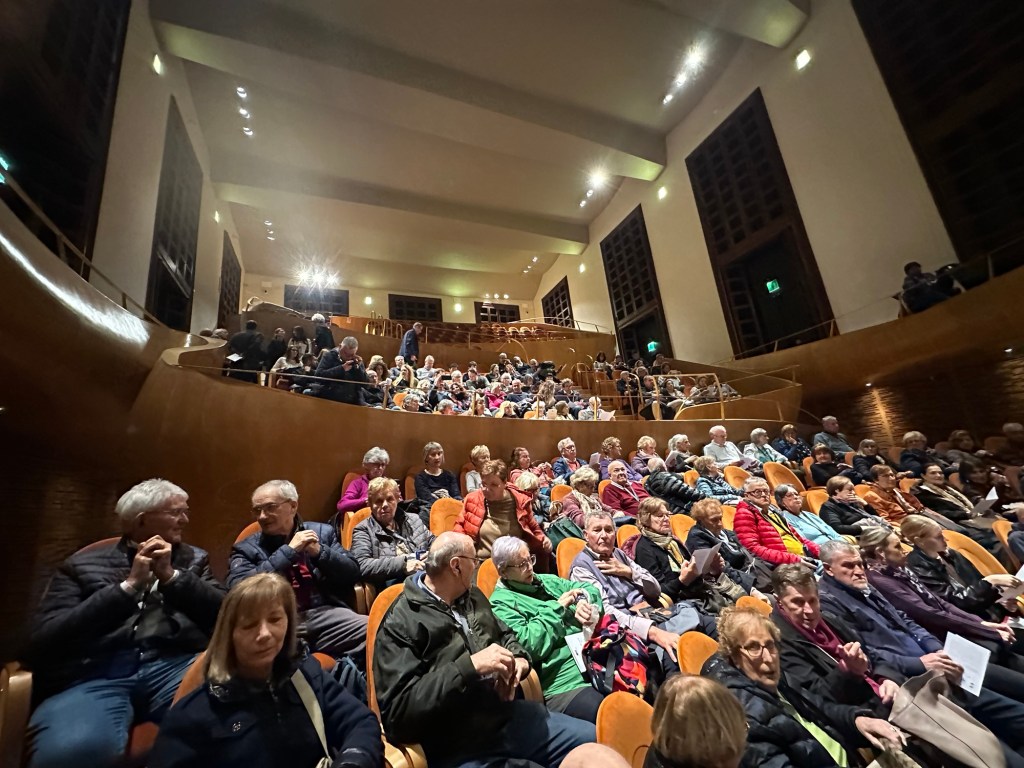
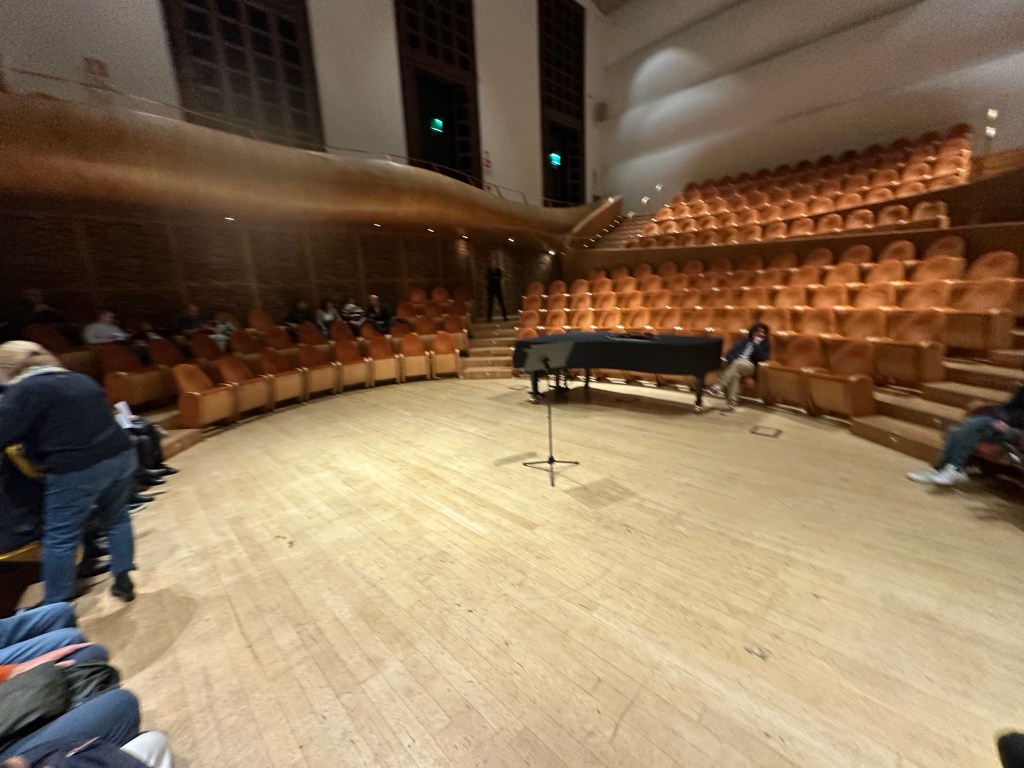

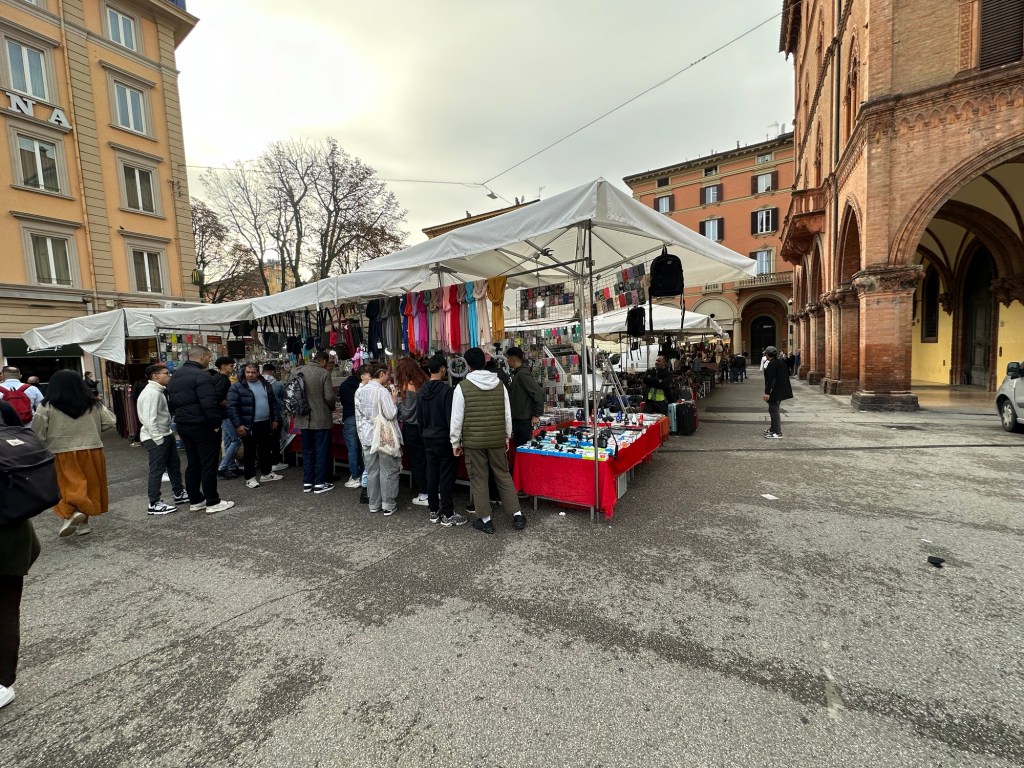
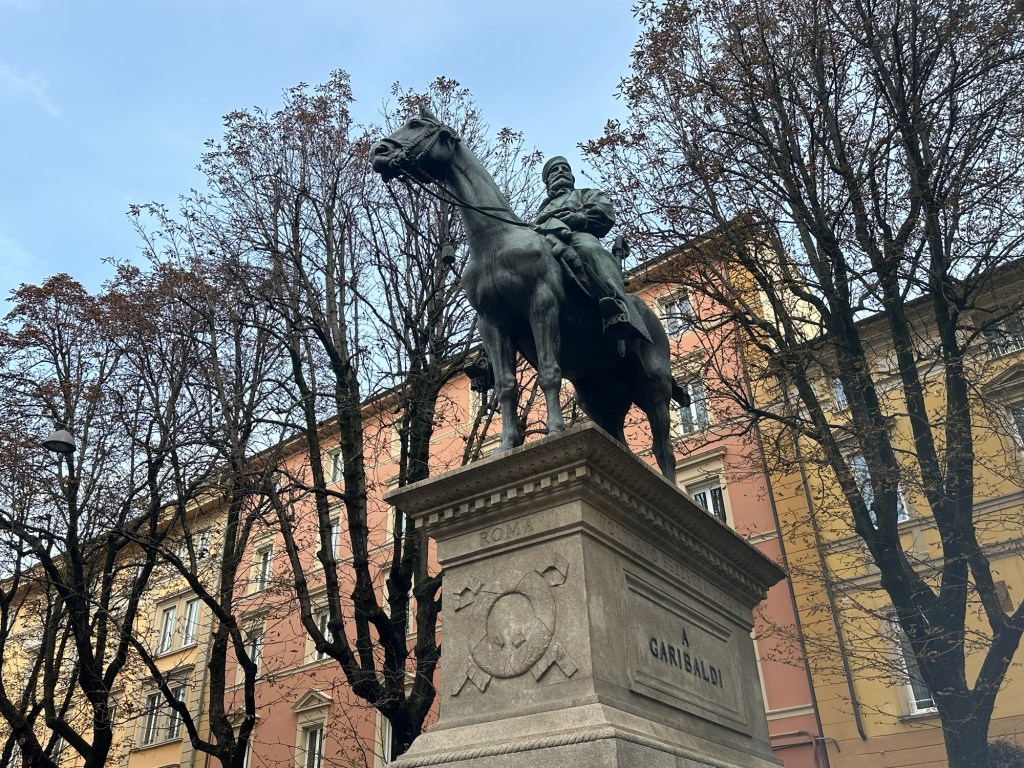
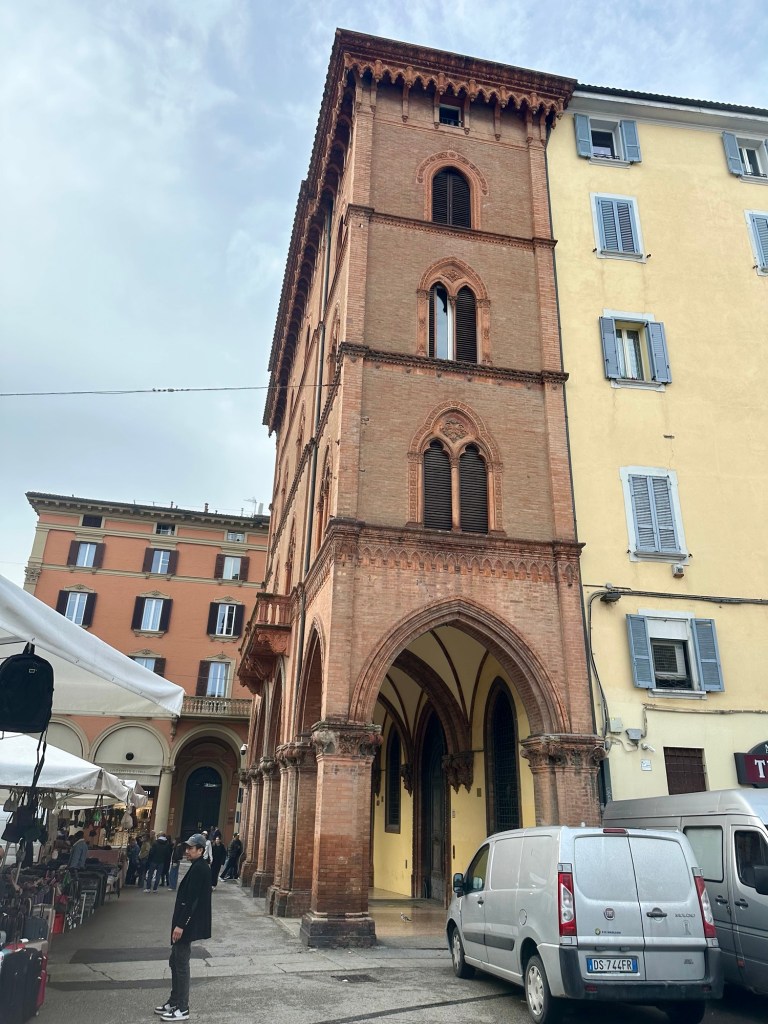
Of course, I should mention that the food in Italy was amazing! After the museum, I drove to Bologna and had a delicious Tagliatelle al Ragù alla Bolognese at an osteria in the lively downtown area.


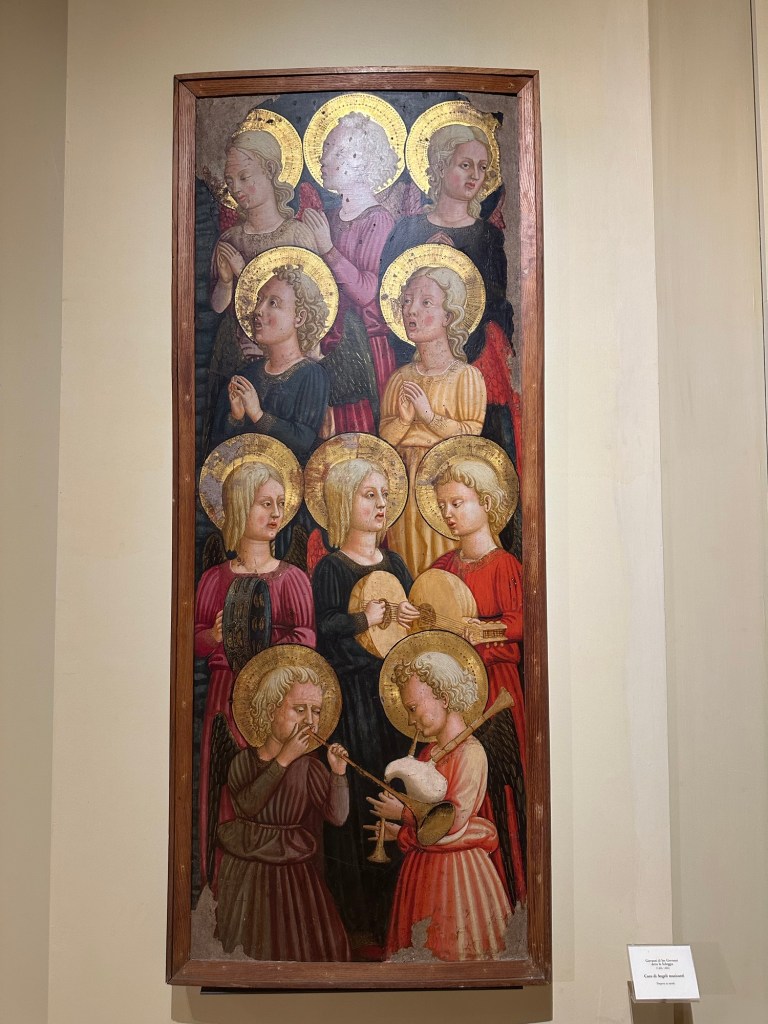
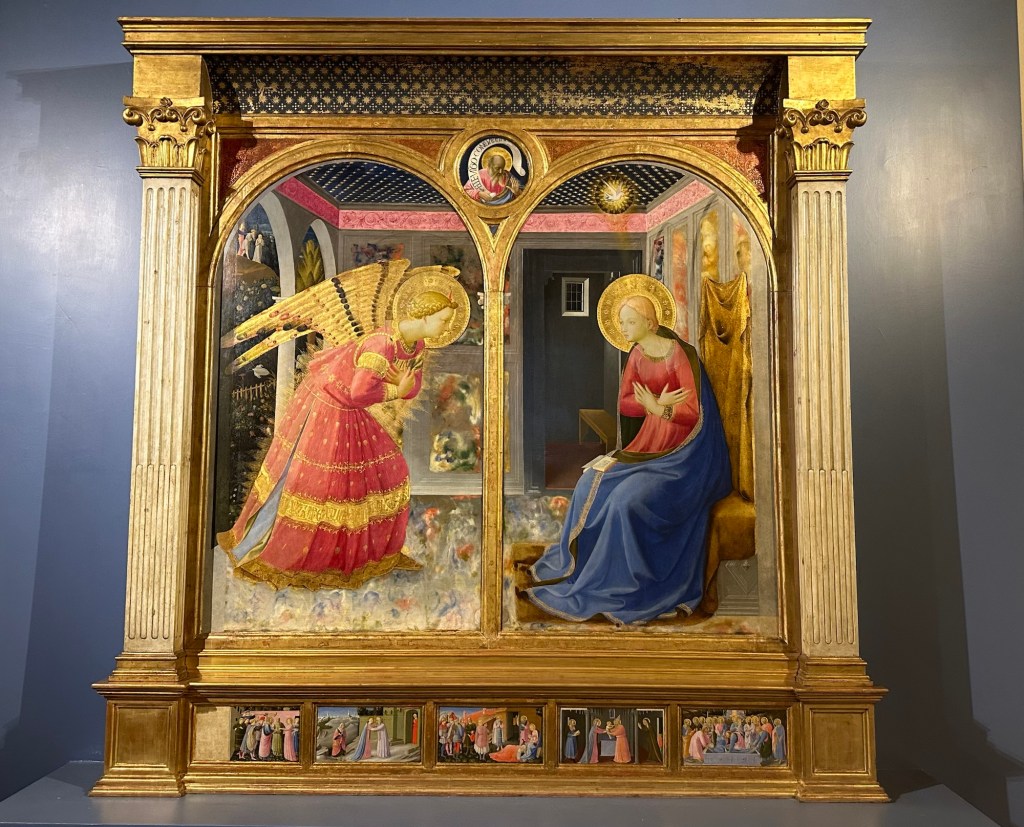
My next concert was on Sunday, October 27 in the enchanting town of San Giovanni Valdarno, located in the Arezzo province in Tuscany. Thanks to the fantastic autostrada, the drive from Bologna was rather quick and I arrived at hotel Michelangelo in the early evening which gave me an opportunity to rest up before the next concert day. On Sunday morning I visited the town and went to a small museum which houses one of the masterpieces of the renaissance – Fra Angelico’s Annunciation. The museum is located on the same piazza as the church where my concert will take place just a few hours later, and I found myself completely alone there! It was so inspiring to take time and look at the breathtaking artworks and much of that time was spent in the room with the Annunciation. It was the most memorable museum visit I have ever experienced.
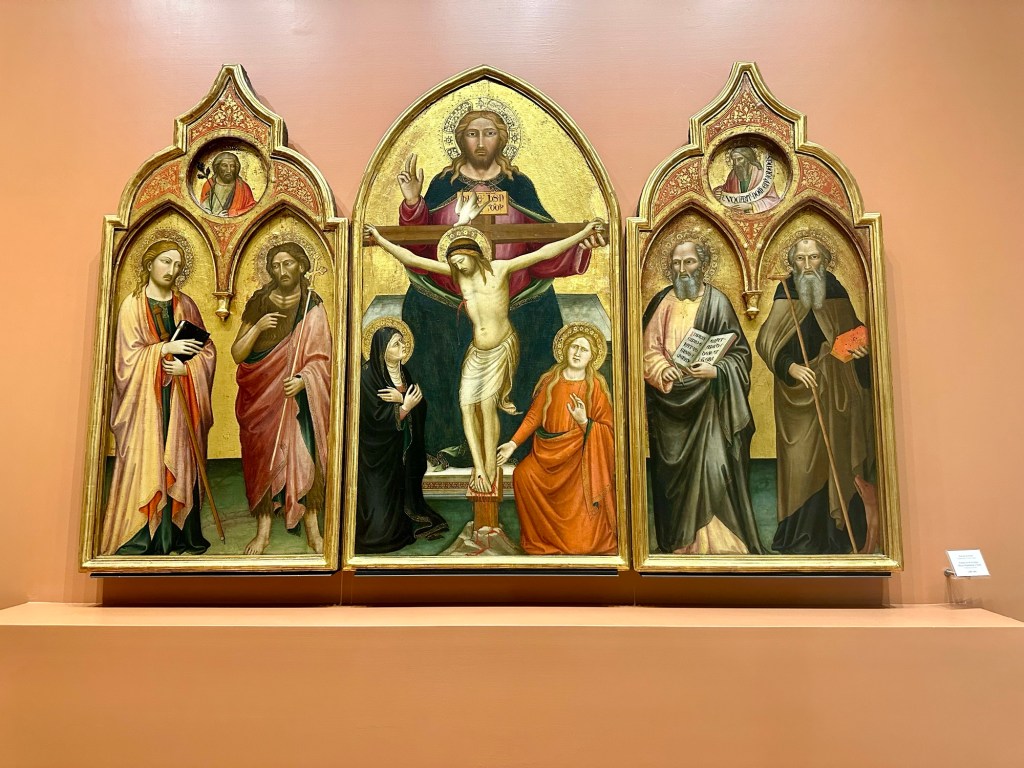
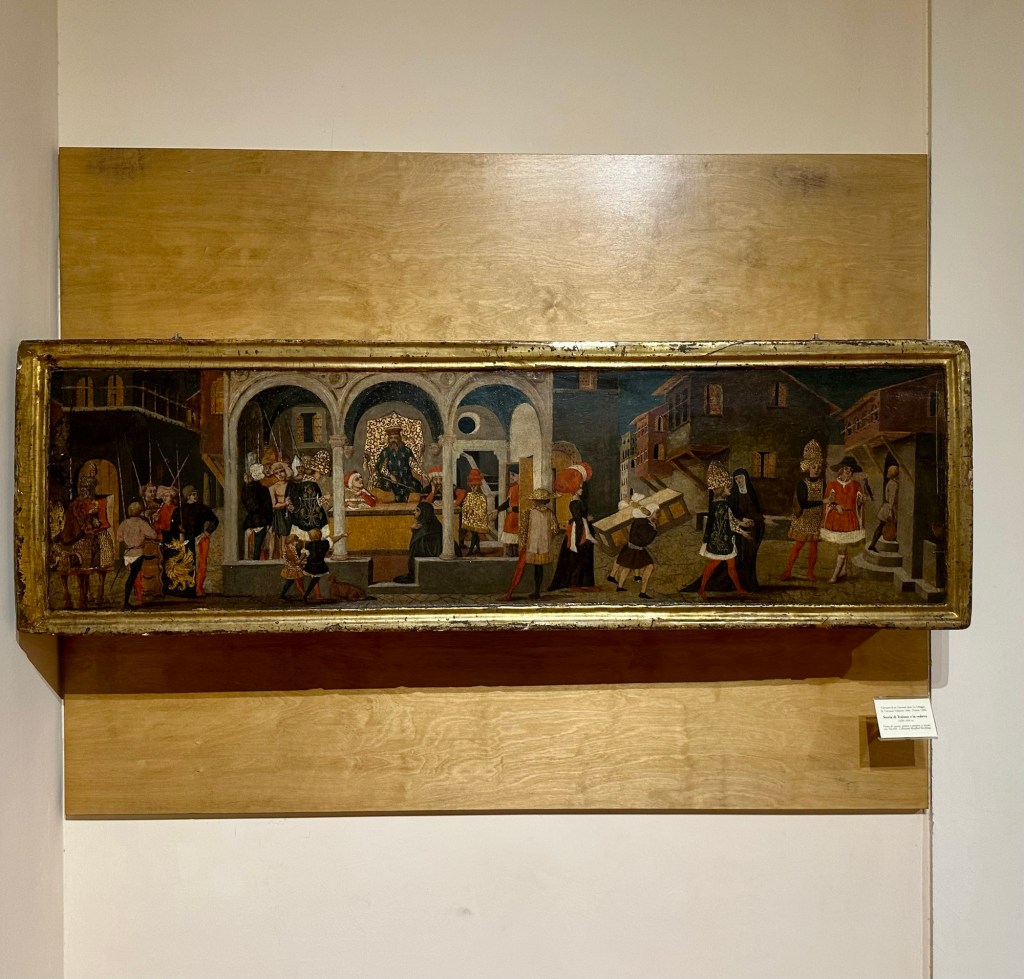

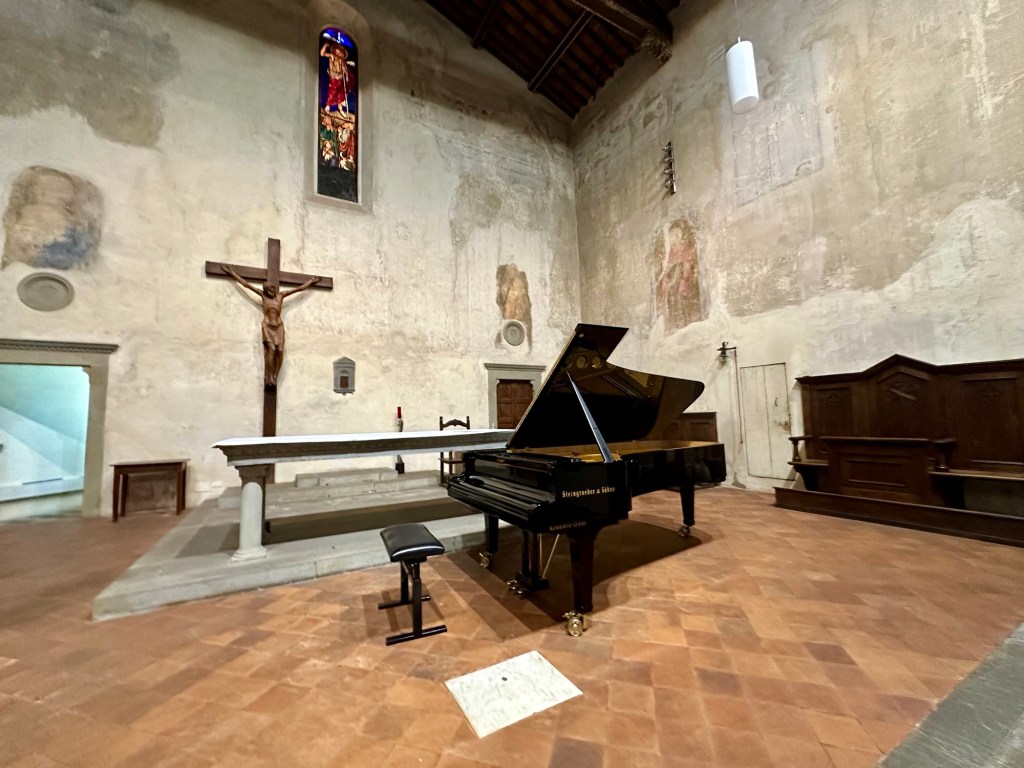
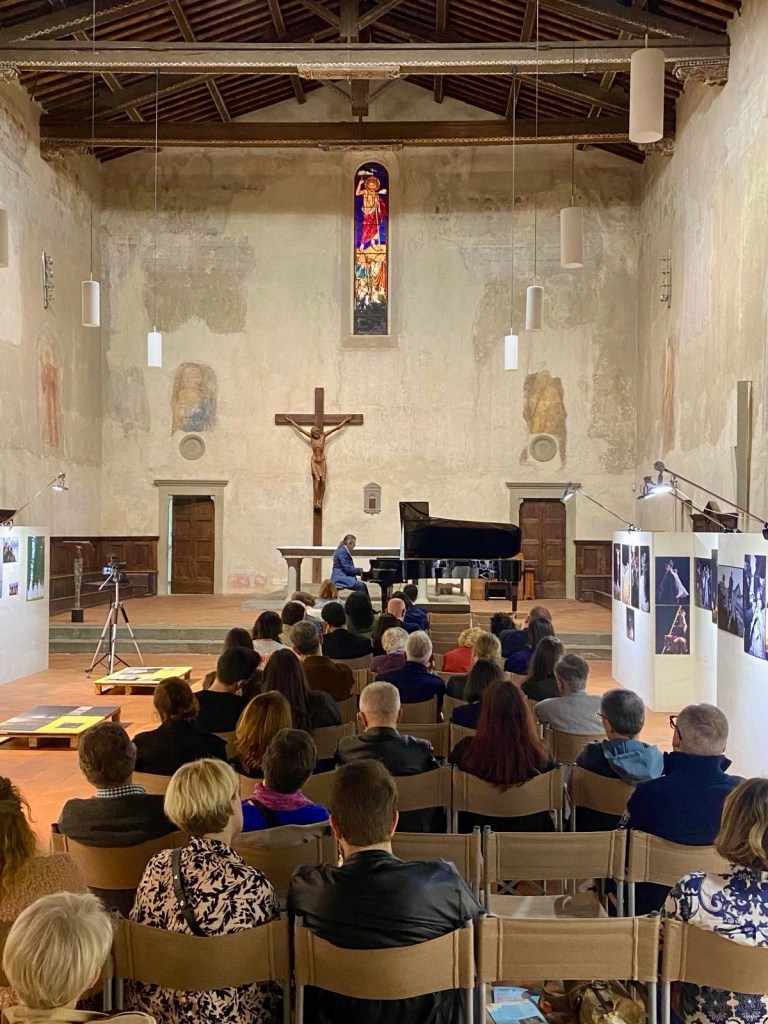
The concert took place at the Pieve di San Giovanni Batista, where there was also a photography exhibition.


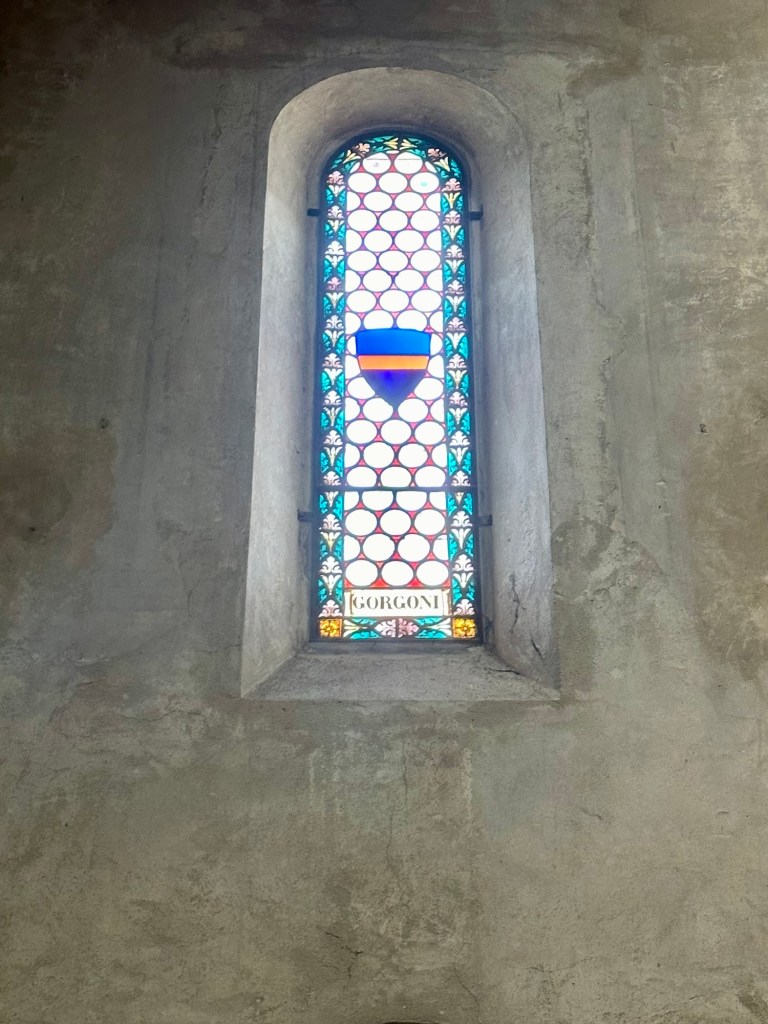
That afternoon there was also a local fair in that same piazza with a carousel for the children and a festive atmosphere.
It was the first time that I have played on a Steingraeber & Söhne piano and I found it to be an incredible piano with magnificent sound both in the treble and bass registers and a very even and responsive action. Here are pictures and a video of Ravel’s Sonatine from that concert:


The following morning I headed to the local high school – Licei Giovanni da San Giovanni Valdarno, to play a concert for the students. I was so impressed by the care which the teachers took to organize this event, with a welcome sign in English and the American and Italian flags. The school has two grand pianos and an upright! They surely take music very seriously. I found the students very respectful and receptive and spoke to them about the works on the program. It was a lovely experience and a great ending for these concerts.

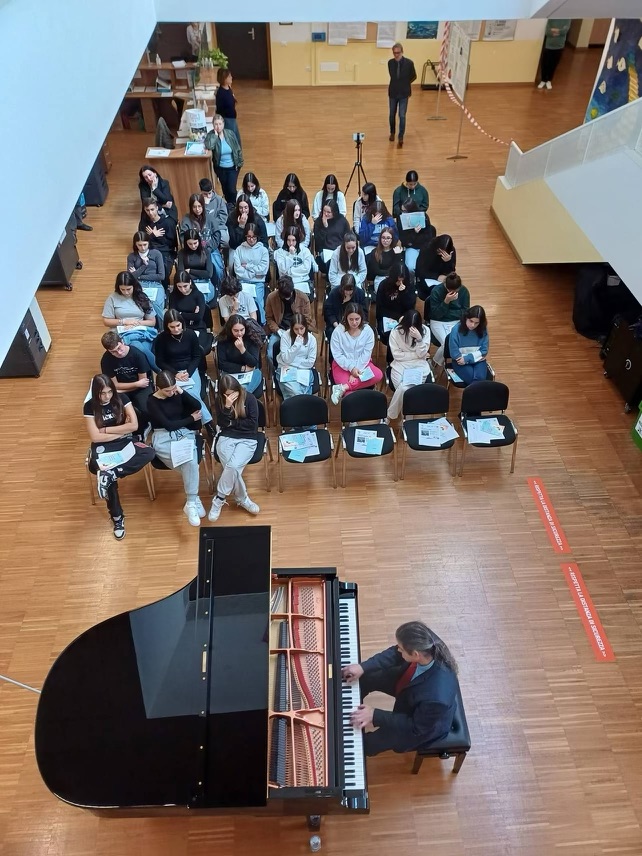
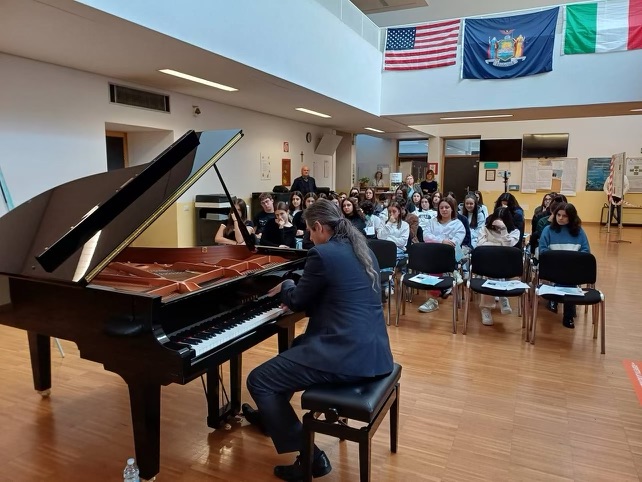
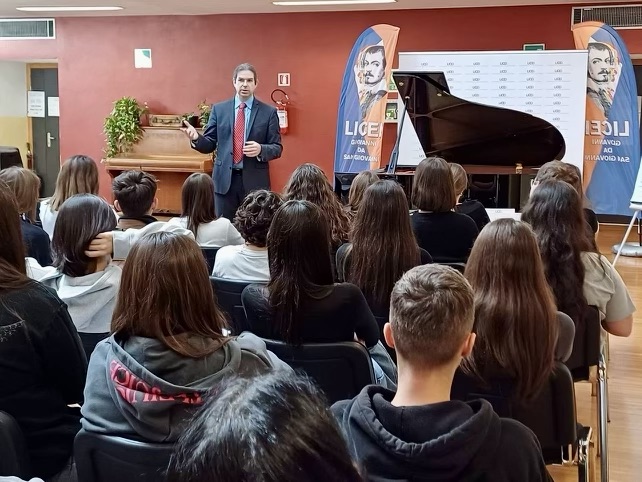
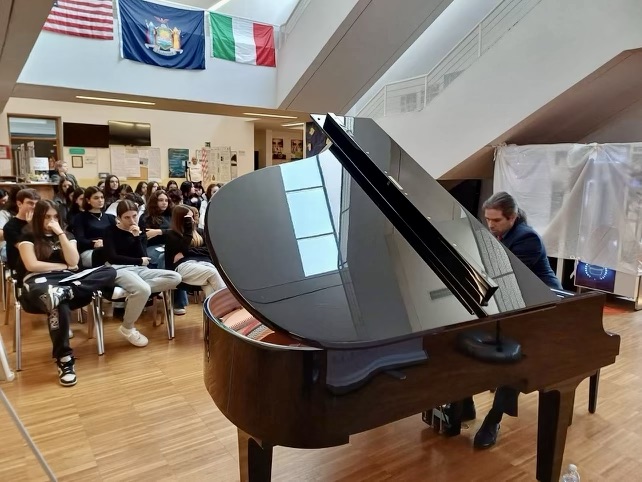
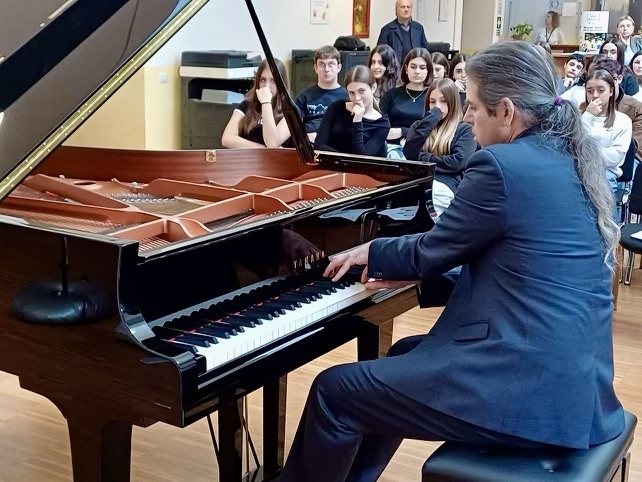
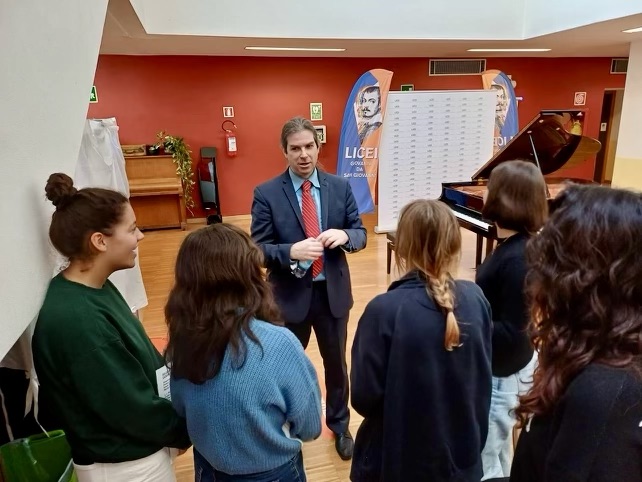
I chose to start the program with Bach’s Sheep May Safely Graze and you can hear how the atrium of the school gradually gets quieter as the music goes on.
After the concert, it made sense to spend the last afternoon of the trip in Arezzo. Following a spectacular drive through the green Tuscan hills, with olive groves and Pines of Rome all around, I arrived at Arezzo and went to visit two churches that hold marvelous works of art. The first is the Basilica of San Domenico which has many historical frescos and paintings, and most notably the wooden cross made by Cimabue around 1267-71.


The second church, the Basilica of San Francesco is huge and contains so much art that one needs many hours to be able to take it all in. It is most famous for the Frescos by Piero della Francesca depicting the Legend of the True Cross from 1452-66.


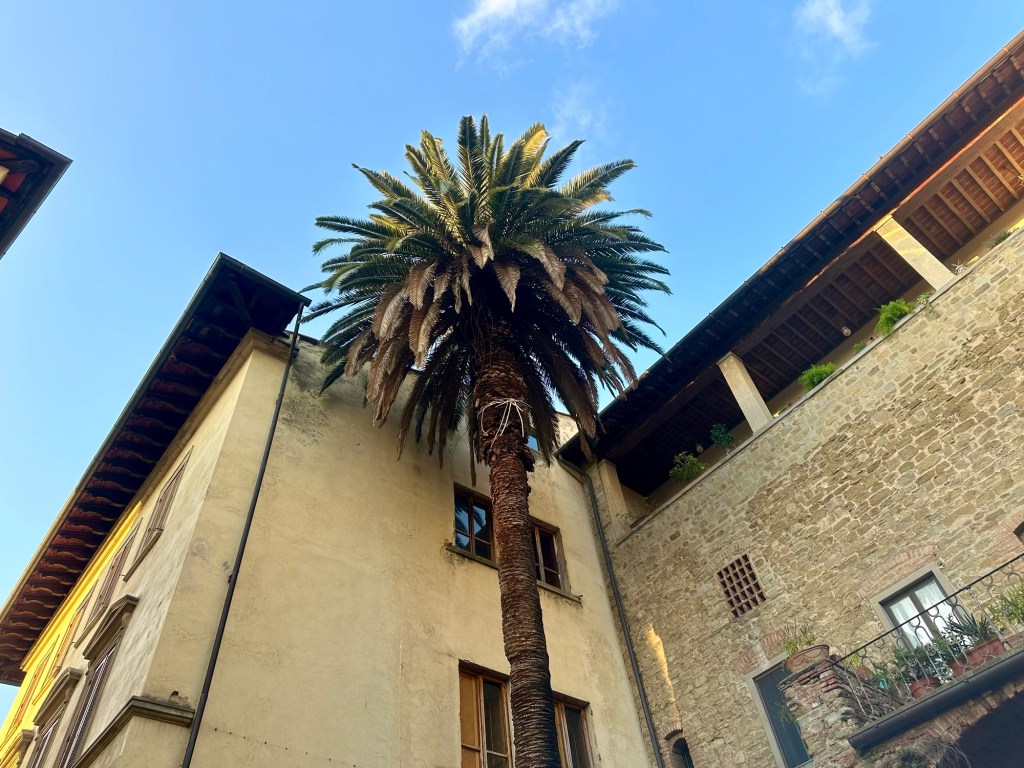

Throughout my whole trip, one constant was the great coffee everywhere. Whether it was an espresso (most of the time), a cappuccino (at the hotel’s breakfast) or the caffé Napolitano with hazelnut cream I had near the Duomo in Milan, it was always wonderful. After seeing all the artwork in Arezzo I went for a walk around the old town and along a delightful pedestrian street called Corso Italia, where I sat for another cup of coffee and a chocolate pastry.
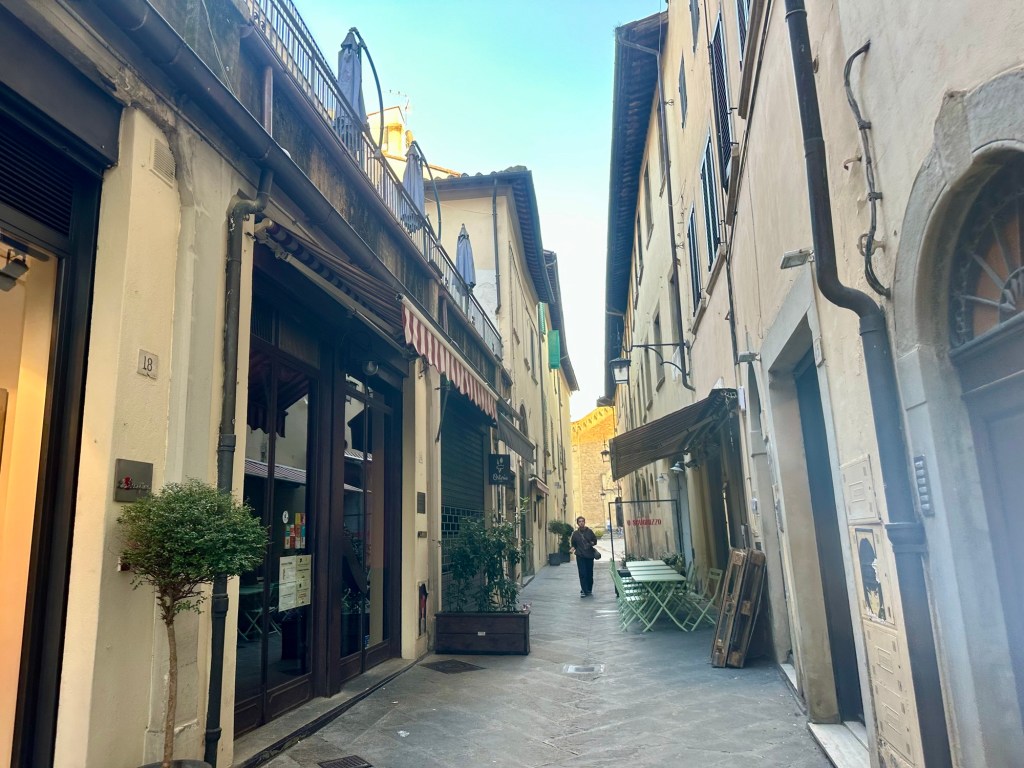
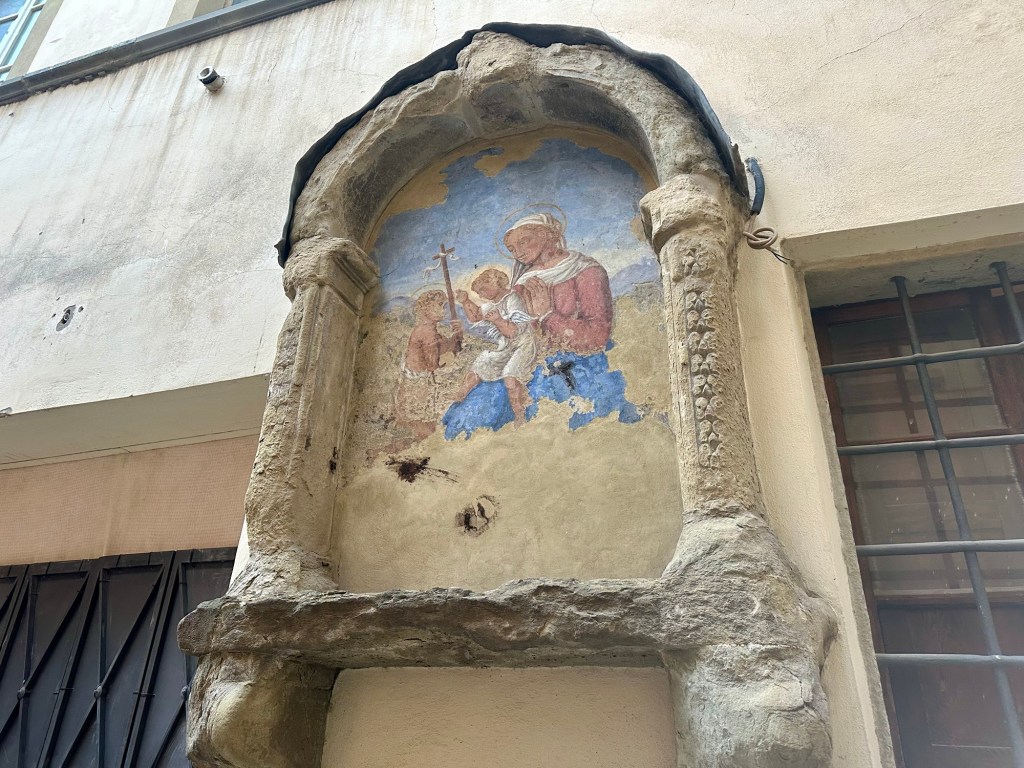
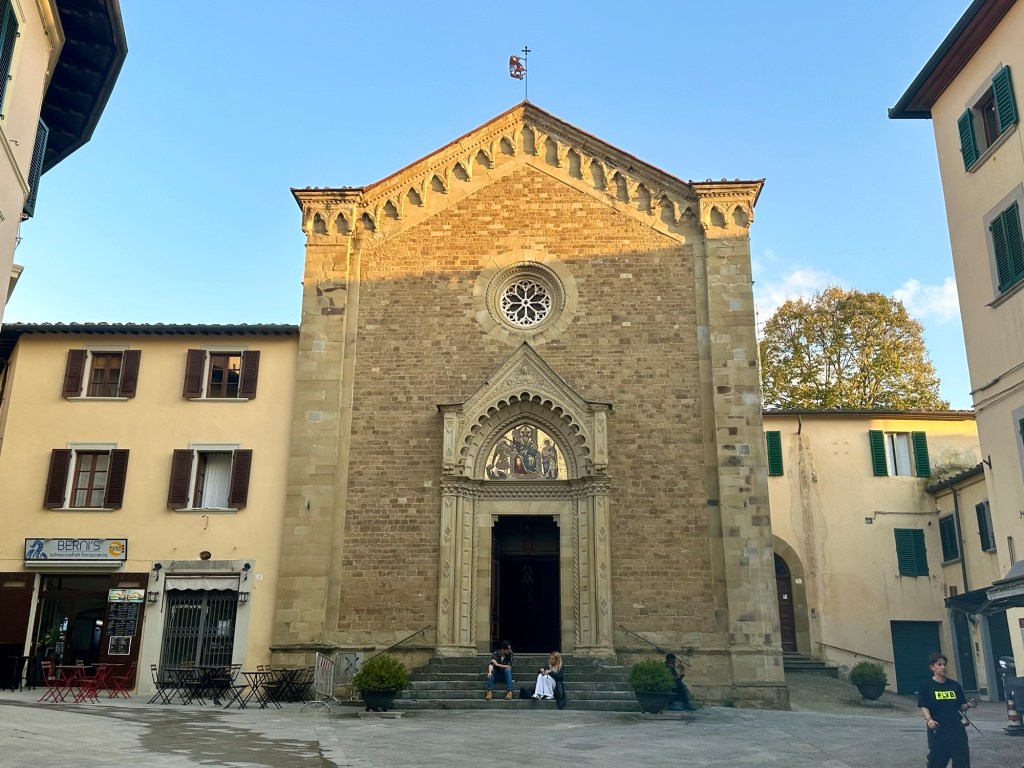
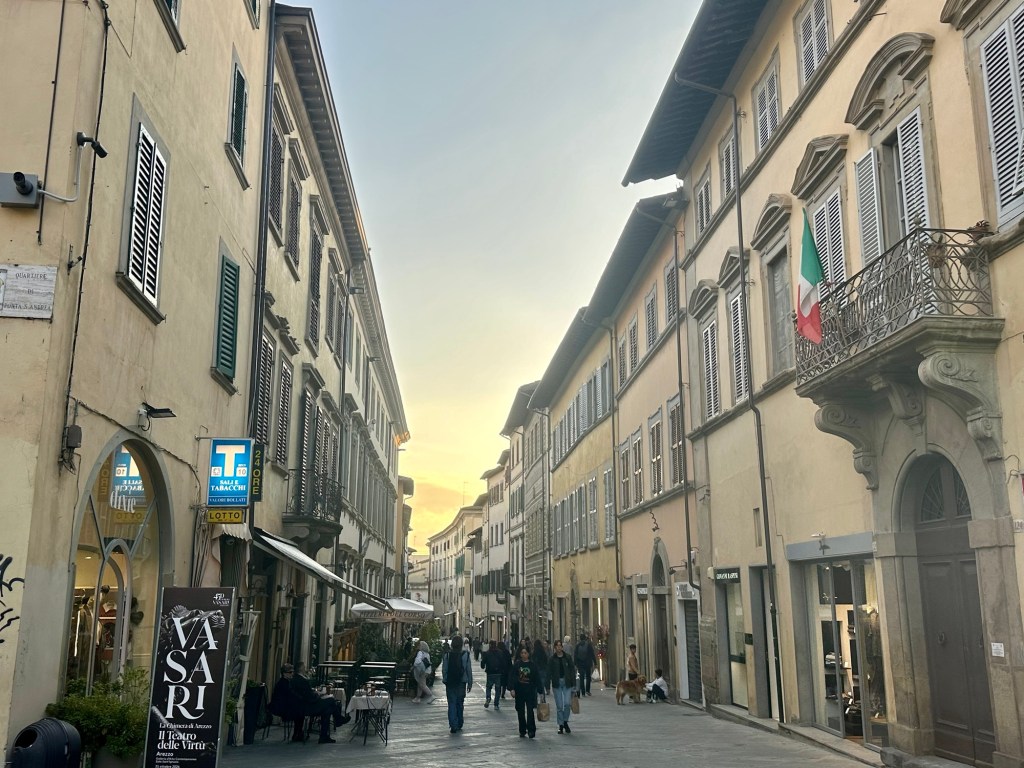
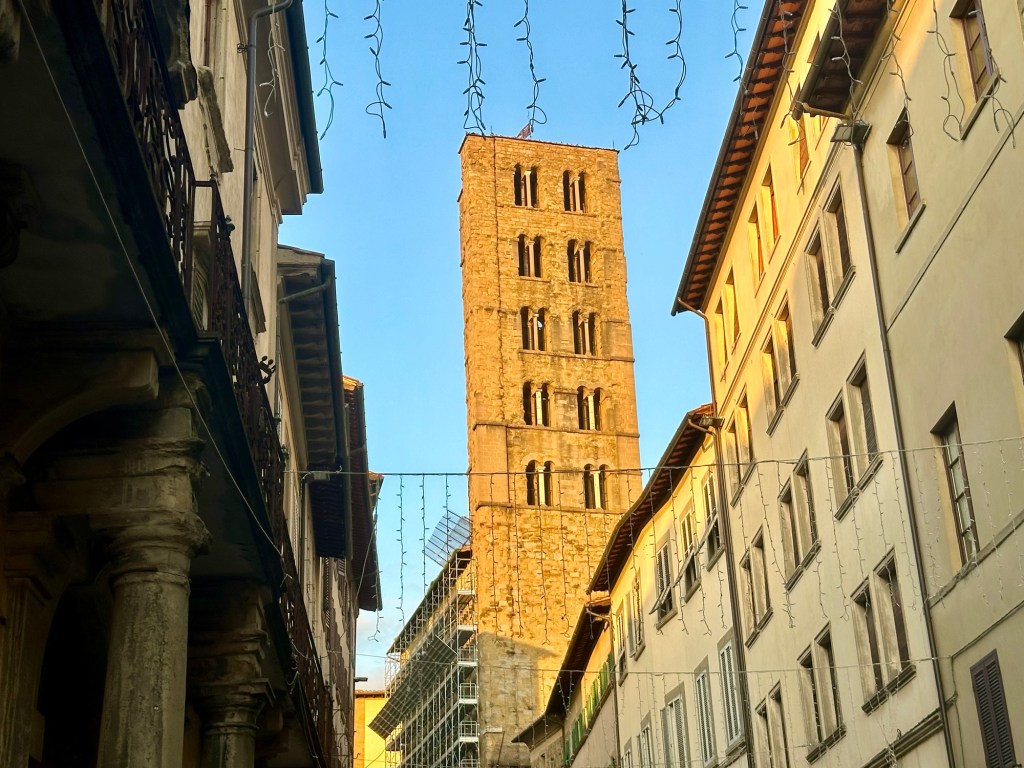
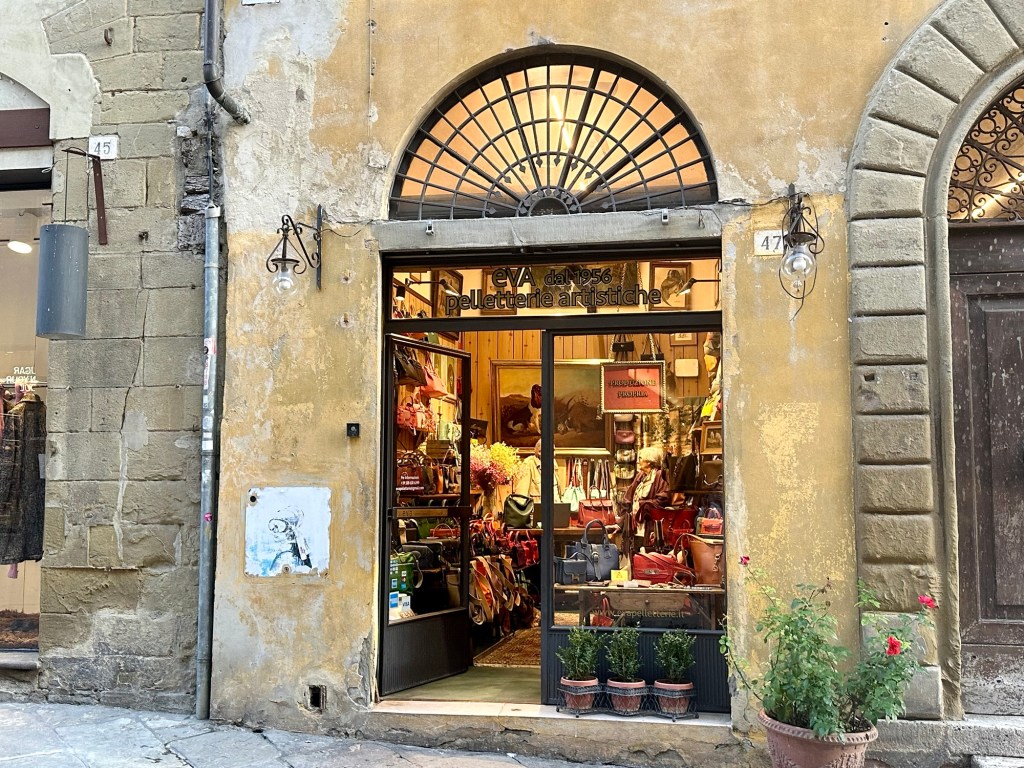

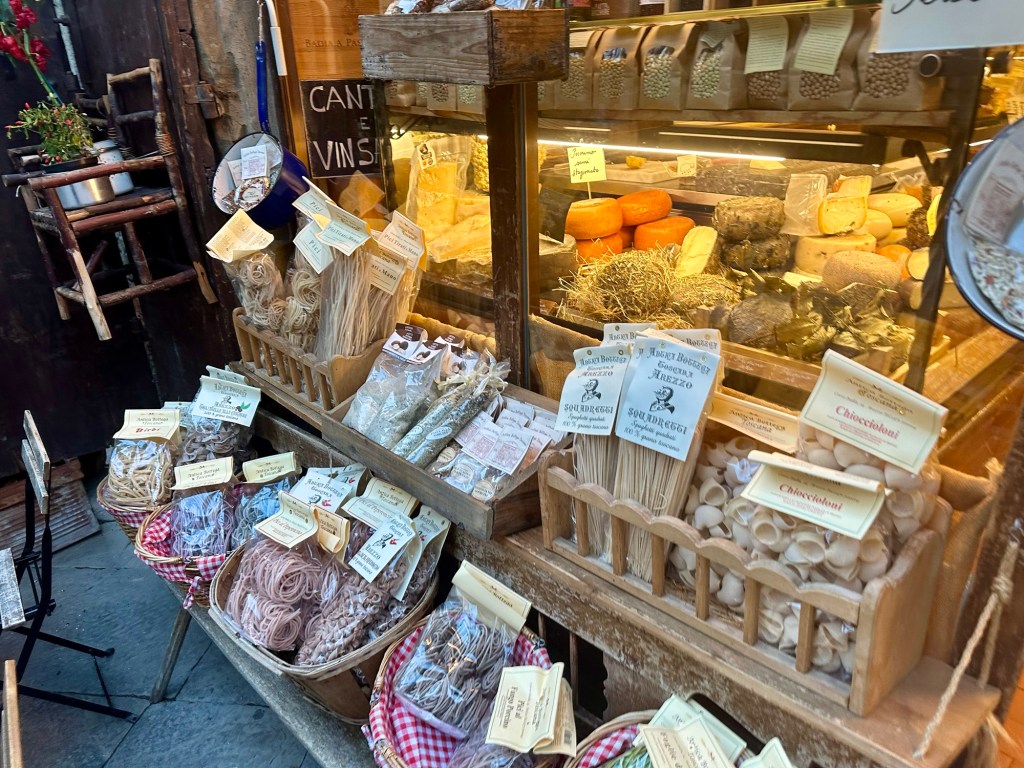
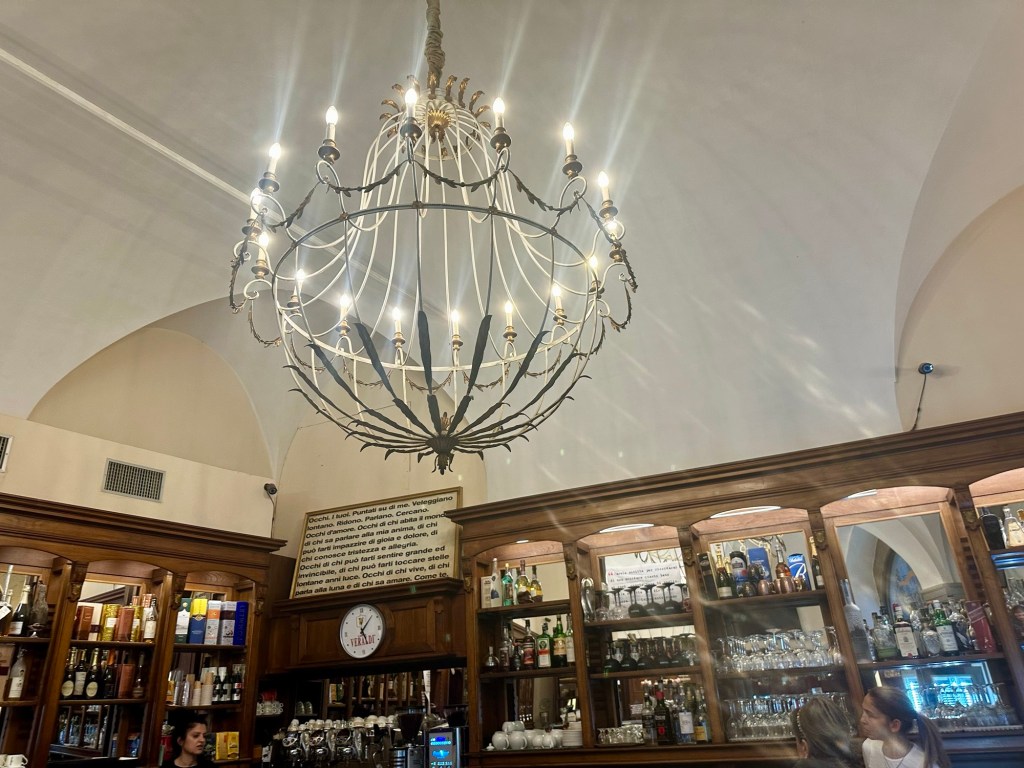
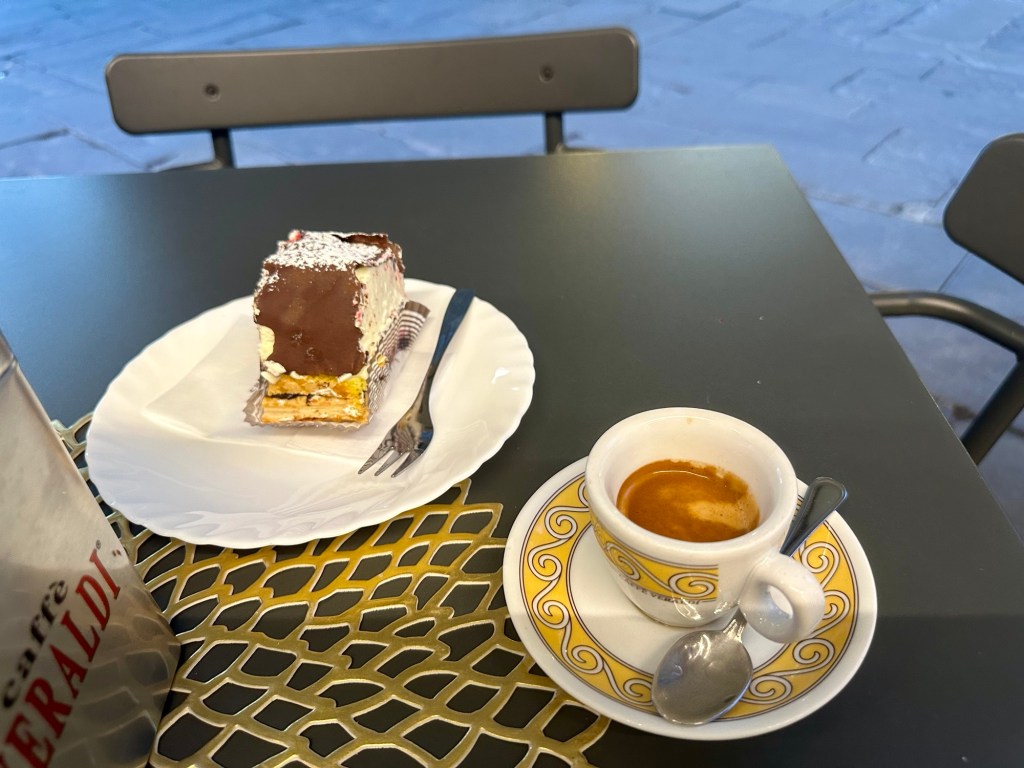


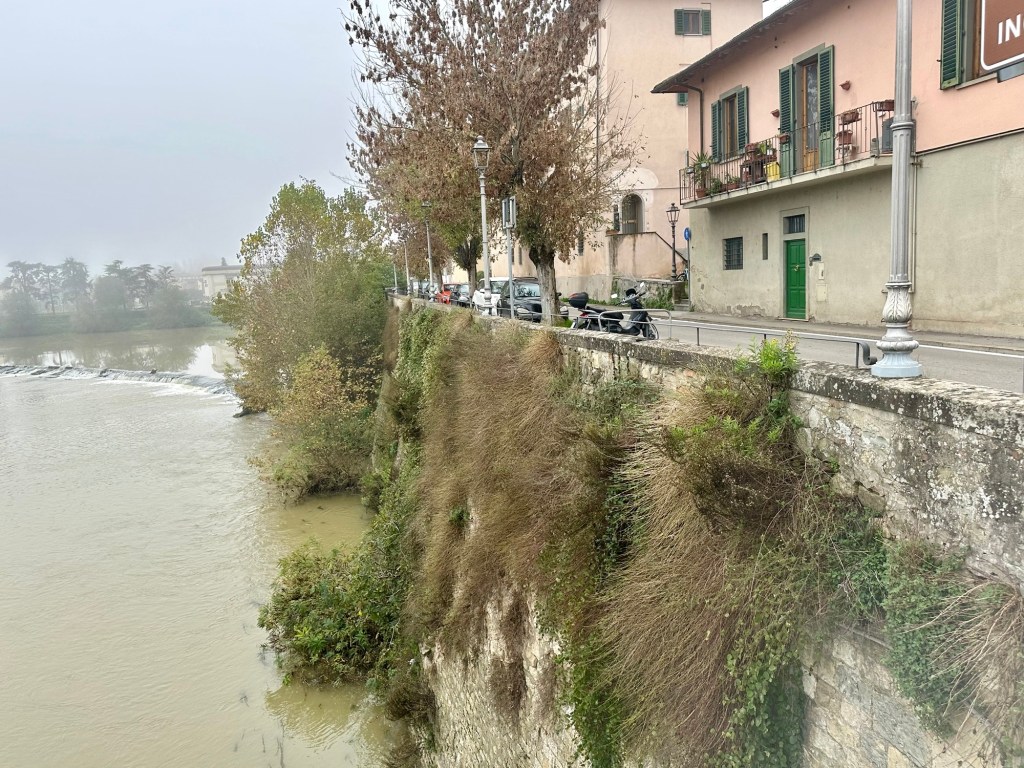
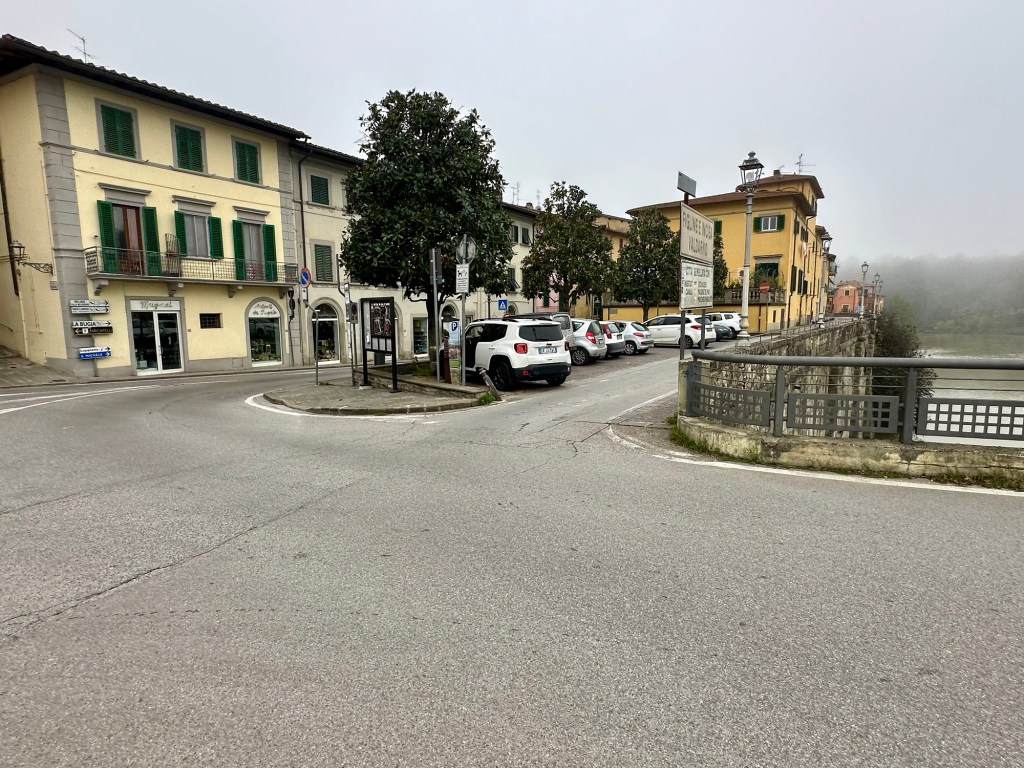
The next morning I was already packed and ready to head to the Florence airport. I took the long, scenic route to see a bit more of the beauty of Tuscany. I came to a wide crossing of the Arno river (Valdarno – valley of the Arno), saw a bit of Florence and arrived at the airport. Arrivederci Italia!



 Itay Goren